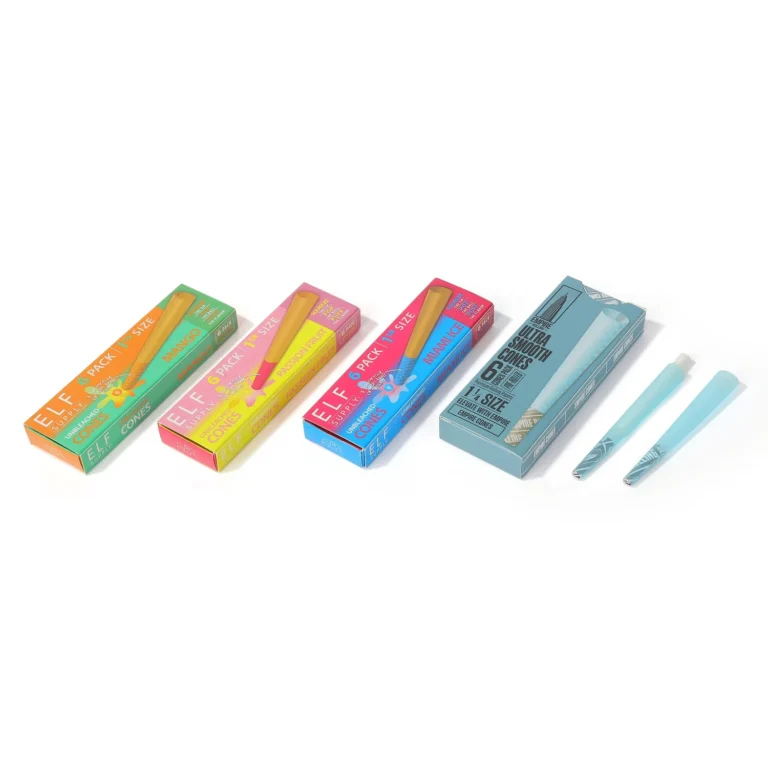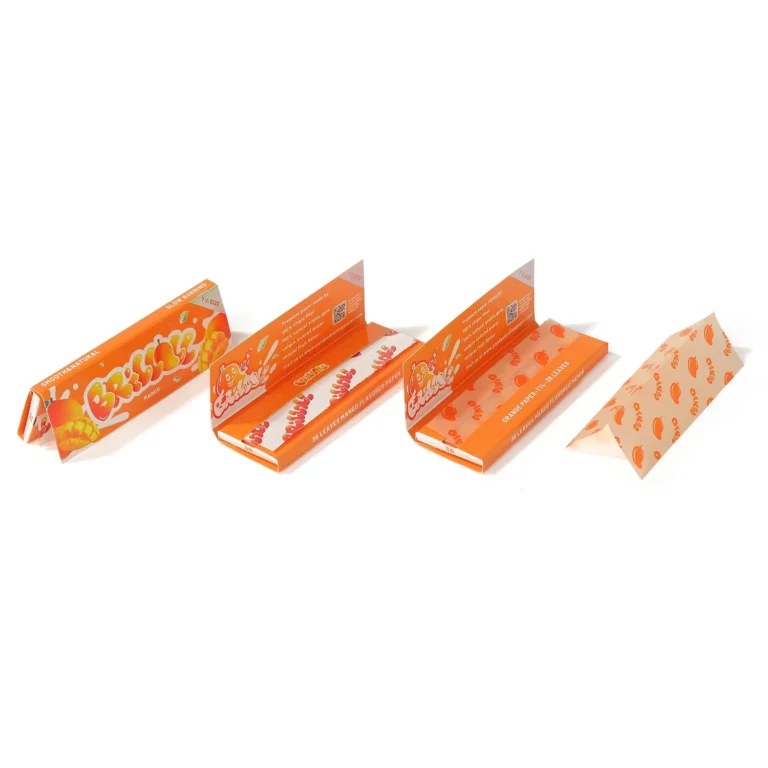

Solicite un kit basado en un brief B2B escrito, no en un mensaje vago de “muestras gratis”. Debe ayudarle a elegir fibra, GSM, tamaño, goma, puntas, geometría del cono, impresión y empaque. Luego apruebe y conserve una muestra lista para producción antes de que comience la fabricación a granel.
¿Qué debe demostrar un kit de muestras B2B?
Un kit de muestras profesional es un sistema de decisión. Su trabajo es reducir el riesgo de especificación antes de que un comprador se comprometa con herramientas, arte, MOQ, flete e inventario.
A diferencia de un surtido para consumidores, un kit B2B necesita etiquetas, construcciones comparables y un camino desde muestras exploratorias hasta el producto exacto destinado a la producción en masa. Debe separar lo que es meramente ilustrativo de lo que puede convertirse en el estándar de aprobación contractual.
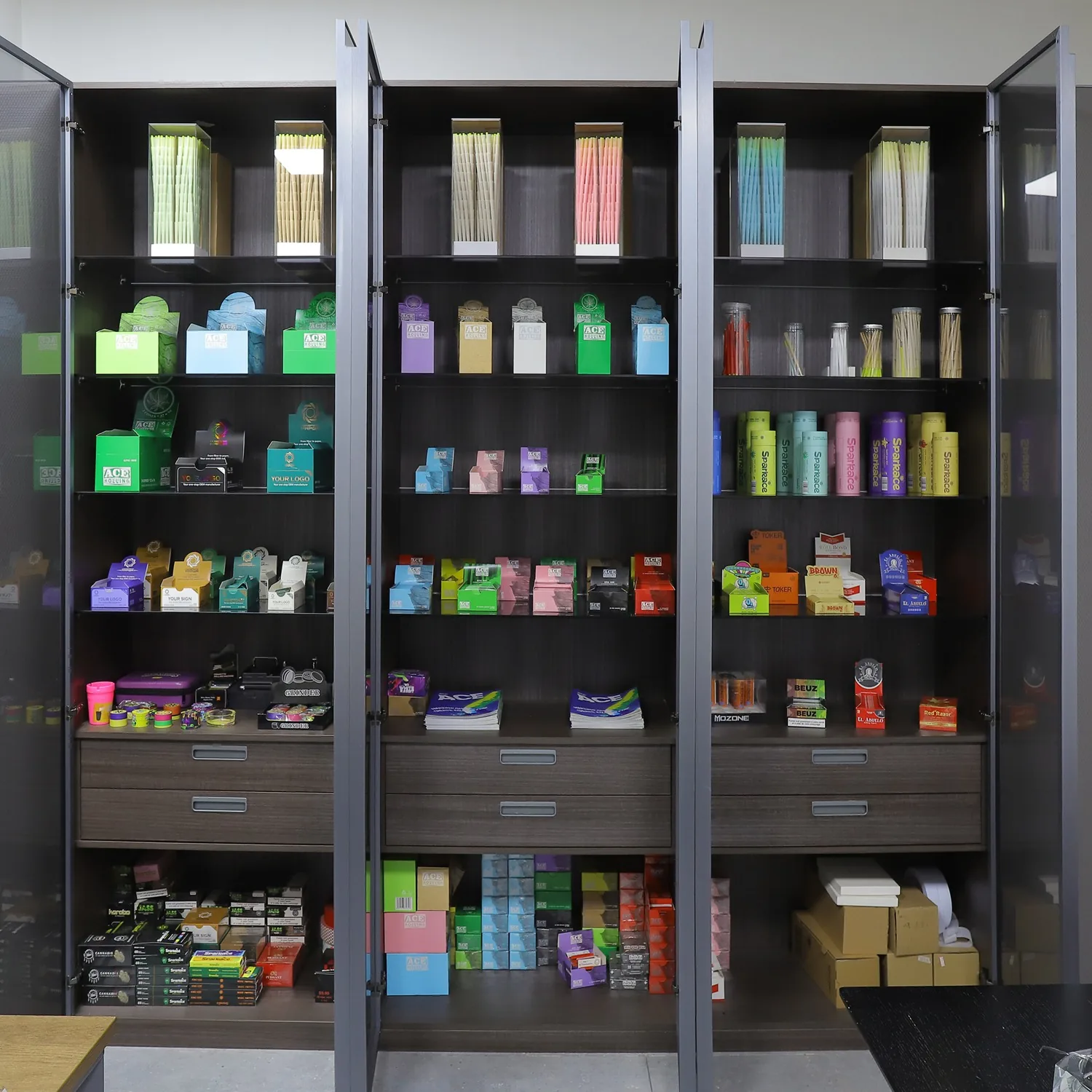
Pida a Ace Rolling que marque cada artículo con material, objetivo de GSM o peso donde corresponda, dimensiones, goma, punta, estado de impresión y propósito de la muestra. Un ejemplo de existencias puede demostrar la sensación o estructura del paquete, pero no puede probar su arte final o lote a granel. Comience con el programa personalizado de papel de liar y establezca la decisión comercial que cada muestra debe respaldar.
| Capa del kit | Pregunta principal | Contenidos útiles | Aún no aprobado |
|---|---|---|---|
| Orientación | ¿Qué es posible? | Surrido amplio de existencias | Construcción final |
| Comparación | ¿Qué ruta gana? | Fibras y tamaños emparejados | Impresión final |
| Intención de producción | ¿Es este el producto? | Papel exacto, goma, impresión, empaque | Lote a granel |
| Aprobación de lote | ¿Coincidió la masa? | Muestras extraídas de la producción | Pedidos futuros |
Conclusión clave: Un kit B2B debe llevar al comprador de una comparación amplia a una aprobación trazable y lista para producción.
¿Qué muestras de fibra y especificaciones de papel pertenecen al interior?
La sección de papel debe permitir a los compradores comparar materiales sin adivinar qué variable cambió. Incluya direcciones relevantes de cáñamo, estilo arroz, bambú, lino o pulpa de madera que el OEM pueda discutir para el formato objetivo.
Cada muestra necesita un identificador y, cuando esté disponible, descripción de la fibra, objetivo de GSM, color, estado de engomado, estado de impresión y formato previsto. La fibra y el GSM van juntos porque dos papeles del mismo peso pueden sentirse y funcionar de manera diferente.

Solicite suficiente material para manejar, doblar, rasgar, engomar y realizar una prueba de uso controlado. No elija únicamente a partir de una fotografía o un adjetivo de sostenibilidad. El abastecimiento certificado FSC puede discutirse como una opción cuando sea aplicable, pero no es una característica predeterminada de cada papel. Utilice el información de calidad y certificaciones para solicitar documentos de la construcción exacta preseleccionada.
| Campo de etiqueta de muestra | Por qué se necesita | Ejemplo de decisión | Evidencia de aprobación |
|---|---|---|---|
| Fibra/mezcla | Define la ruta del material | Cáñamo versus estilo arroz | Especificación del proveedor |
| Objetivo de GSM | Define el peso del área | 14 frente a 18 GSM | Método y tolerancia |
| Goma | Afecta el sellado | Opción de goma arábiga | Prueba de tira terminada |
| Color/opacity | Affects shelf and print | White versus unbleached | Conditioned sample |
| Document status | Controls claims | FSC option if applicable | SKU-level records |
Conclusión clave: Require labeled fiber-and-GSM swatches so a winning feel can be converted into a reproducible purchasing specification.
Which Sizes, Tips, and Cone Fills Should Be Included?
Dimensions change usability and machinery fit, so the kit must represent the sizes the buyer may actually sell or fill. A king-size booklet does not validate a 1¼ booklet, and an empty cone alone does not validate a filling workflow.
For booklets, compare leaf dimensions, count, gum width, interleaving, optional tips, and closed pack size. For cones, include relevant lengths, tip dimensions, seam construction, empty examples, and filled test units prepared to a stated fill weight and density.
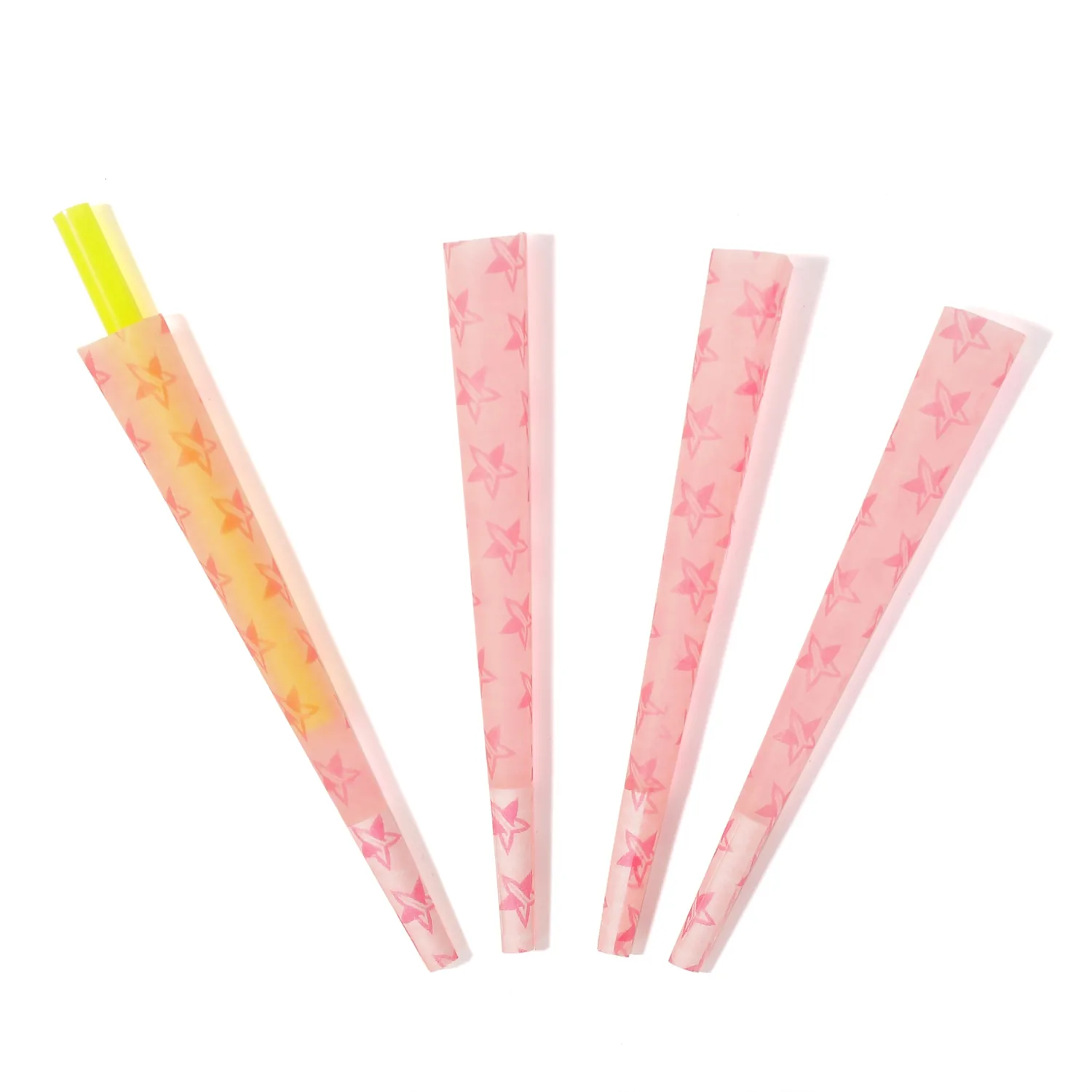
If automated filling is planned, provide machine model, target throughput, fill characteristics, and packing method. Test collapse, nesting, loading, fill consistency, and finished pack-out. Ace Rolling’s pre-rolled cone options can be narrowed around the buyer’s intended length and tip geometry.
| Ejemplo de formato | Variables to label | Prueba | Pass condition |
|---|---|---|---|
| Booklet leaf | Size, count, gum, GSM | Roll and seal | Repeatable handling |
| Tip sheet | Stock and dimensions | Fold or roll | Desired rigidity |
| Empty cone | Length, tip, seam | Inspect and load | Fits process |
| Filled cone | Peso de llenado y densidad | Handling/use test | Repeatable result |
| Retail pack | Unit count and structure | Transit simulation | No crushing or movement |
Conclusión clave: Sample the real selling and filling format; flat paper alone cannot approve cone geometry, tips, or pack-out.
How Should Print Proofs and Packaging Samples Work?
Artwork approval has layers. A digital mockup checks layout, a printed color proof checks reproduction, and a physical pack checks dielines, folds, finishes, closure, readability, and shelf presence.
The kit should distinguish paper printing from booklet-cover and display-carton printing. Ink appearance changes with substrate color, opacity, coating, and finish. A screen image cannot prove how small legal copy, spot colors, embossing, foil, or spot UV will survive conversion.

Use versioned filenames, identify Pantone or other color targets where needed, and sign both the artwork proof and assembled physical sample. Keep required warnings, country-of-origin wording, and claims subject to destination-market review. Ace Rolling’s custom packaging route can coordinate paper, booklet, and display presentation under one controlled brief.
| Proof type | Proves | Does not prove | Approval record |
|---|---|---|---|
| Digital mockup | Layout and content | Physical color | Versioned PDF |
| Printed flat proof | Color and detail | Folding durability | Signed sheet |
| White dummy | Structure and dimensions | Impresión final | Dimension check |
| Assembled sample | Full look and function | Entire mass lot | Signed retain |
| Cartón de exhibición | Shelf pack-out | Freight performance alone | Pack test |
Conclusión clave: Approve digital, printed, and assembled outputs separately because each catches a different class of bulk-order error.
What Testing Record Should Travel With the Kit?
Samples become useful procurement evidence only when tests are repeatable. Create a scorecard before opening the kit so brand preference does not erase operational results.
Record handling, tear resistance, gum activation, seal hold, print rub, paper presence, relights, side-burn tendency, ash, cone seam, fill fit, and packaging strength as relevant. Use the same fill, weight, grind, humidity, conditioning time, and testers for comparisons.
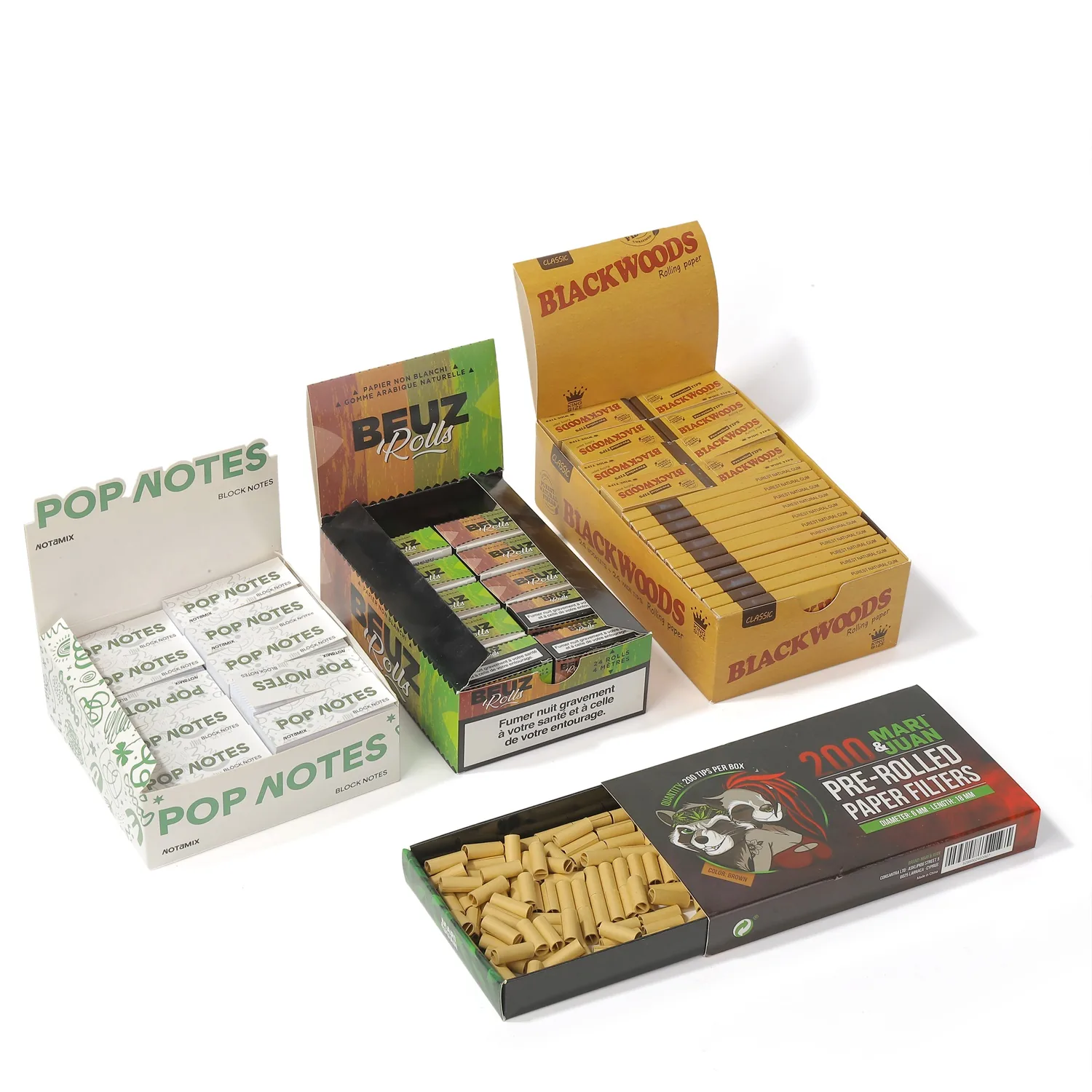
Photograph failures, note sample IDs, and avoid absolute performance language based on a few trials. A passing score means “meets this buyer’s recorded brief under these conditions,” not a medical, safety, or universal burn claim. Ask Ace Rolling’s OEM team to answer exceptions in writing before the next sample round.
| Test area | Controlled input | Observation | Decisión |
|---|---|---|---|
| Manejo | Same users and humidity | Tears, folds, grip | Pass/revise |
| Goma | Same activation method | Seal and residue | Pass/revise |
| Quemar | Same fill and density | Relights, side burn | Compare only |
| Imprimir | Same rub and light review | Smear, readability | Pass/revise |
| Embalaje | Same load and drop plan | Crush or opening | Pass/revise |
Conclusión clave: A labeled scorecard turns subjective samples into a clear approve, revise, or reject decision.
How Does the Retain-Sample Process Protect Bulk Orders?
The most valuable item in the sample process is the signed production-intent retain. It freezes what “approved” means when mass production starts and when the brand reorders months later.
Create at least two matched retains: one held by the buyer and one held by the factory. Mark product code, material, GSM, gum, size, print version, packaging version, approval date, approver, and sample lot. Seal and store them in appropriate conditions.

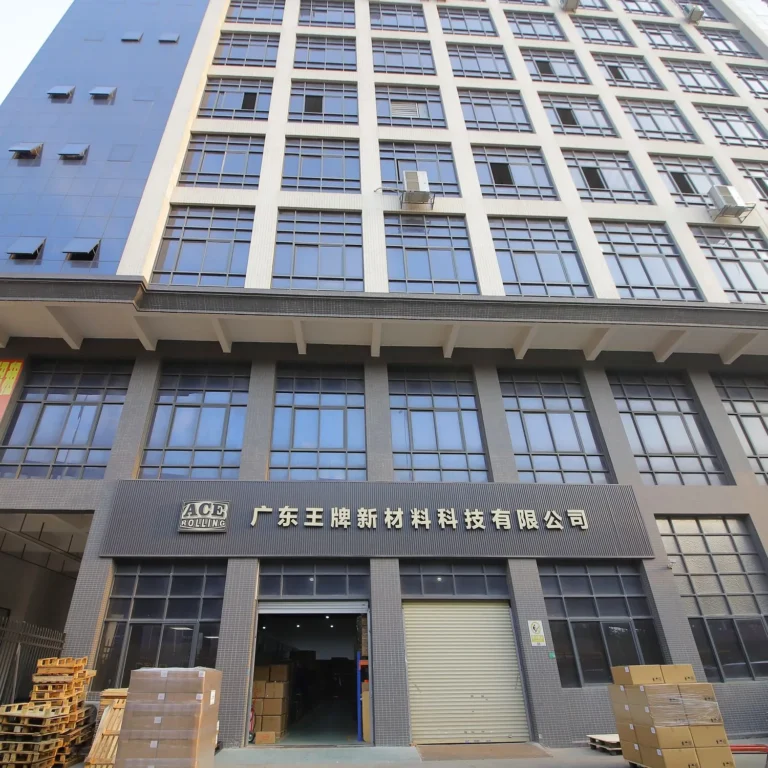
The QC plan should say which bulk attributes are measured numerically and which are compared visually or functionally to the retain. Any paper, gum, ink, tip, dieline, or supplier change should trigger written notice and, when material, reapproval. Review the process with Ace Rolling’s Dongguan factory.
| Retain control | Buyer copy | Factory copy | Reapproval trigger |
|---|---|---|---|
| Finished booklet/cone | Sí | Sí | Material or construction change |
| Paquete impreso | Sí | Sí | Artwork, color, or finish change |
| Signed specification | Sí | Sí | Revision to any controlled field |
| Test scorecard | Sí | Sí | Changed test method |
| Lot identifier | Sí | Sí | New production investigation |
Conclusión clave: Keep matched, signed retains with change-control rules so the approved sample remains enforceable during production and reorder review.
What Timeline and Request Brief Gets the Right Kit?
A fast sample request begins with a precise commercial brief: buyer type, market, formats, sizes, fibers, GSM range, gum, print scope, packaging, quantity forecast, destination, required documents, testing priorities, and launch date.
Ace Rolling samples before mass production. A private-label project is commonly planned around about two months from concept to delivery, while mass production after approvals often takes roughly four to five weeks, depending on complexity. Sample and revision time sits before that production release.

Do not bury the critical date or ask only for “anything you have.” Request an orientation kit, then identify the expected production-intent round and approval owners. Confirm current kit charges, shipping, lead time, and customs details rather than assuming every international sample is free. Start through Ace Rolling’s contact page.
| Request field | Ejemplo | Por qué es importante | Owner |
|---|---|---|---|
| Target SKU | 1¼ booklet or 109 mm cone | Focuses samples | Comprador |
| Material range | Two fibers, two GSMs | Enables comparison | Buyer/OEM |
| Etapa de arte | Draft or final | Selects proof type | Marca |
| Bulk forecast | Often from ~2,000 units | Tests commercial fit | Procurement |
| Destination/date | Country and launch | Frames freight and schedule | Logistics |
Conclusión clave: Send a complete brief and build revision time ahead of the four-to-five-week post-approval mass-production window.
Preguntas frecuentes
What should a custom rolling paper sample kit contain?
It should contain labeled fiber and GSM swatches, relevant booklet sizes, gum and tip options, empty and filled cone examples, print proofs, packaging structures, specification sheets, and a test scorecard. The final stage should add matched, signed production-intent retains held by both buyer and factory before mass production begins.
Is a stock sample kit enough to approve a bulk order?
No. A stock kit is useful for orientation, material feel, size comparison, and package ideas, but it may use standard constructions and placeholder artwork. Bulk approval requires a production-intent sample made to the exact paper, gum, dimensions, print, tips, and packaging specification, supported by a signed retain and change control.
Why should a sample kit include filled cones?
Empty cones reveal geometry, seam, paper, and tip details, but filled cones test the intended workflow and finished handling. Label fill weight, density, material condition, and filling method. If machinery is involved, run samples on the planned equipment. This exposes collapse, loading, nesting, pack-out, and consistency issues before volume production.
How long does custom rolling paper production take after samples?
Ace Rolling commonly plans about two months from concept to delivery for private-label work, depending on scope. After all materials, artwork, samples, and packaging are approved, mass production often takes roughly four to five weeks. Revisions, shipping, destination customs, and complex finishes can change the total schedule, so confirm dates in writing.
Should the buyer and factory both keep approved samples?
Yes. Both parties should hold matched, signed retains labeled with product code, paper, GSM, gum, dimensions, print version, packaging version, approval date, and lot reference. The quality plan can then compare bulk output to the same physical standard. Material changes or meaningful deviations should trigger notice, investigation, and reapproval.
How do I request a sample kit from Ace Rolling?
Prepare your buyer type, destination, formats, sizes, fiber and GSM shortlist, gum, tips, cone fill needs, artwork stage, packaging, forecast quantity, documents, test priorities, and deadline. Then contacte a Ace Rolling to confirm kit contents, charges, shipping, current availability, production-intent sampling, MOQ, and approval schedule.