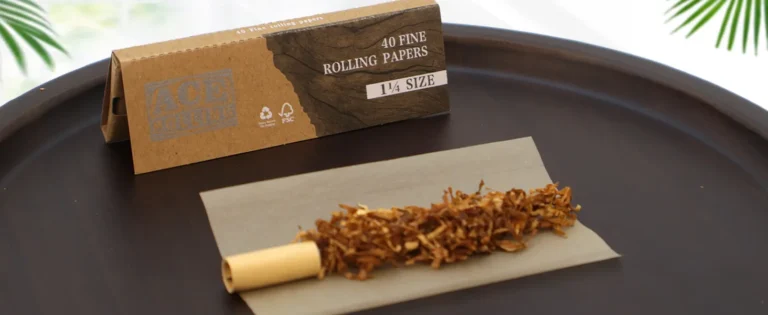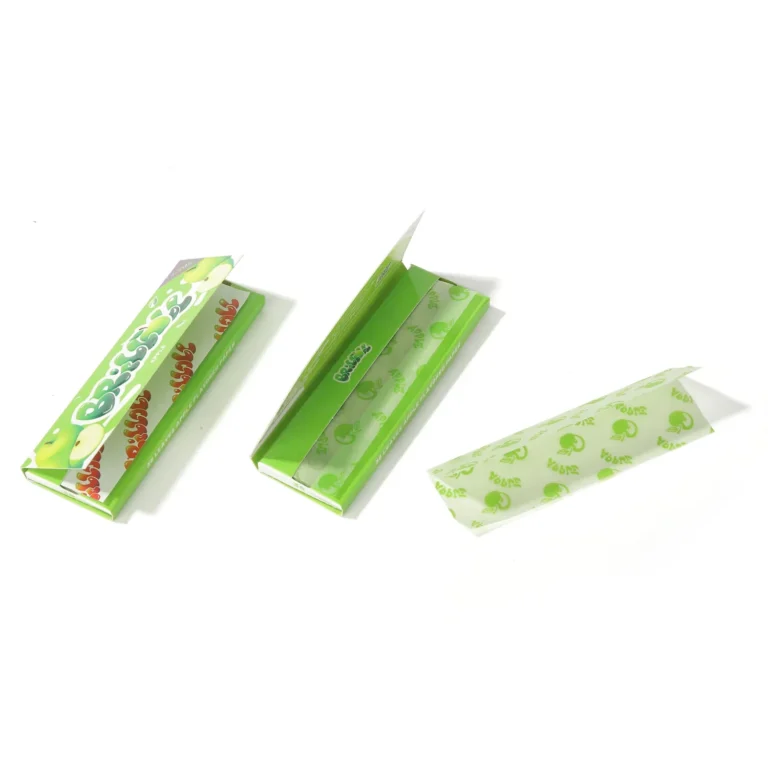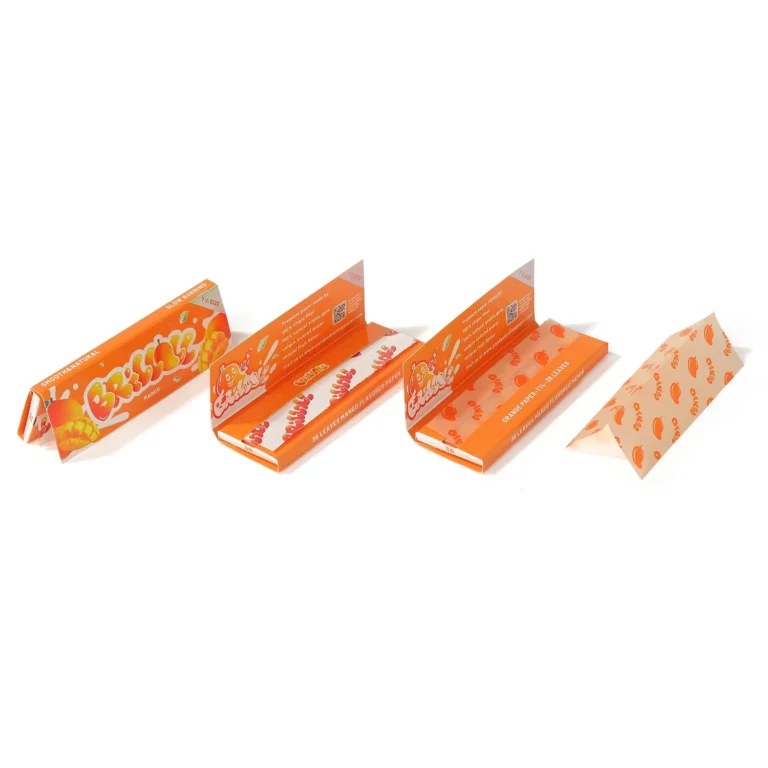

Minta kit berdasarkan ringkasan B2B tertulis, bukan pesan “sampel gratis” yang samar. Ini harus membantu Anda memilih serat, GSM, ukuran, perekat, ujung, geometri kerucut, cetak, dan kemasan. Kemudian setujui dan simpan sampel dengan niat produksi sebelum produksi massal dimulai.
Apa yang Harus Dibuktikan oleh Kit Sampel B2B?
Kit sampel profesional adalah sistem pengambilan keputusan. Tugasnya adalah mengurangi risiko spesifikasi sebelum pembeli berkomitmen pada perkakas, karya seni, MOQ, pengiriman, dan inventaris.
Berbeda dengan rangkaian konsumen, kit B2B memerlukan label, konstruksi yang sebanding, dan jalur dari sampel eksplorasi ke produk tepat yang dimaksudkan untuk produksi massal. Kit harus memisahkan apa yang hanya ilustratif dari apa yang dapat menjadi standar persetujuan kontrak.
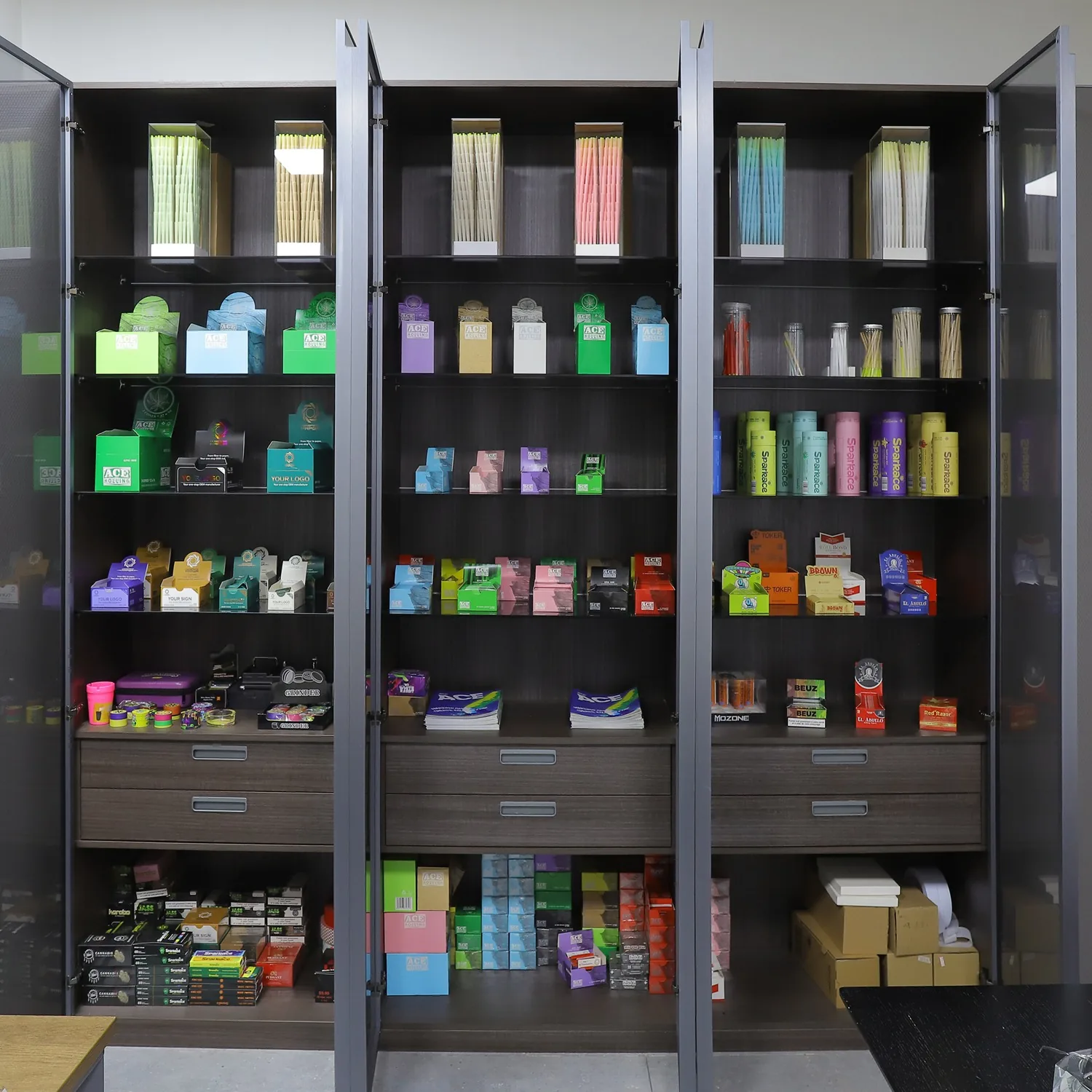
Minta Ace Rolling untuk menandai setiap item dengan material, GSM atau target berat jika berlaku, dimensi, perekat, ujung, status cetak, dan tujuan sampel. Contoh stok dapat membuktikan rasa atau struktur kemasan, tetapi tidak dapat membuktikan karya seni akhir atau lot besar Anda. Mulailah dengan program kertas gulung khusus dan nyatakan keputusan komersial yang harus didukung setiap sampel.
| Lapisan kit | Pertanyaan utama | Konten yang berguna | Belum disetujui |
|---|---|---|---|
| Orientasi | Apa yang mungkin? | Beragam stok luas | Konstruksi akhir |
| Perbandingan | Rute mana yang menang? | Serat dan ukuran yang cocok | Cetakan akhir |
| Niat produksi | Apakah ini produknya? | Kertas tepat, permen karet, cetak, kemas | Lot besar |
| Persetujuan lot | Apakah massa cocok? | Sampel diambil dari produksi | Pesanan ulang masa depan |
Poin Penting: Kit B2B harus menggerakkan pembeli dari perbandingan luas ke persetujuan yang dapat dilacak dan berorientasi produksi.
Sampel Serat dan Spesifikasi Kertas Mana yang Termasuk di Dalamnya?
Bagian kertas harus memungkinkan pembeli membandingkan bahan tanpa menebak variabel mana yang berubah. Sertakan arah rami, gaya beras, bambu, rami, atau bubur kayu yang relevan yang dapat dibahas OEM untuk format target.
Setiap swatch memerlukan pengenal dan, jika tersedia, deskripsi serat, target GSM, warna, status permen karet, status cetak, dan format yang dimaksudkan. Serat dan GSM saling terkait karena dua kertas dengan berat yang sama dapat terasa dan berkinerja berbeda.

Minta material yang cukup untuk ditangani, dilipat, disobek, direkat, dan jalankan uji penggunaan terkontrol. Jangan memilih hanya dari foto atau kata sifat keberlanjutan. Sumber bersertifikat FSC dapat dibahas sebagai opsi jika berlaku, tetapi ini bukan fitur default setiap kertas. Gunakan Ace Rolling informasi kualitas dan sertifikasi untuk meminta dokumen untuk konstruksi yang dipilih tepat.
| Bidang label swatch | Mengapa diperlukan | Contoh keputusan | Bukti persetujuan |
|---|---|---|---|
| Serat/campuran | Menentukan rute material | Rami versus gaya beras | Spesifikasi pemasok |
| Target GSM | Menentukan berat area | 14 versus 18 GSM | Metode dan toleransi |
| Permen karet | Mempengaruhi penyegelan | Opsi Gum Arabic | Finished strip test |
| Color/opacity | Affects shelf and print | White versus unbleached | Conditioned sample |
| Document status | Controls claims | FSC option if applicable | SKU-level records |
Poin Penting: Require labeled fiber-and-GSM swatches so a winning feel can be converted into a reproducible purchasing specification.
Which Sizes, Tips, and Cone Fills Should Be Included?
Dimensions change usability and machinery fit, so the kit must represent the sizes the buyer may actually sell or fill. A king-size booklet does not validate a 1¼ booklet, and an empty cone alone does not validate a filling workflow.
For booklets, compare leaf dimensions, count, gum width, interleaving, optional tips, and closed pack size. For cones, include relevant lengths, tip dimensions, seam construction, empty examples, and filled test units prepared to a stated fill weight and density.
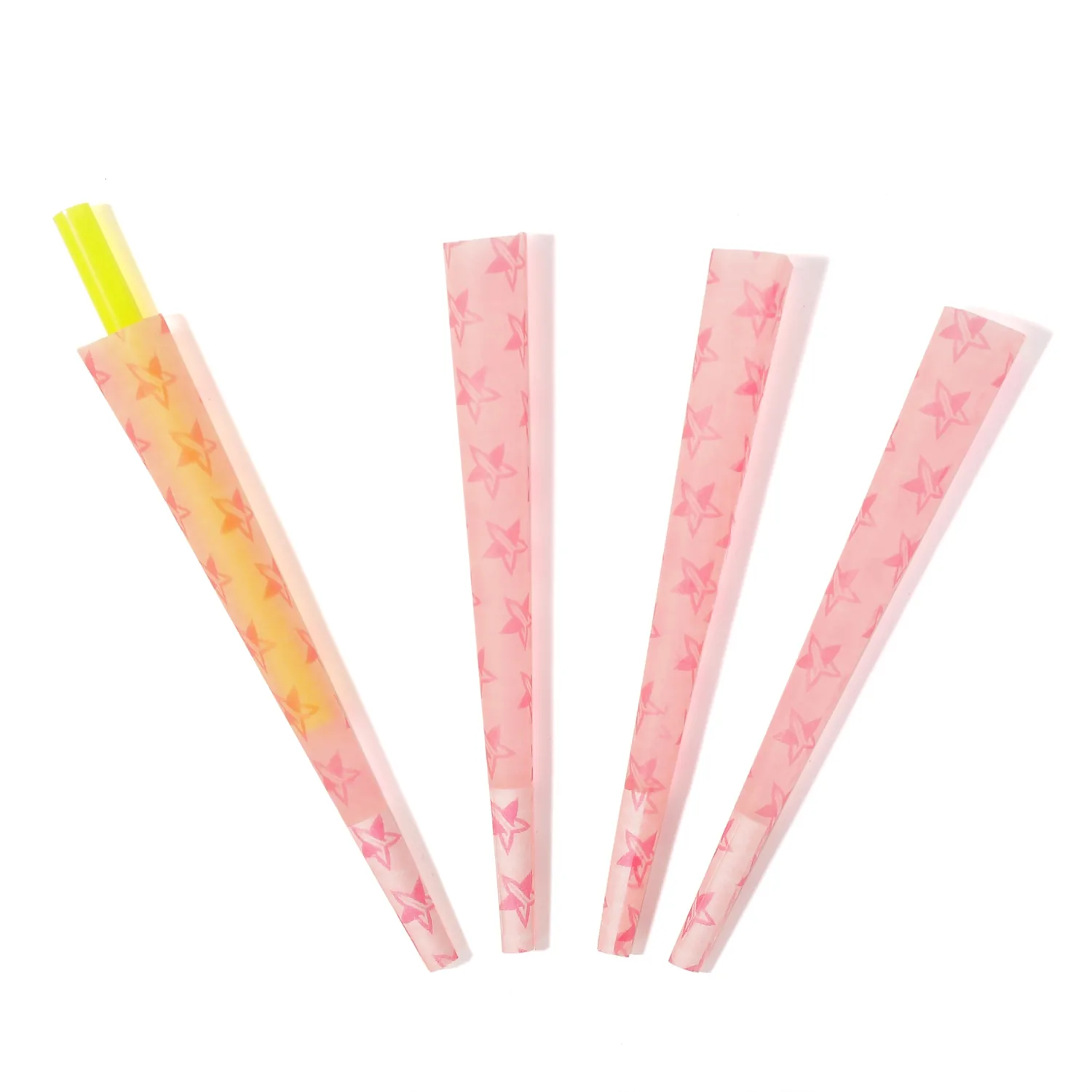
If automated filling is planned, provide machine model, target throughput, fill characteristics, and packing method. Test collapse, nesting, loading, fill consistency, and finished pack-out. Ace Rolling’s opsi kerucut pra-gulung can be narrowed around the buyer’s intended length and tip geometry.
| Contoh format | Variables to label | Uji | Pass condition |
|---|---|---|---|
| Booklet leaf | Size, count, gum, GSM | Roll and seal | Repeatable handling |
| Tip sheet | Stock and dimensions | Fold or roll | Desired rigidity |
| Empty cone | Length, tip, seam | Inspect and load | Fits process |
| Filled cone | Berat isian dan kepadatan | Handling/use test | Repeatable result |
| Retail pack | Unit count and structure | Transit simulation | No crushing or movement |
Poin Penting: Sample the real selling and filling format; flat paper alone cannot approve cone geometry, tips, or pack-out.
How Should Print Proofs and Packaging Samples Work?
Artwork approval has layers. A digital mockup checks layout, a printed color proof checks reproduction, and a physical pack checks dielines, folds, finishes, closure, readability, and shelf presence.
The kit should distinguish paper printing from booklet-cover and display-carton printing. Ink appearance changes with substrate color, opacity, coating, and finish. A screen image cannot prove how small legal copy, spot colors, embossing, foil, or spot UV will survive conversion.

Use versioned filenames, identify Pantone or other color targets where needed, and sign both the artwork proof and assembled physical sample. Keep required warnings, country-of-origin wording, and claims subject to destination-market review. Ace Rolling’s custom packaging route can coordinate paper, booklet, and display presentation under one controlled brief.
| Proof type | Proves | Does not prove | Approval record |
|---|---|---|---|
| Digital mockup | Layout and content | Physical color | Versioned PDF |
| Printed flat proof | Color and detail | Folding durability | Signed sheet |
| White dummy | Structure and dimensions | Cetakan akhir | Dimension check |
| Assembled sample | Full look and function | Entire mass lot | Signed retain |
| Karton display | Shelf pack-out | Freight performance alone | Pack test |
Poin Penting: Approve digital, printed, and assembled outputs separately because each catches a different class of bulk-order error.
What Testing Record Should Travel With the Kit?
Samples become useful procurement evidence only when tests are repeatable. Create a scorecard before opening the kit so brand preference does not erase operational results.
Record handling, tear resistance, gum activation, seal hold, print rub, paper presence, relights, side-burn tendency, ash, cone seam, fill fit, and packaging strength as relevant. Use the same fill, weight, grind, humidity, conditioning time, and testers for comparisons.
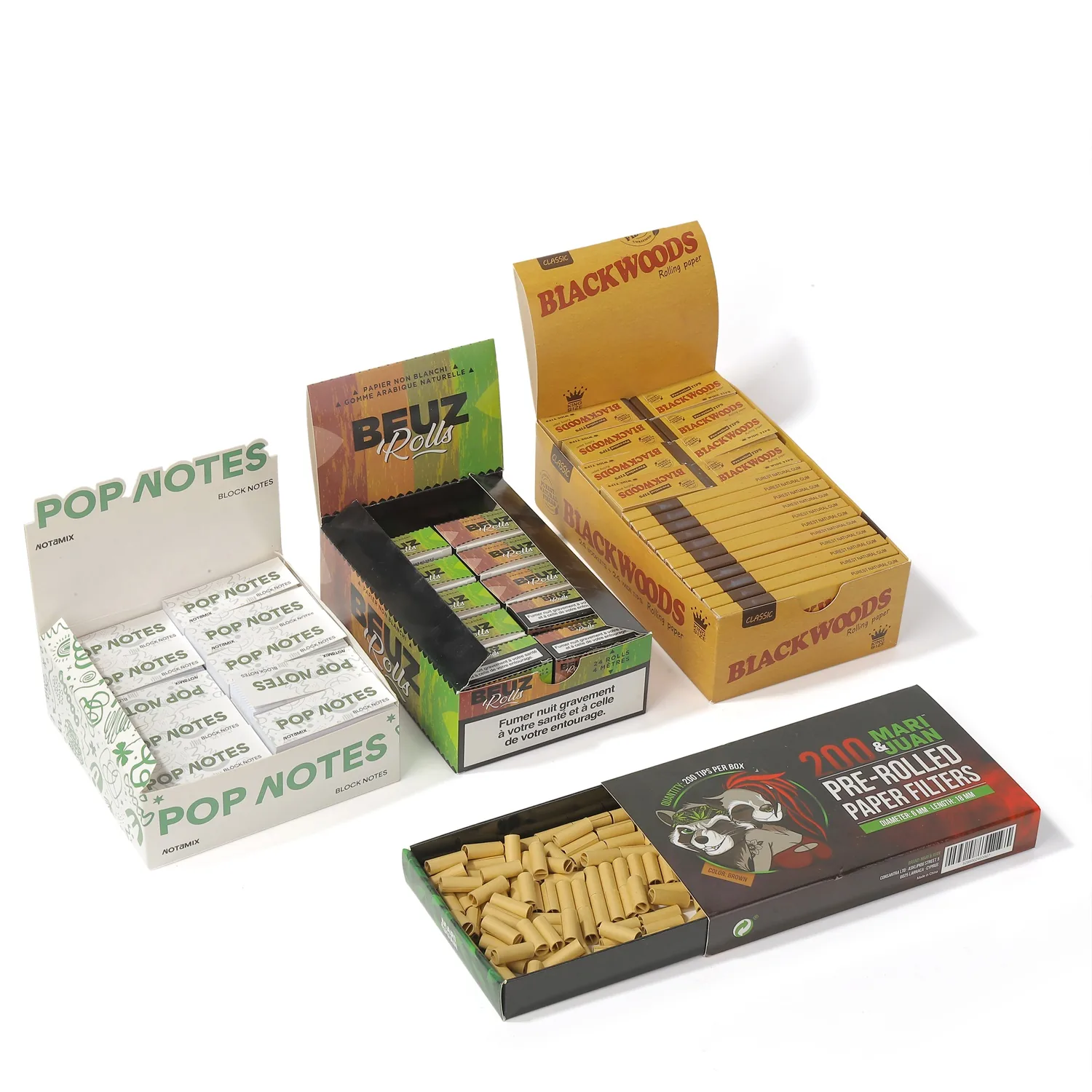
Photograph failures, note sample IDs, and avoid absolute performance language based on a few trials. A passing score means “meets this buyer’s recorded brief under these conditions,” not a medical, safety, or universal burn claim. Ask Ace Rolling’s OEM team to answer exceptions in writing before the next sample round.
| Test area | Controlled input | Observation | Keputusan |
|---|---|---|---|
| Penanganan | Same users and humidity | Tears, folds, grip | Pass/revise |
| Permen karet | Same activation method | Seal and residue | Pass/revise |
| Terbakar | Same fill and density | Relights, side burn | Compare only |
| Cetak | Same rub and light review | Smear, readability | Pass/revise |
| Pengemasan | Same load and drop plan | Crush or opening | Pass/revise |
Poin Penting: A labeled scorecard turns subjective samples into a clear approve, revise, or reject decision.
How Does the Retain-Sample Process Protect Bulk Orders?
The most valuable item in the sample process is the signed production-intent retain. It freezes what “approved” means when mass production starts and when the brand reorders months later.
Create at least two matched retains: one held by the buyer and one held by the factory. Mark product code, material, GSM, gum, size, print version, packaging version, approval date, approver, and sample lot. Seal and store them in appropriate conditions.

The QC plan should say which bulk attributes are measured numerically and which are compared visually or functionally to the retain. Any paper, gum, ink, tip, dieline, or supplier change should trigger written notice and, when material, reapproval. Review the process with Ace Rolling’s Dongguan factory.
| Retain control | Buyer copy | Factory copy | Reapproval trigger |
|---|---|---|---|
| Finished booklet/cone | Ya | Ya | Material or construction change |
| Kemasan cetak | Ya | Ya | Artwork, color, or finish change |
| Signed specification | Ya | Ya | Revision to any controlled field |
| Test scorecard | Ya | Ya | Changed test method |
| Lot identifier | Ya | Ya | New production investigation |
Poin Penting: Keep matched, signed retains with change-control rules so the approved sample remains enforceable during production and reorder review.
What Timeline and Request Brief Gets the Right Kit?
A fast sample request begins with a precise commercial brief: buyer type, market, formats, sizes, fibers, GSM range, gum, print scope, packaging, quantity forecast, destination, required documents, testing priorities, and launch date.
Ace Rolling samples before mass production. A private-label project is commonly planned around about two months from concept to delivery, while mass production after approvals often takes roughly four to five weeks, depending on complexity. Sample and revision time sits before that production release.

Do not bury the critical date or ask only for “anything you have.” Request an orientation kit, then identify the expected production-intent round and approval owners. Confirm current kit charges, shipping, lead time, and customs details rather than assuming every international sample is free. Start through Ace Rolling’s contact page.
| Request field | Contoh | Mengapa hal ini penting | Owner |
|---|---|---|---|
| Target SKU | 1¼ booklet or 109 mm cone | Focuses samples | Pembeli |
| Material range | Two fibers, two GSMs | Enables comparison | Buyer/OEM |
| Tahap desain | Draft or final | Selects proof type | Merek |
| Bulk forecast | Often from ~2,000 units | Tests commercial fit | Procurement |
| Destination/date | Country and launch | Frames freight and schedule | Logistics |
Poin Penting: Send a complete brief and build revision time ahead of the four-to-five-week post-approval mass-production window.
FAQ
What should a custom rolling paper sample kit contain?
It should contain labeled fiber and GSM swatches, relevant booklet sizes, gum and tip options, empty and filled cone examples, print proofs, packaging structures, specification sheets, and a test scorecard. The final stage should add matched, signed production-intent retains held by both buyer and factory before mass production begins.
Is a stock sample kit enough to approve a bulk order?
No. A stock kit is useful for orientation, material feel, size comparison, and package ideas, but it may use standard constructions and placeholder artwork. Bulk approval requires a production-intent sample made to the exact paper, gum, dimensions, print, tips, and packaging specification, supported by a signed retain and change control.
Why should a sample kit include filled cones?
Empty cones reveal geometry, seam, paper, and tip details, but filled cones test the intended workflow and finished handling. Label fill weight, density, material condition, and filling method. If machinery is involved, run samples on the planned equipment. This exposes collapse, loading, nesting, pack-out, and consistency issues before volume production.
How long does custom rolling paper production take after samples?
Ace Rolling commonly plans about two months from concept to delivery for private-label work, depending on scope. After all materials, artwork, samples, and packaging are approved, mass production often takes roughly four to five weeks. Revisions, shipping, destination customs, and complex finishes can change the total schedule, so confirm dates in writing.
Should the buyer and factory both keep approved samples?
Yes. Both parties should hold matched, signed retains labeled with product code, paper, GSM, gum, dimensions, print version, packaging version, approval date, and lot reference. The quality plan can then compare bulk output to the same physical standard. Material changes or meaningful deviations should trigger notice, investigation, and reapproval.
How do I request a sample kit from Ace Rolling?
Prepare your buyer type, destination, formats, sizes, fiber and GSM shortlist, gum, tips, cone fill needs, artwork stage, packaging, forecast quantity, documents, test priorities, and deadline. Then hubungi Ace Rolling to confirm kit contents, charges, shipping, current availability, production-intent sampling, MOQ, and approval schedule.