
How to choose a rolling paper manufacturer in China? Start with a written product spec, verify you are talking to the factory (not only a trading desk), run retained production samples, and reject quotes that skip those gates to win on unit price. China hosts many capable rolling-paper converters; the failures buyers regret are usually spec drift, anonymous middlemen, and bulk orders placed before burn and packaging proofs—not geography itself.
Guides such as Smoke Branding’s China sourcing article stress the same backbone: define materials, insist on samples, treat certifications as scope-specific, and plan communication and shipping early. This checklist adapts that B2B logic for OEM/ODM buyers evaluating Ace Rolling and peer factories.
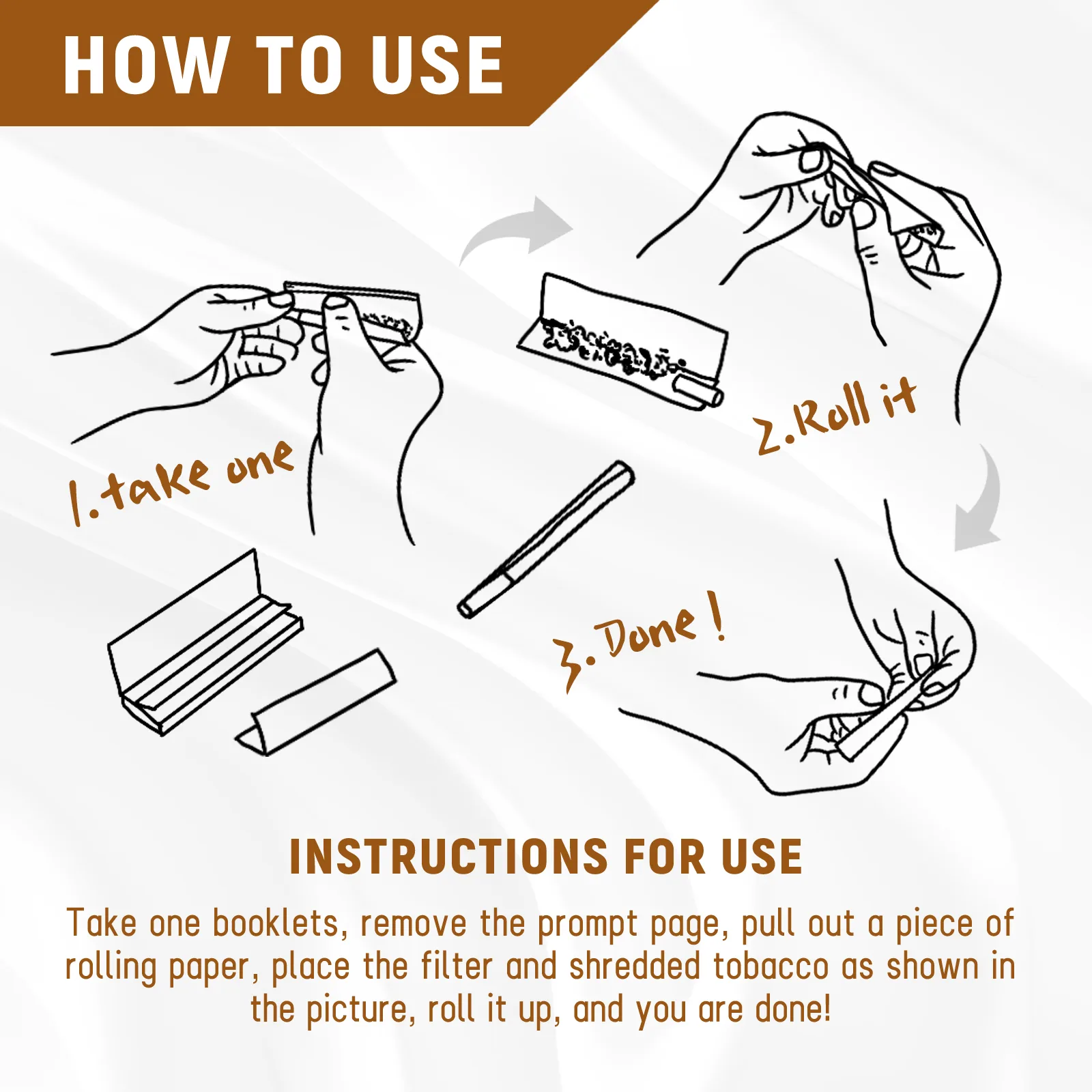
Step 1: Define Your Spec Before You Email Factories
Factories quote faster—and more accurately—when your brief reads like a SKU definition, not a mood board.
Lock these fields first:
| Spec field | Example options | Why it matters |
|---|---|---|
| Format | Single wide, 1¼, king, cone | Drives machinery and dielines |
| Material | Hemp, bamboo, wood pulp; rice-style on request | Sets fiber sourcing and burn |
| GSM / thickness | e.g. 12–14 gsm ultra-thin vs 18+ gsm forgiving | Affects roll feel and opacity |
| Gum | Arabic gum vs alternatives | Seal strength and taste |
| Bleach level | Refined white vs unbleached brown | Label claims and shelf story |
| Booklet count | 32 / 50 leaves etc. | Folding and glue station setup |
| Packaging | Shrink, display box, master carton | Separate approval gate from paper |
| Full custom vs logo band | Artwork timeline and MOQ band |
Bring vector artwork only after base paper samples pass. Changing print and paper simultaneously slows every China OEM project.
Step 2: Choose Material Lane (Hemp, Bamboo, Wood Pulp)
Most China OEM programs cluster into plant-fiber and wood-pulp lanes:
Hemp — balanced grip, natural merchandising, common private-label default. Bamboo — related plant-fiber story; confirm blend ratios on COA/spec sheet. Wood pulp — refined white or natural brown; often easiest for beginners’ feel. Rice-style ultra-thin — not every factory runs the same recipe; confirm on samples.
Ace Rolling actively manufactures hemp, bamboo, and wood pulp programs. Treat rice-style as sample-verified, not assumed from a brochure photo.
Step 3: Sample Like Your Reorder Depends on It (It Does)
Sampling is two phases:
- Stock or reference samples — narrow fiber and GSM candidates quickly
- Production-intent samples — built to your signed brief; becomes the retained bulk standard
On production-intent samples, test:
- Tear and fold memory in real humidity
- Gum taste and seal with normal moisture
- Burn evenness, canoeing, ash behavior
- Booklet cut accuracy and glue tab strength
- Tip/cone fit if those SKUs are in scope
- Packaging dieline vs approved artwork
Both buyer and factory should keep identical retained samples with a lot or project ID. Reorders without that reference invite silent spec drift.

Step 4: Do Not Choose on Lowest Unit Price Alone
The cheapest FOB quote often hides:
- Thinner GSM than quoted after reorder
- Substituted gum or pulp source
- Unchecked packaging that crushes booklets in export transit
- No retained sample—so you cannot prove drift
Model landed cost: unit price + duties + freight + defect allowance + rework risk. A +$0.02/booklet factory with stable retained samples frequently beats a −$0.04/booklet factory that changes paper every lot.
Ask what is included in quoted MOQ: plates, dielines, sample rounds, export cartons, and revision limits.
Step 5: Certifications, MOQ, and Timeline in Writing
Certifications are not interchangeable. When a supplier cites ISO, GMP, FSC, or “FDA registered,” ask:
- Scope — facility vs specific product line
- Expiry — current certificate copy
- Name match — legal factory name on cert matches contract counterparty
MOQ and lead time should appear on the quote:
- Ace Rolling OEM programs often start around 2,000 units depending on format and print
- Planning horizon about two months concept-to-delivery is realistic for new custom SKUs
- Mass production commonly about four to five weeks after sample and artwork approvals
If a broker promises one-week mass production on fully custom art, treat that as a risk flag until explained.
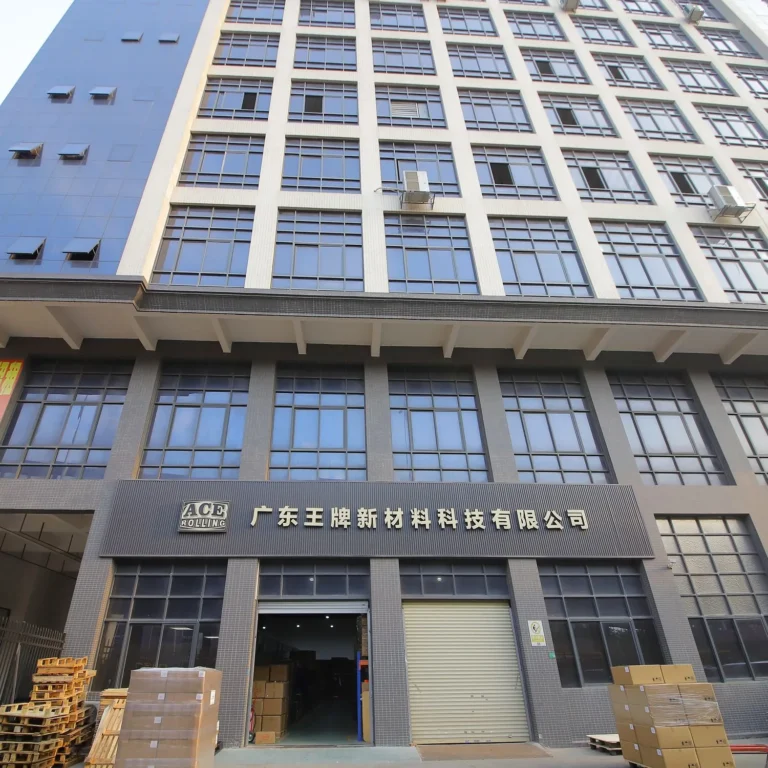
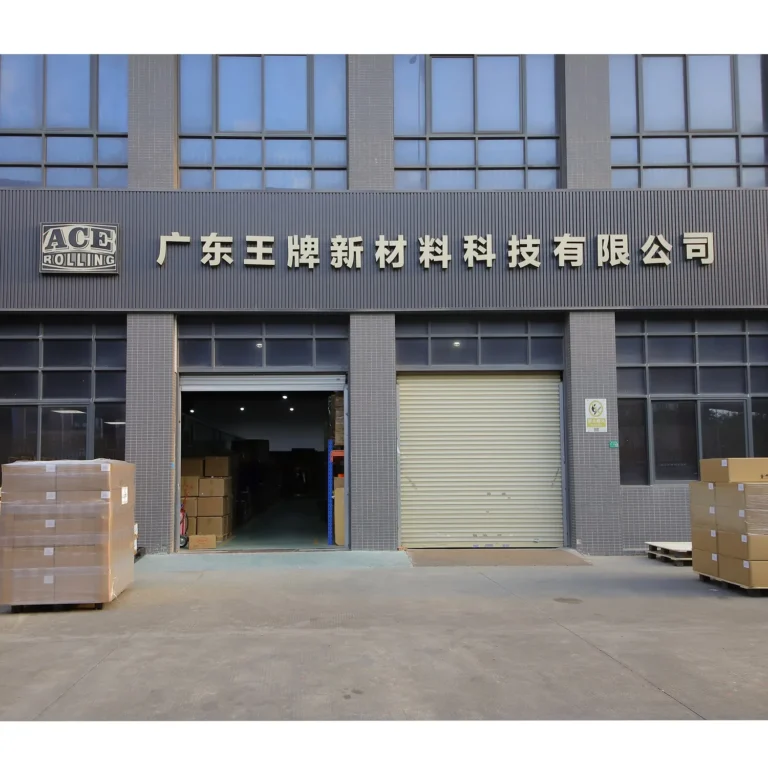
Step 6: Verify Factory Identity (Not Just a Website)
China sourcing red flags:
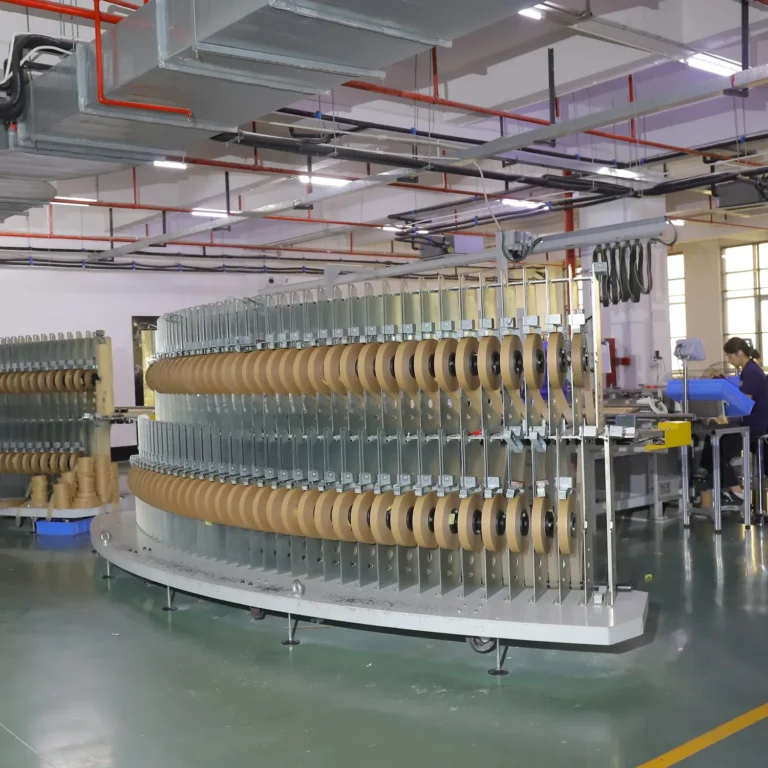
- Will not video-walk converting lines or sample room
- Company name on invoice ≠ name on certificates
- Only WeChat contact, no contract entity
- Pushes 100% wire before production-intent sample
- Cannot explain gum source, pulp mill relationship, or QC hold points
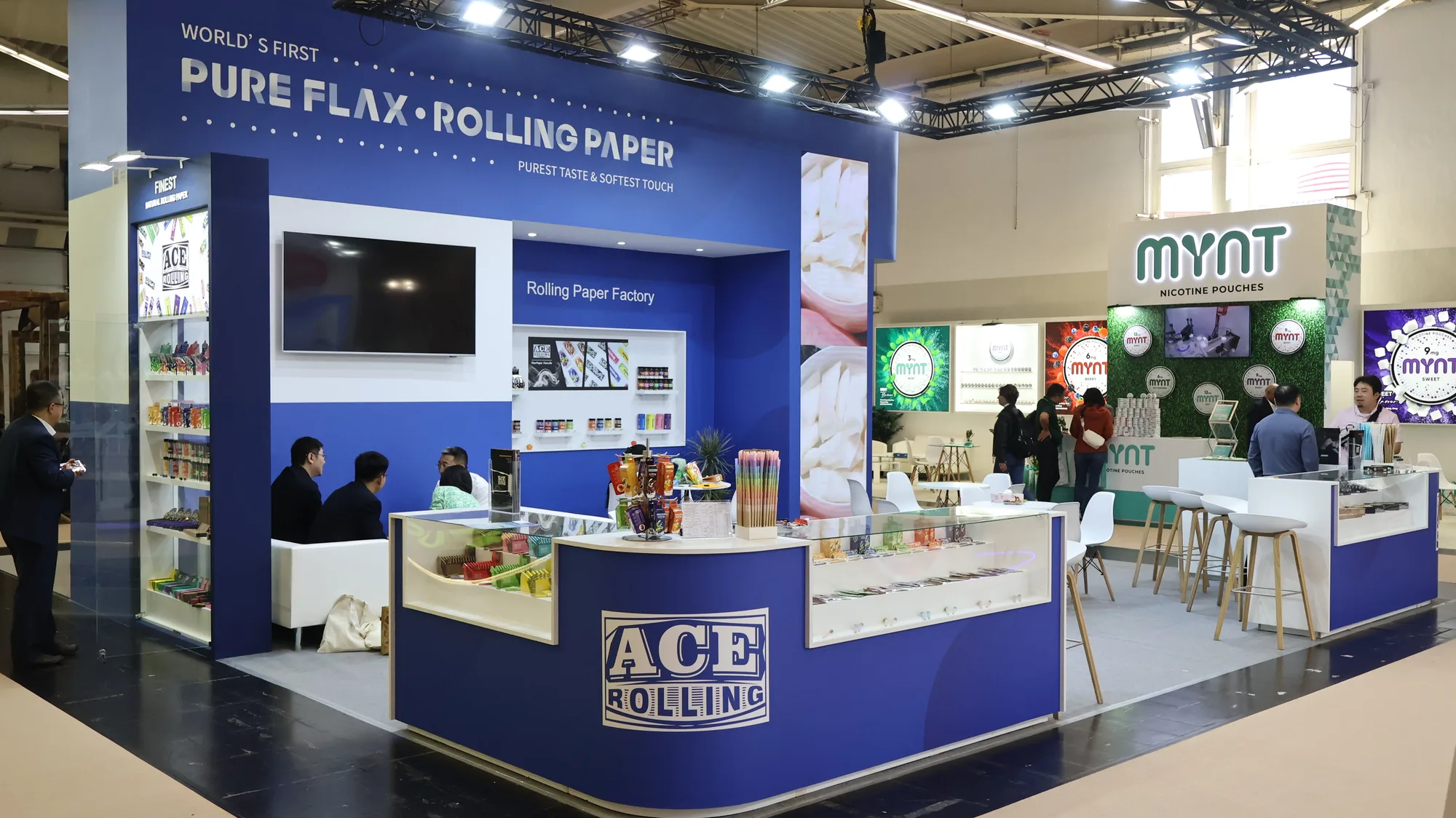
Prefer manufacturers who publish a Brief → Sample → Sign Off → Scale workflow—matching Ace Rolling’s OEM/ODM page structure. Trade-show presence, audit photos, and third-party inspection options add confidence; still run your own burn tests.
Step 7: Communication Rhythm That Prevents Rework
Cross-border OEM fails softly when feedback loops are vague. Set:
- Primary channel (email for approvals; chat for quick photos)
- Weekly status during sample and proof windows
- Single approver on your side for artwork and retained sample
- Written change log when GSM, gum, or carton specs shift
Document approvals with dates. “We agreed on Slack” is not a reorder spec.
Step 8: Shipping and Inner Pack Before You Scale Artwork
Rolling papers are light but crush-sensitive. Before max MOQ:
- Confirm master carton burst strength and drop-test habit
- Inner wraps that stop booklet edge scuffing
- Pallet pattern photos from prior export lots if available
- Incoterms clarity (FOB, CIF, DDP) and who files compliance labels
Fragile-marked cartons and desiccant choices matter on long ocean legs. Shipping plans belong in vendor selection—not after the first container leaves port.
Factory vs Trading Company: Quick Comparison
| Factor | Direct factory (e.g. Ace Rolling OEM) | Trading desk |
|---|---|---|
| Spec control | Engineering talk with converting team | Filtered through sales broker |
| Sample retention | Easier to bind same line | May switch subcontractor |
| Price | Transparent MOQ tiers | Margin stacked opaque |
| Reorder risk | Lower when same line runs bulk | Higher if lot routed elsewhere |
| Best for | Custom booklets, cones, branded packs | One-off commodity pick from catalog |
Many legitimate projects use traders; custom OEM with retained samples favors direct factory relationships.
Ace Rolling as a China OEM/ODM Partner
Ace Rolling operates as a manufacturer for custom rolling papers and related formats—not a reseller of RAW, Rizla, or OCB. Programs commonly include hemp, bamboo, and wood pulp constructions, Arabic gum on applicable SKUs, custom booklets and packaging, and cone options where briefed.
Ace is not the right fit if you only want the absolute lowest anonymous commodity quote with no sample gate. It is a fit when you want defined specs, retained-sample discipline, and export-ready cartons after sign-off.
Bottom Line
To choose a rolling paper manufacturer in China, define the SKU in writing, sample production-intent paper, verify factory identity and certificate scope, compare landed cost—not FOB alone—and plan export packaging before artwork scales. That sequence matches how serious OEM buyers avoid the expensive reorder mistakes that cheap first quotes create.
See Custom Rolling Papers and OEM/ODM Solutions. To start a factory review with Ace Rolling, contact Ace Rolling with format, material, GSM/gum targets, artwork status, packaging needs, destination, and estimated quantity.
FAQ
What is the first step when choosing a China rolling paper factory?
Write a full SKU brief: format, material, GSM, gum, bleach level, booklet count, and packaging type. Send it to shortlisted manufacturers and compare sample timelines—not only FOB unit price. Ace Rolling reviews OEM briefs against hemp, bamboo, and wood pulp capabilities and confirms rice-style needs on samples when requested.
How many samples should I order before bulk OEM?
At minimum, reference samples to narrow fiber and GSM, then production-intent samples built to your signed spec. Both you and the factory should retain identical approved units with a project ID. Skipping retained samples is the most common cause of reorder drift on China OEM rolling papers.
Is the cheapest Chinese manufacturer always a bad choice?
Not always—but lowest unit quotes that skip production samples, certificate scope, or retained standards carry higher rework risk. Model landed cost including freight, duties, and defect allowance. Stable paper often saves more than a few cents per booklet in returns and relabeling.
What MOQ should I expect from a China rolling paper OEM?
MOQ varies by format, print, and packaging. Ace Rolling programs often start around 2,000 units after samples, with roughly two months concept-to-delivery planning and mass production commonly about four to five weeks after approvals. Traders may offer lower MOQ on stock lines—but custom print usually carries factory MOQ bands.
How do I verify a rolling paper factory is real?
Match certificate legal names to contract entities, request video of converting and packing lines, ask who holds retained samples, and prefer written Brief → Sample → Sign Off → Scale workflows. Trade-show or audit photos help; your own burn and packaging tests still decide approval.
Can Ace Rolling be my China OEM rolling paper manufacturer?
Yes, for custom booklet and related OEM programs where you need defined materials and branding—not branded resale of RAW, Rizla, or OCB. Request samples, confirm MOQ and timeline on your brief, and plan export packaging early. Ace manufactures; buyers remain responsible for destination-market compliance and labeling.