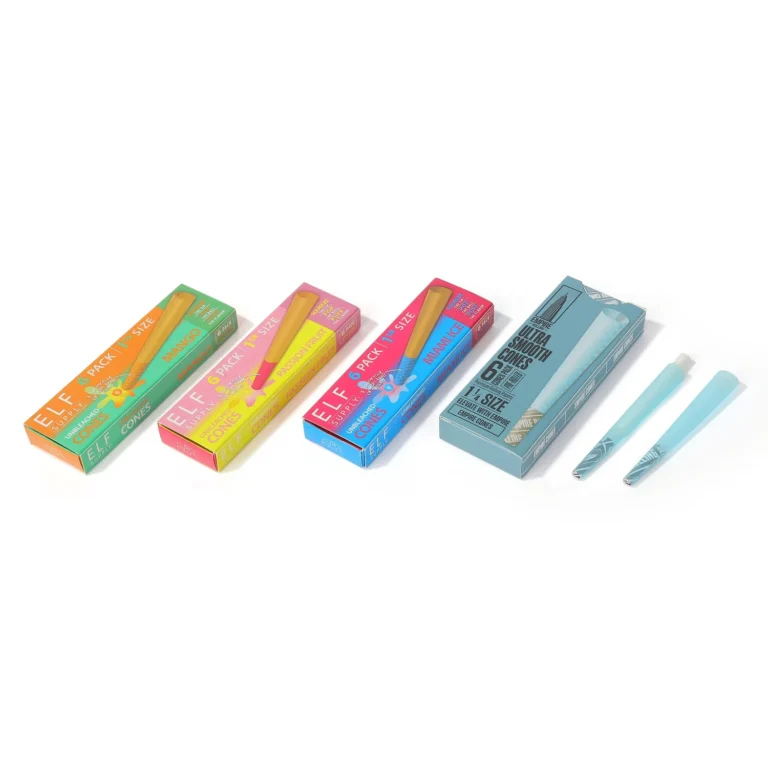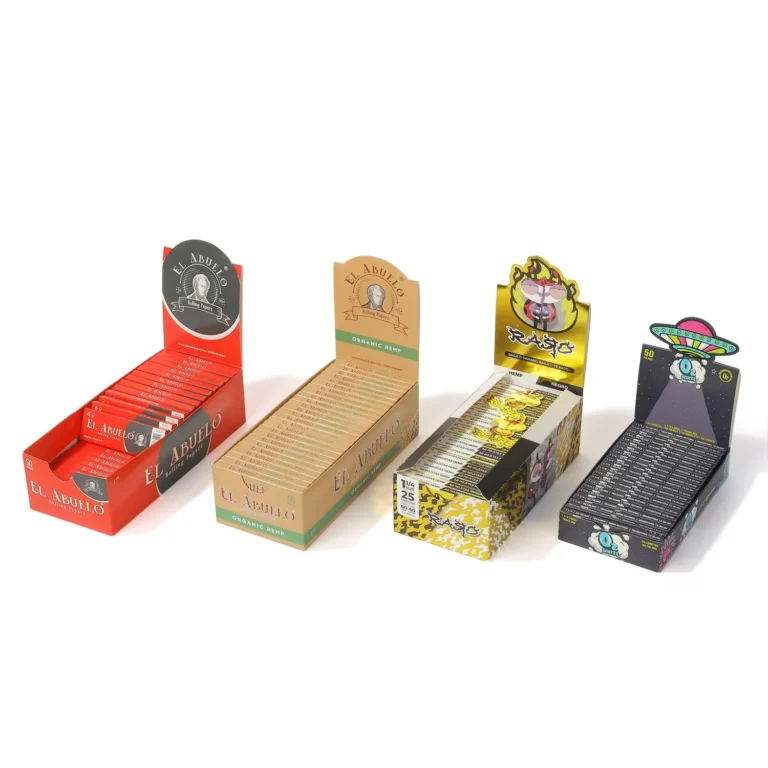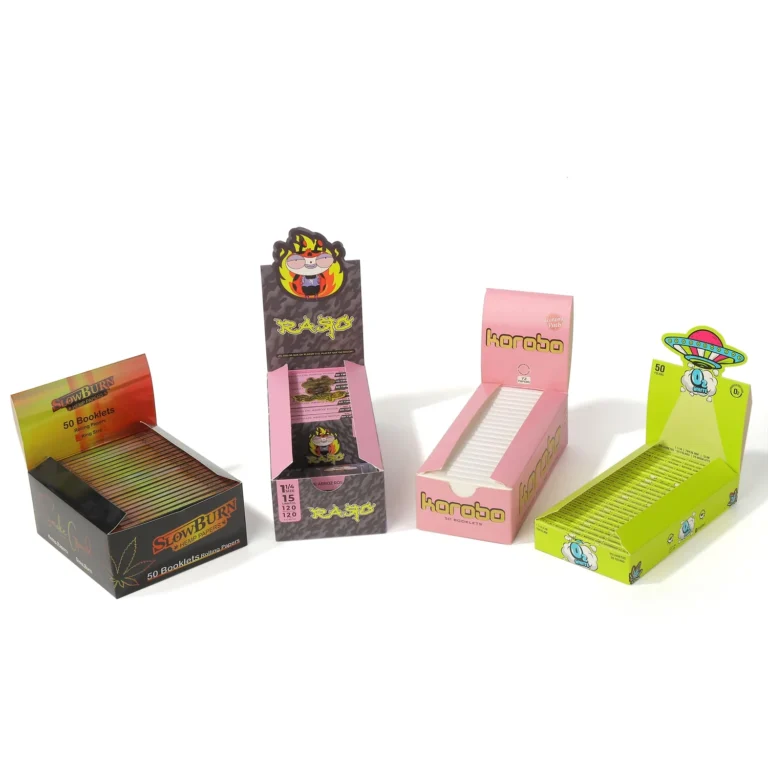

How to print a logo on custom rolling papers? Deliver factory-ready vector art on the correct template—then proof cover and leaf separately—before you lock MOQ print.
Brand buyers and private-label founders often stall on artwork, not paper. Ace Rolling is a Dongguan, China OEM that prints private-label booklets (~USD $0.07–$0.30) and cones (~$0.04–$0.06) with MOQ often ~2,000—not RAW, Rizla, or OCB.

What File Setup Do Factories Expect for Logos?
Lead-in: SERP design guides (for example RYOP-style checklists) converge on vector PDF + CMYK discipline.
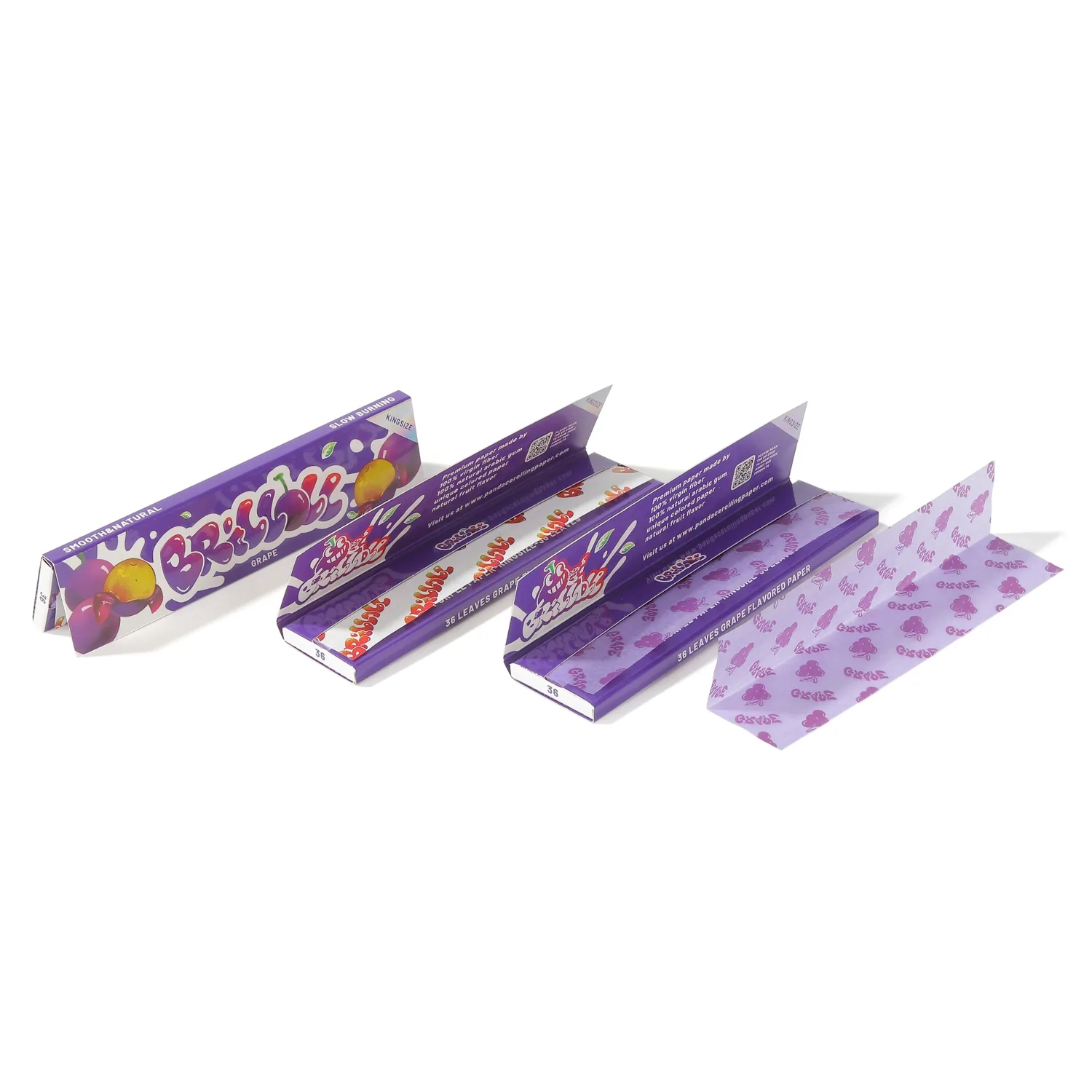
Summary: Prefer vector PDF in CMYK; raster elements at 300 DPI; outline fonts; keep critical logo marks inside a safe zone. Spot colors on the leaf are limited—plan cover effects separately from leaf print.
| Asset rule | Typical ask |
|---|---|
| File type | Vector PDF |
| Color | CMYK (plus approved spots) |
| Raster | 300 DPI minimum |
| Bleed | ~2 mm |
| Safe zone | ~3 mm from trim |
| Fonts | Outlined / converted |
Key Takeaway: Template-correct PDF beats a pretty PNG every time.
Custom: https://ace-rolling.com/custom-rolling-papers/.
How Many Colors Can You Put on the Leaf vs Cover?
Lead-in: Leaf print capacity and cover finishes are not the same budget line.
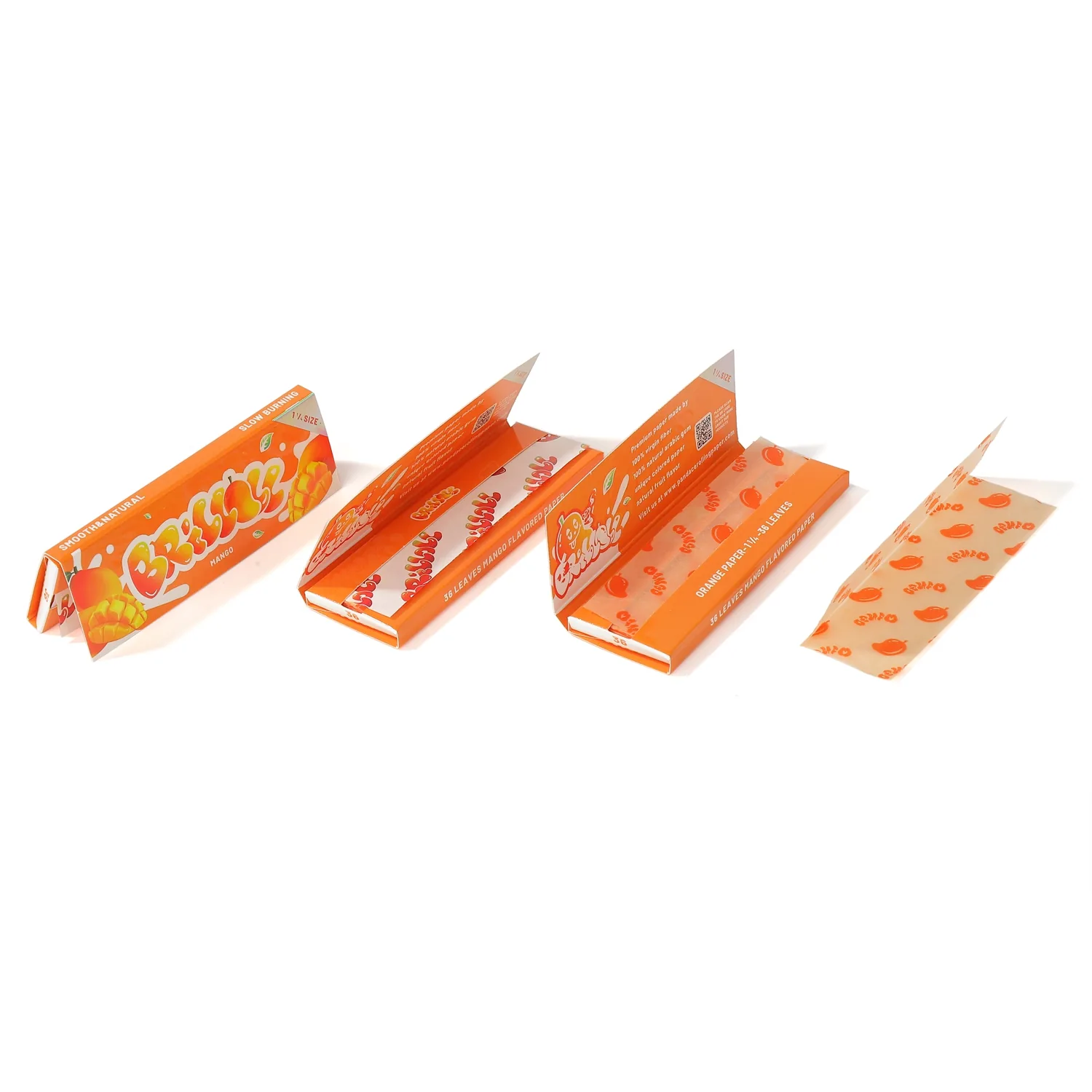
Summary: Many custom programs allow a small set of spot colors on the paper leaf (guides often cite up to four), while booklet covers commonly run full CMYK plus optional foil, UV, or emboss. Confirm Ace leaf/cover limits on your quote—not a competitor PDF.
| Surface | Common capability (trade guides) | Buyer note |
|---|---|---|
| Paper leaf | Limited spot colors (often ≤4) | Thin stock limits ink load |
| Booklet cover | Full CMYK | Proof separately |
| Cover effects | Foil / UV / emboss | Add lead time + cost |
| Ink type claims | e.g. soy-based on some sites | Ask Ace for your SKU |
Key Takeaway: Quote leaf spots and cover effects as two line items.
OEM: https://ace-rolling.com/oem-odm-rolling-paper-manufacturer/.
Why Is the Wrong Template the #1 Delay?
Lead-in: Beautiful logos on the wrong dieline still fail prepress.
Summary: Each size and pack architecture has its own template. Using a king cover on a 1¼ dieline, or ignoring bleed, forces redraws. Lock Ace’s current template before agency hours burn.

| Mistake | Result |
|---|---|
| Wrong size dieline | Full redraw |
| No bleed | White edges |
| Text in safe zone | Cut logos |
| RGB only | Color shift |
| Low-DPI logo | Soft print |
Key Takeaway: Ask for the live template first—design second.
Factory: https://ace-rolling.com/about-factory/.
Glossy vs Matte—What Should Brands Choose?
Lead-in: Finish is a brand signal and a fingerprint/scuff trade-off.
Summary: Glossy covers punch color; matte covers feel premium and hide fingerprints differently. Neither finish fixes a bad logo file. Sample both if your channel is display-heavy.

| Finish | Strength | Watch-out |
|---|---|---|
| Glossy | Color pop | Fingerprints / glare |
| Matte | Soft premium feel | Colors can look flatter |
| Soft-touch | Tactile luxury | Cost + lead time |
| Spot UV | Logo highlight | Registration critical |
Key Takeaway: Pick finish after a physical cover proof, not from a screen mock only.
Custom: https://ace-rolling.com/custom-rolling-papers/.
What Print Scope Changes Ace Price Bands?
Lead-in: Logos are cheap only when scope is clear.
Summary: Ace booklet wholesale typically plans ~USD $0.07–$0.30; cones ~$0.04–$0.06 with MOQ. Extra leaf colors, foil, UV, and complex pack-outs move you inside or above those bands. MOQ often ~2,000; timelines ~2 months concept-to-delivery; mass ~4–5 weeks after approvals.

| Scope add-on | Price / time effect |
|---|---|
| Extra leaf spots | Up |
| Foil / emboss / UV | Up + lead time |
| Multi-SKU pack-outs | Up MOQ complexity |
| Simple 1–2 color leaf | Closer to entry band |
Key Takeaway: Price the print map, not “one logo.”
OEM: https://ace-rolling.com/oem-odm-rolling-paper-manufacturer/.
How Should You Proof Before Mass Production?
Lead-in: Soft proofs are not enough for foil or spot UV.
Summary: Approve digital proofs for layout, then physical samples for color, gum, and registration. Keep retain packs that match the mass PO. Ace runs under ISO 9001:2015; food-grade Arabic gum applies on applicable papers.
| Proof stage | Pass criteria |
|---|---|
| Template check | Correct dieline |
| Soft proof | Spelling / safe zone |
| Physical sample | Color + registration |
| Retain | Matches mass lot |
Key Takeaway: No retain match, no mass print PO.
Factory: https://ace-rolling.com/about-factory/.
How Do You Start Logo Print with Ace Rolling?
Lead-in: Soft-sell path: template → art → sample → quote → MOQ.
Summary: Send size, fiber, leaf/cover print map, finish, qty, and destination. Ace does not produce RAW/Rizla/OCB—only your private label.
| Step | Action |
|---|---|
| 1 | Request current template |
| 2 | Deliver vector CMYK PDF |
| 3 | Proof cover + leaf |
| 4 | Quote Ace bands |
| 5 | Mass after approvals |
Key Takeaway: Logo print succeeds when the template and the PO describe the same job.
Start at https://ace-rolling.com/contact/.
FAQ
What file format should I use to print a logo on rolling papers?
Most factories prefer a vector PDF in CMYK with fonts outlined and rasters at 300 DPI. Keep logos inside the safe zone and add about 2 mm bleed on the factory template. Ace Rolling will confirm the live dieline for your size before you spend design hours.
How many colors can I print on the paper leaf?
Trade design guides often cite a limited spot-color count on the leaf—commonly up to four—while covers may run full CMYK plus foil, UV, or emboss. Exact Ace leaf limits depend on stock and artwork, so list colors on the RFQ. Do not assume a competitor’s color count applies to your SKU.
Why do custom rolling paper logos get delayed?
The most common delay is designing on the wrong template or ignoring bleed and safe zones. RGB-only files and low-DPI logos also force redraws before prepress can approve. Request Ace’s current template first, then build the logo layout so agency hours are not wasted.
Should I choose glossy or matte covers?
Glossy finishes push color; matte finishes often feel more premium and handle fingerprints differently under retail light. Neither finish repairs a weak logo file or wrong template. Ask for physical cover proofs under store-like lighting before you freeze MOQ artwork.
How much do Ace custom printed booklets cost?
Ace Rolling custom booklets typically plan about USD $0.07–$0.30 each with MOQ, and cones about $0.04–$0.06 each. Extra leaf colors and cover effects move the unit price. Confirm Incoterms and timeline on a dated quotation.
How do I start a logo print program with Ace?
Send size, fiber, leaf/cover print map, finish, quantity, and destination to https://ace-rolling.com/contact/. Request the correct template and retain samples before deposit for mass. Expect about two months concept-to-delivery planning, with mass often four to five weeks after approvals.