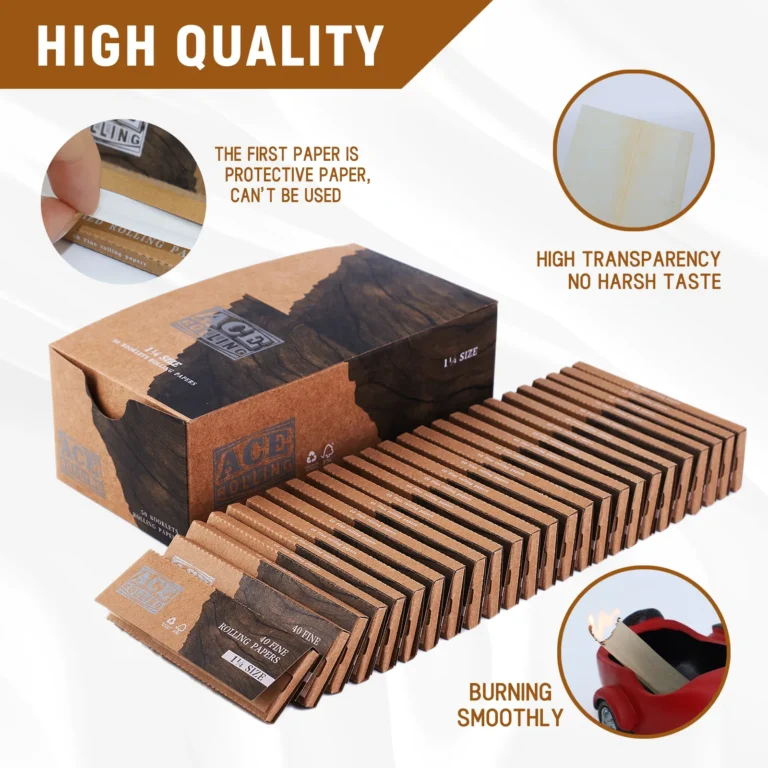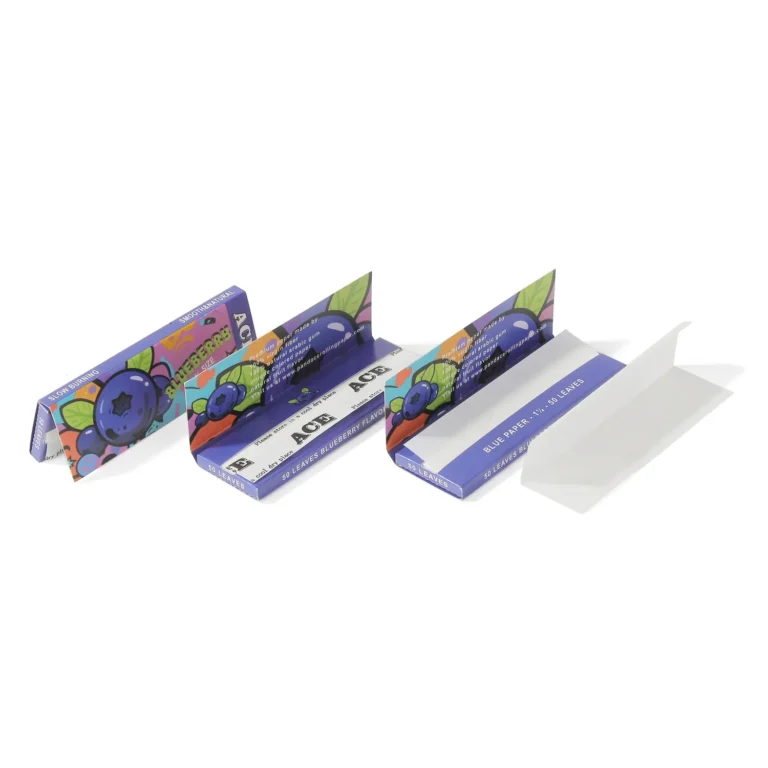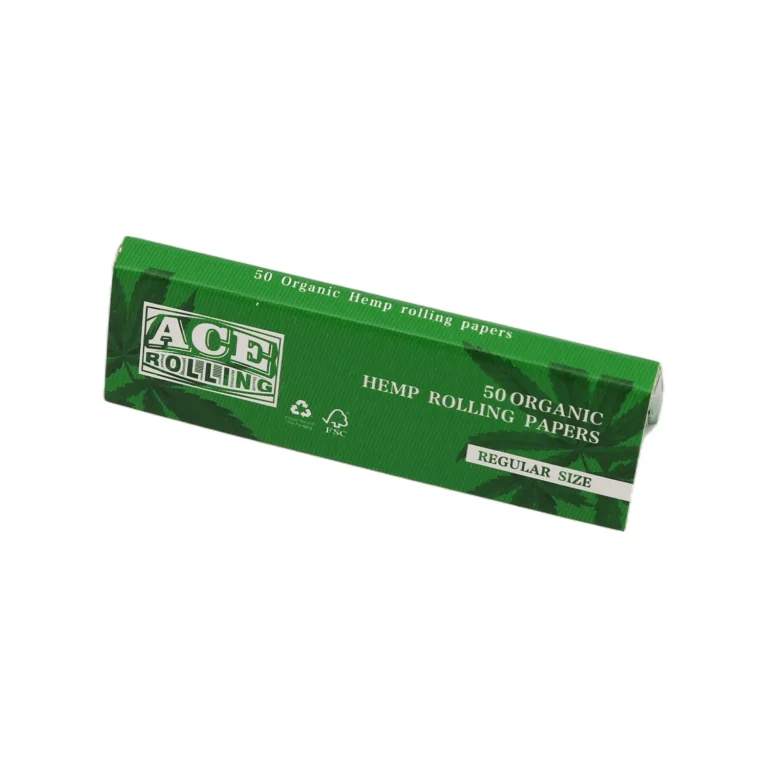

Spesifikasi porositas dan laju pembakaran apa yang harus ditetapkan pembeli? Tetapkan rentang porositas/permeabilitas target dan tolok ukur laju bakar yang diverifikasi sampel terkait pilihan serat dan aditif spesifik Anda—tidak ada angka universal tunggal, jadi beri pengarahan properti yang Anda inginkan dan validasi pada sampel fisik daripada meminta spesifikasi “bakar lambat” generik.
Rekan SERP seperti Futurola membahas laju bakar sebagai spesifikasi yang harus ditentukan pembeli, bukan dianggap. Panduan ini adalah panduan penetapan spesifikasi grosir untuk pembeli, bukan perbandingan konsumen “merek mana yang paling lambat terbakar”—lihat perbandingan bakar konsumen terpisah Ace untuk sudut itu.
Apa Sebenarnya Arti Porositas pada Kertas Gulung?
Pengantar: Porositas menggambarkan seberapa banyak udara melewati kertas, yang memengaruhi pembakaran.
Ringkasan: Porositas (kadang dibahas sebagai permeabilitas) mengukur seberapa bebas udara bergerak melalui struktur kertas. Porositas yang lebih tinggi umumnya mendukung pembakaran yang lebih merata dan berkelanjutan karena oksigen mencapai tepi pembakaran lebih konsisten; porositas yang lebih rendah dapat menyebabkan kertas lebih mudah padam sendiri atau terbakar tidak merata.
| Properti | Efek |
|---|---|
| Porositas lebih tinggi | Aliran oksigen lebih merata, pembakaran berkelanjutan |
| Porositas lebih rendah | Dapat padam sendiri, pembakaran tidak merata |
| Diukur melalui | Pengujian permeabilitas laboratorium |
Poin Penting: Porositas adalah sifat fisik yang dapat diuji yang mempengaruhi pembakaran—bukan kata sifat yang dapat Anda minta tanpa angka.
Pembingkaian kualitas: https://ace-rolling.com/quality-certifications/.
Apa yang Menggerakkan Laju Bakar Selain Porositas Saja?
Pendahuluan: Porositas adalah satu masukan; serat dan aditif sama pentingnya.
Ringkasan: Laju pembakaran juga dibentuk oleh jenis serat (bubur kayu, rami, beras, flax), perlakuan aditif pembakaran apa pun, dan ketebalan/GSM kertas. Dua kertas dengan porositas serupa masih dapat terbakar pada laju berbeda jika komposisi seratnya berbeda—jangan perlakukan porositas sebagai satu-satunya tuas yang mempengaruhi perilaku pembakaran.
| Penggerak laju bakar | Kontribusi |
|---|---|
| Porositas | Aliran oksigen ke tepi pembakaran |
| Jenis serat | Karakteristik pembakaran dasar |
| Aditif | Dapat memperlambat atau memodifikasi pembakaran |
| GSM/ketebalan | Mempengaruhi bahan bakar yang tersedia per lintasan |
Poin Penting: Beri pengarahan serat, aditif, dan porositas bersama—laju bakar adalah hasil gabungan, bukan spesifikasi variabel tunggal.
Rute material: https://ace-rolling.com/custom-rolling-papers/.
Bagaimana Seharusnya Anda Mendefinisikan Target Laju Pembakaran dalam RFQ?
Pendahuluan: “Bakar lambat” bukan spesifikasi yang dapat dikutip pabrik.
Ringkasan: Definisikan laju pembakaran dalam istilah yang dapat dibandingkan dan diuji—misalnya, “waktu pembakaran harus dalam X% dari [sampel referensi bernama]” atau “harus sesuai dengan profil pembakaran dari lot sampel A yang disertakan dengan RFQ ini.” Permintaan samar seperti “pembakaran lambat” sepenuhnya menyerahkan interpretasi kepada pemasok dan menghasilkan hasil yang tidak konsisten.

| Pendekatan spesifikasi | Hasil |
|---|---|
| “Pembakaran lambat” (samar) | Tidak konsisten, tidak dapat diverifikasi |
| Komparatif terhadap sampel referensi | Dapat diuji, dapat diverifikasi |
| Rentang waktu pembakaran numerik | Dapat diuji, paling presisi |
Poin Penting: Minta spesifikasi bakar komparatif atau numerik yang dikaitkan dengan sampel referensi—kata sifat yang samar tidak diterjemahkan menjadi produksi yang konsisten.
Kertas kustom: https://ace-rolling.com/custom-rolling-papers/.
Bagaimana Cara Menguji Porositas dan Laju Pembakaran pada Sampel?
Pendahuluan: Validasi spesifikasi pada sampel fisik sebelum mengunci produksi massal.
Ringkasan: Minta beberapa lembar sampel dari rute produksi target yang sama, uji bakar di bawah kondisi yang konsisten (lingkungan sama, teknik sama), dan bandingkan waktu serta kehalusan terhadap referensi atau rentang target Anda. Uji lebih dari satu lembar—variasi material alami berarti satu tes tidak sepenuhnya representatif.

| Langkah uji | Tujuan |
|---|---|
| Beberapa lembar sampel | Memperhitungkan variasi alami |
| Kondisi uji yang konsisten | Perbandingan yang adil |
| Bandingkan dengan referensi/target | Confirms spec is met |
Poin Penting: Burn-test multiple sample sheets under consistent conditions—one test sheet isn’t enough to confirm a spec.
Proses sampel: https://ace-rolling.com/how-to-get-a-custom-rolling-paper-sample-kit/.
Does a Slower Burn Rate Always Mean Better Quality?
Lead-in: Burn rate is a preference dimension, not an absolute quality scale.
Summary: Slower burn isn’t automatically “better”—some markets and users prefer a faster, more traditional burn profile. Treat burn rate as a brand positioning and user-preference decision to spec deliberately, not a universal quality metric where slower always wins.
| Framing | Risk of assuming |
|---|---|
| “Slower = better” | May not match target user preference |
| Burn rate = one of many attributes | More accurate framing |
| Spec to your market | Correct approach |
Poin Penting: Don’t default to “slowest possible burn” as your spec—define the target rate based on your actual user preference and market.
Positioning framing: https://ace-rolling.com/house-of-brands/.
Can Ace Rolling Match a Specific Porosity or Burn Target?
Lead-in: Matching a target starts with a reference sample or clear numeric spec.
Summary: Ace can work toward a target porosity or burn profile when buyers provide a reference sample or a clearly defined numeric spec in the RFQ. Feasibility and sample rounds confirm how closely the target can be matched with a given fiber and additive combination before any mass-quantity commitment.
| Langkah | Requirement |
|---|---|
| Reference sample or numeric spec | Buyer provides |
| Feasibility check | Confirmed before sampling |
| Sample round | Validates match before mass |
Poin Penting: Bring a reference sample or numeric target to the RFQ—”match this” is far more actionable than “make it slow burning.”
Program OEM: https://ace-rolling.com/oem-odm-rolling-paper-manufacturer/.
How Do You Brief a Porosity/Burn Rate Spec for Your Order?
Lead-in: One brief with a reference sample settles the spec clearly.
Summary: Send Ace your fiber preference, a reference sample or numeric burn/porosity target, target quantity, destination, and timeline. Request multi-sheet sample burn testing against your reference before approving mass production, and treat the spec as testable rather than descriptive.
| Langkah | Aksi |
|---|---|
| 1 | Provide reference sample or numeric spec |
| 2 | Confirm fiber/additive combination |
| 3 | Burn-test multiple sample sheets |
| 4 | Compare against reference |
| 5 | Approve mass after match confirmed |
Poin Penting: A reference sample is the fastest way to communicate a burn rate target—descriptions alone leave too much open to interpretation.
Mulai: https://ace-rolling.com/contact/.
FAQ
What porosity and burn rate specs should wholesale buyers set?
Set a target porosity/permeability range and a burn rate benchmark defined in comparative or numeric terms tied to a reference sample—not a vague descriptor like “slow burning.” Burn rate is shaped by porosity, fiber type, additives, and paper thickness together, so brief these factors as a combined spec and validate the result with multi-sheet sample burn testing.
Does higher porosity always mean a better-burning paper?
Not automatically. Higher porosity generally supports more even oxygen flow and a sustained burn, but burn rate also depends on fiber type, additives, and thickness. Two papers with similar porosity can still burn differently based on fiber composition, so porosity should be briefed alongside fiber and additive choices, not evaluated as the only variable.
How do I write a testable burn rate spec instead of a vague one?
Define it comparatively or numerically—for example, “burn time should be within a stated percentage of a named reference sample” rather than “slow burning.” A reference sample or numeric target gives your supplier something concrete to test against, while a vague adjective leaves interpretation up to them and produces inconsistent results across production runs.
How should I test whether a sample meets my burn rate target?
Request multiple sample sheets from the same target production route and burn-test them under consistent conditions—same environment, same technique—comparing timing and evenness against your reference or numeric target. Testing more than one sheet matters because natural material variation means a single test result isn’t fully representative of production consistency.
Is a slower burn rate always the better choice for my brand?
No. Burn rate is a preference and positioning dimension, not an absolute quality scale—some markets and users prefer a faster, more traditional burn profile. Rather than defaulting to “slowest possible,” define your target burn rate based on your actual user preference and market positioning, then spec it deliberately with a reference sample.
Can Ace Rolling match a specific porosity or burn rate target?
Yes, when buyers provide a reference sample or a clearly defined numeric spec in the RFQ. Ace confirms feasibility and runs a sample round to validate how closely the target can be matched with a given fiber and additive combination before any mass-quantity commitment—bringing a reference sample is far more actionable than a descriptive request alone.
Ready to Spec a Porosity or Burn Rate Target?
Bring a reference sample or numeric target to your RFQ and validate it with multi-sheet burn testing.
- Custom papers: https://ace-rolling.com/custom-rolling-papers/
- Sample process: https://ace-rolling.com/how-to-get-a-custom-rolling-paper-sample-kit/
- Quote: https://ace-rolling.com/contact/