
買家應設定哪些孔隙度和燃燒速率規格? 設定目標孔隙度/透氣性範圍,並根據您的特定纖維和添加劑選擇建立經樣品驗證的燃燒速率基準——沒有單一的通用數字,因此請簡要說明您所需的特性,並在實體樣品上驗證,而不是要求通用的「緩慢燃燒」規格。.
SERP同行如Futurola將燃燒速率視為買家應定義而非假設的規格。本指南是為買家提供的批發規格設定指南,而非消費者「哪個品牌燃燒最慢」的比較——關於消費者角度,請參閱Ace單獨面向消費者的燃燒比較。.
捲菸紙的孔隙度實際意味著什麼?
引言:孔隙率描述空氣通過紙張的量,這會影響燃燒。.
摘要:孔隙度(有時討論為透氣性)衡量空氣在紙張結構中流動的自由度。較高的孔隙度通常支持更均勻、持續的燃燒,因為氧氣能更一致地到達燃燒邊緣;較低的孔隙度可能導致紙張更容易自熄或燃燒不均勻。.
| 特性 | 效果 |
|---|---|
| 較高孔隙率 | 更均勻的氧氣流動,持續燃燒 |
| 較低孔隙率 | 可能自熄,燃燒不均勻 |
| 測量方式 | 實驗室滲透性測試 |
關鍵要點: 孔隙率是可測試的物理特性,會影響燃燒——它不是一個可以沒有數值就隨意要求的形容詞。.
品質框架:https://ace-rolling.com/quality-certifications/。.
除了孔隙率,還有什麼影響燃燒速率?
引言:孔隙率是一個輸入因素;纖維和添加劑同樣重要。.
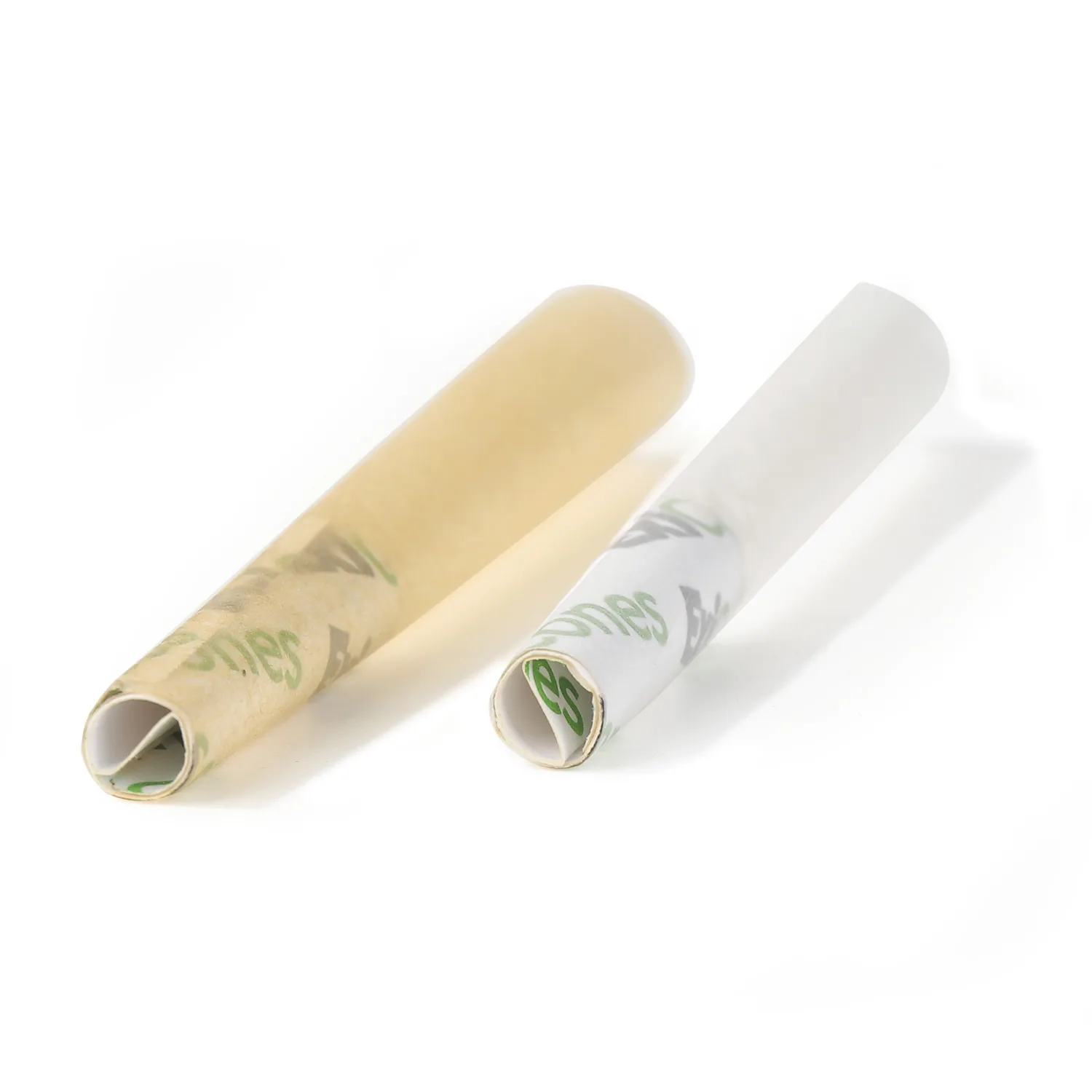
總結:燃燒速率也受纖維類型(木漿、大麻、稻米、亞麻)、任何燃燒添加劑處理以及紙張厚度/克重影響。兩張孔隙率相似的紙張,若纖維成分不同,仍可能以不同速率燃燒——切勿將孔隙率視為影響燃燒行為的唯一因素。.
| 燃燒速率驅動因素 | 貢獻 |
|---|---|
| 孔隙度 | 氧氣流向燃燒邊緣 |
| 纖維類型 | 基礎燃燒特性 |
| 添加劑 | 可減緩或調整燃燒 |
| 克重/厚度 | 影響每次通過可用的燃料量 |
關鍵要點: 簡述纖維、添加劑和孔隙率——燃燒速率是綜合結果,而非單一變量的規格。.
材料路線:https://ace-rolling.com/custom-rolling-papers/。.
如何在RFQ中定義目標燃燒速率?
引言:「緩慢燃燒」不是工廠可以報價的規格。.
摘要:以可比較、可測試的術語定義燃燒速率——例如,「燃燒時間應在[指定參考樣品]的X%範圍內」或「應與此RFQ提供的樣品批次A的燃燒曲線匹配」。模糊的要求如「緩慢燃燒」將解釋權完全留給供應商,並產生不一致的結果。.

| 規格方法 | 平均低於2小時 |
|---|---|
| “「緩慢燃燒」(模糊) | 不一致、無法驗證 |
| 與參考樣品比較 | 可測試、可驗證 |
| 數值燃燒時間範圍 | 可測試、最精確 |
關鍵要點: 要求提供與參考樣本相關的比較性或數值燃燒規格——模糊的形容詞無法轉化為一致的生產。.
客製化捲菸紙:https://ace-rolling.com/custom-rolling-papers/。.
如何在樣品上測試孔隙度和燃燒速率?
引言:在鎖定量產前,通過實體樣品驗證規格。.
摘要:從同一目標生產路線索取多個樣品紙張,在一致的條件下(相同環境、相同技術)進行燃燒測試,並將其燃燒時間和均勻性與您的參考值或目標範圍進行比較。測試多於一張紙——天然材料的變異性意味著單一測試無法完全代表整體表現。.

| 測試步驟 | 目的 |
|---|---|
| 多個樣本紙張 | 考慮自然變異 |
| 一致的測試條件 | 公平比較 |
| Compare to reference/target | Confirms spec is met |
關鍵要點: Burn-test multiple sample sheets under consistent conditions—one test sheet isn’t enough to confirm a spec.
樣品流程:https://ace-rolling.com/how-to-get-a-custom-rolling-paper-sample-kit/。.
Does a Slower Burn Rate Always Mean Better Quality?
Lead-in: Burn rate is a preference dimension, not an absolute quality scale.
Summary: Slower burn isn’t automatically “better”—some markets and users prefer a faster, more traditional burn profile. Treat burn rate as a brand positioning and user-preference decision to spec deliberately, not a universal quality metric where slower always wins.
| Framing | Risk of assuming |
|---|---|
| “Slower = better” | May not match target user preference |
| Burn rate = one of many attributes | More accurate framing |
| Spec to your market | Correct approach |
關鍵要點: Don’t default to “slowest possible burn” as your spec—define the target rate based on your actual user preference and market.
Positioning framing: https://ace-rolling.com/house-of-brands/.
Can Ace Rolling Match a Specific Porosity or Burn Target?
Lead-in: Matching a target starts with a reference sample or clear numeric spec.
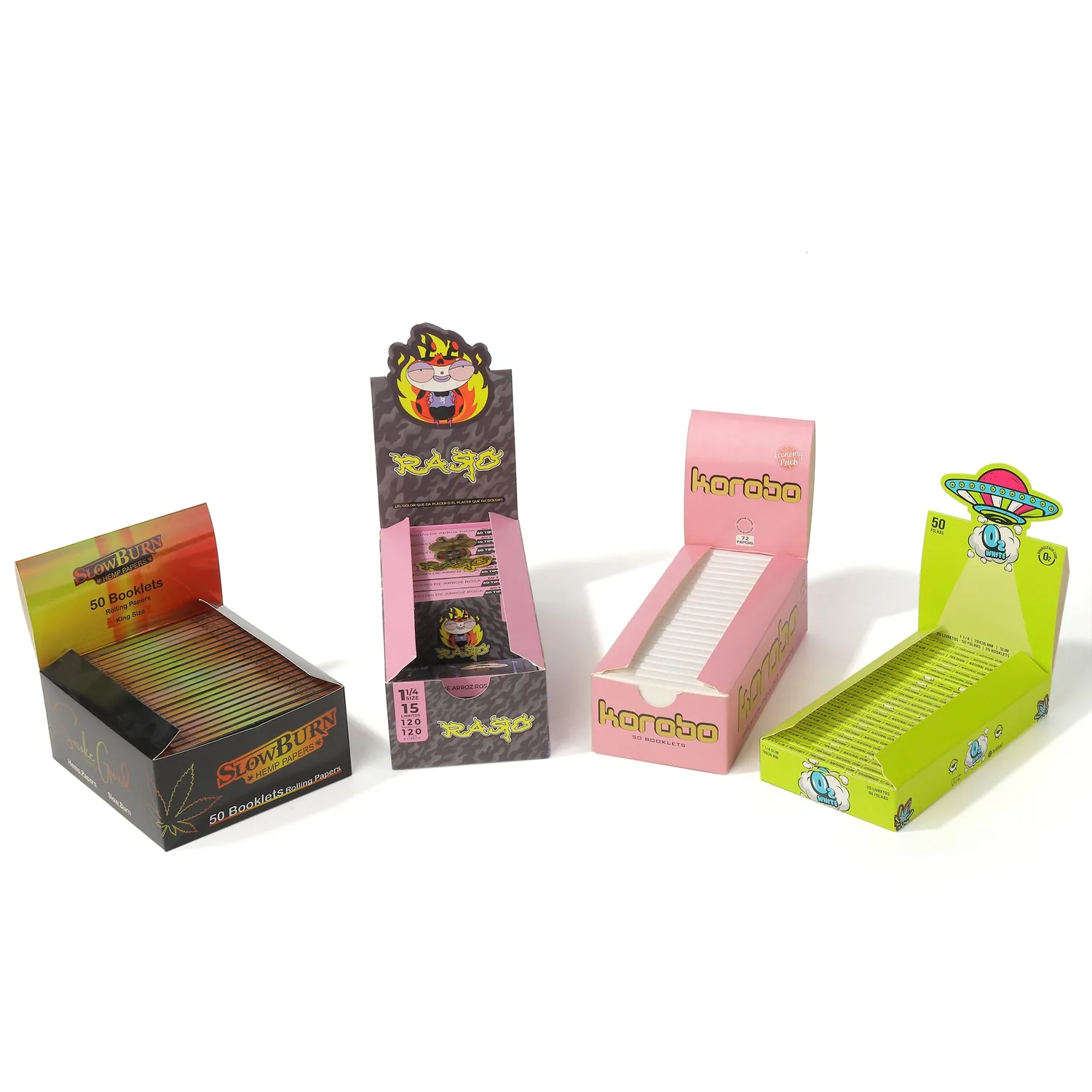
Summary: Ace can work toward a target porosity or burn profile when buyers provide a reference sample or a clearly defined numeric spec in the RFQ. Feasibility and sample rounds confirm how closely the target can be matched with a given fiber and additive combination before any mass-quantity commitment.
| 步驟 | Requirement |
|---|---|
| Reference sample or numeric spec | Buyer provides |
| Feasibility check | Confirmed before sampling |
| Sample round | Validates match before mass |
關鍵要點: Bring a reference sample or numeric target to the RFQ—”match this” is far more actionable than “make it slow burning.”
OEM方案:https://ace-rolling.com/oem-odm-rolling-paper-manufacturer/。.
How Do You Brief a Porosity/Burn Rate Spec for Your Order?
Lead-in: One brief with a reference sample settles the spec clearly.
Summary: Send Ace your fiber preference, a reference sample or numeric burn/porosity target, target quantity, destination, and timeline. Request multi-sheet sample burn testing against your reference before approving mass production, and treat the spec as testable rather than descriptive.
| 步驟 | 行動 |
|---|---|
| 1 | Provide reference sample or numeric spec |
| 2 | Confirm fiber/additive combination |
| 3 | Burn-test multiple sample sheets |
| 4 | Compare against reference |
| 5 | 確認匹配後批准批量 |
關鍵要點: A reference sample is the fastest way to communicate a burn rate target—descriptions alone leave too much open to interpretation.
開始:https://ace-rolling.com/contact/。.
常見問題
What porosity and burn rate specs should wholesale buyers set?
Set a target porosity/permeability range and a burn rate benchmark defined in comparative or numeric terms tied to a reference sample—not a vague descriptor like “slow burning.” Burn rate is shaped by porosity, fiber type, additives, and paper thickness together, so brief these factors as a combined spec and validate the result with multi-sheet sample burn testing.
Does higher porosity always mean a better-burning paper?
Not automatically. Higher porosity generally supports more even oxygen flow and a sustained burn, but burn rate also depends on fiber type, additives, and thickness. Two papers with similar porosity can still burn differently based on fiber composition, so porosity should be briefed alongside fiber and additive choices, not evaluated as the only variable.
How do I write a testable burn rate spec instead of a vague one?
Define it comparatively or numerically—for example, “burn time should be within a stated percentage of a named reference sample” rather than “slow burning.” A reference sample or numeric target gives your supplier something concrete to test against, while a vague adjective leaves interpretation up to them and produces inconsistent results across production runs.
How should I test whether a sample meets my burn rate target?
Request multiple sample sheets from the same target production route and burn-test them under consistent conditions—same environment, same technique—comparing timing and evenness against your reference or numeric target. Testing more than one sheet matters because natural material variation means a single test result isn’t fully representative of production consistency.
Is a slower burn rate always the better choice for my brand?
No. Burn rate is a preference and positioning dimension, not an absolute quality scale—some markets and users prefer a faster, more traditional burn profile. Rather than defaulting to “slowest possible,” define your target burn rate based on your actual user preference and market positioning, then spec it deliberately with a reference sample.
Can Ace Rolling match a specific porosity or burn rate target?
Yes, when buyers provide a reference sample or a clearly defined numeric spec in the RFQ. Ace confirms feasibility and runs a sample round to validate how closely the target can be matched with a given fiber and additive combination before any mass-quantity commitment—bringing a reference sample is far more actionable than a descriptive request alone.
Ready to Spec a Porosity or Burn Rate Target?
Bring a reference sample or numeric target to your RFQ and validate it with multi-sheet burn testing.
- 客製化捲菸紙:https://ace-rolling.com/custom-rolling-papers/
- 樣品流程:https://ace-rolling.com/how-to-get-a-custom-rolling-paper-sample-kit/
- 引用:https://ace-rolling.com/contact/