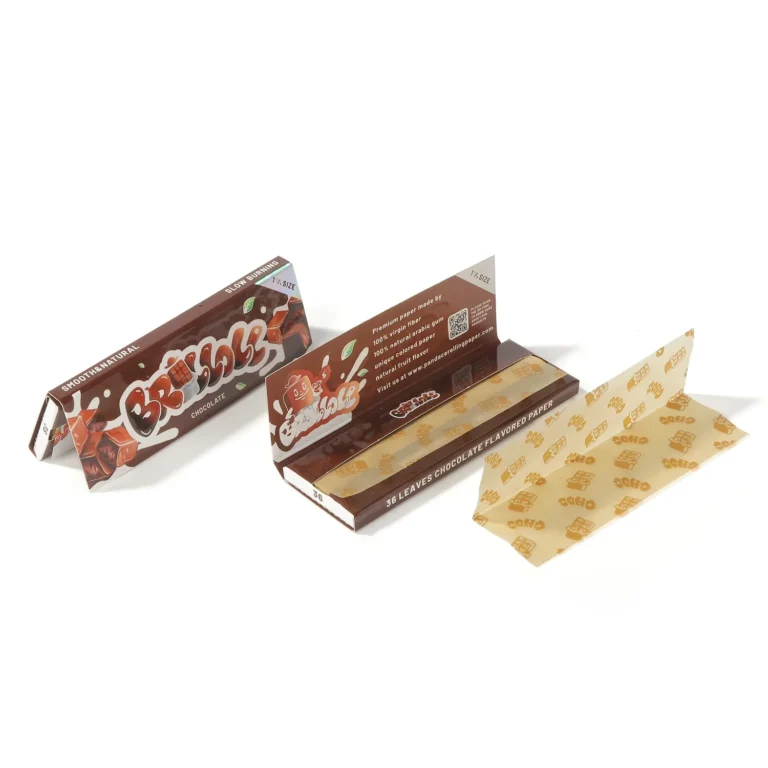

Какие спецификации пористости и скорости горения должны устанавливать покупатели? Установите целевой диапазон пористости/проницаемости и проверенный на образце эталон скорости горения, связанный с вашим конкретным выбором волокна и добавок — не существует единого универсального числа, поэтому кратко опишите желаемое свойство и подтвердите его на физическом образце, а не запрашивайте общую спецификацию “медленного горения”.
Коллеги по SERP, такие как Futurola, обсуждают скорость горения как спецификацию, которую покупатели должны определять, а не предполагать. Это руководство является оптовым руководством по установке спецификаций для покупателей, а не потребительским сравнением “какой бренд горит медленнее” — для этого угла зрения см. отдельное потребительское сравнение горения от Ace.
Что на самом деле означает пористость для бумаги для самокруток?
Введение: Пористость описывает, сколько воздуха проходит через бумагу, что влияет на горение.
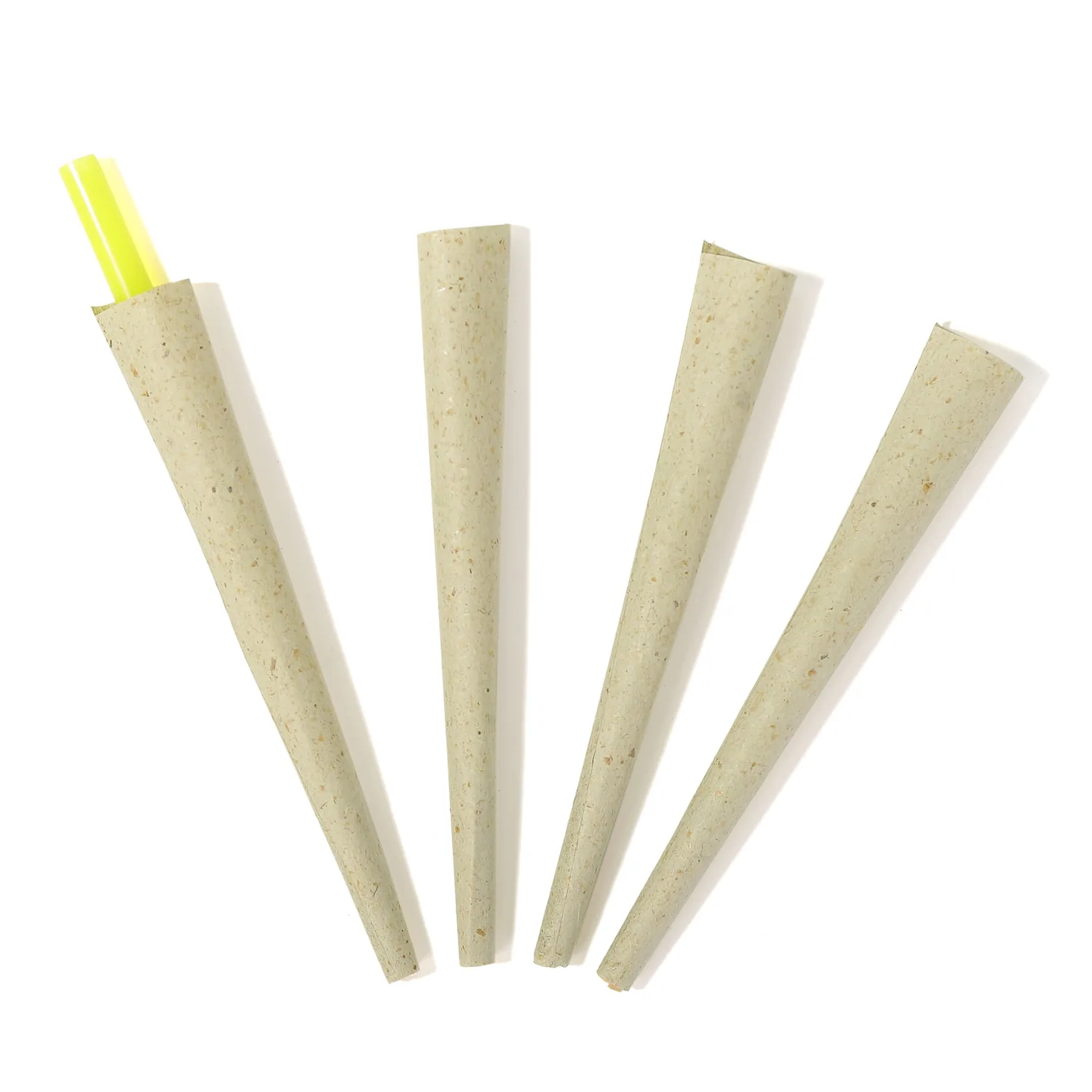
Резюме: Пористость (иногда обсуждается как проницаемость) измеряет, насколько свободно воздух проходит через структуру бумаги. Высокая пористость обычно способствует более равномерному и продолжительному горению, так как кислород поступает к горящему краю более стабильно; низкая пористость может привести к тому, что бумага легче самозатухает или горит неравномерно.
| Свойство | Эффект |
|---|---|
| Высокая пористость | Более равномерный поток кислорода, устойчивое горение |
| Низкая пористость | Может самозатухать, неравномерное горение |
| Измеряется через | Лабораторное тестирование проницаемости |
Ключевой вывод: Пористость — это проверяемое физическое свойство, влияющее на горение, а не прилагательное, которое можно запросить без числового значения.
Сертификация качества: https://ace-rolling.com/quality-certifications/.
Что влияет на скорость горения помимо пористости?
Введение: Пористость — это один из факторов; волокно и добавки имеют не меньшее значение.
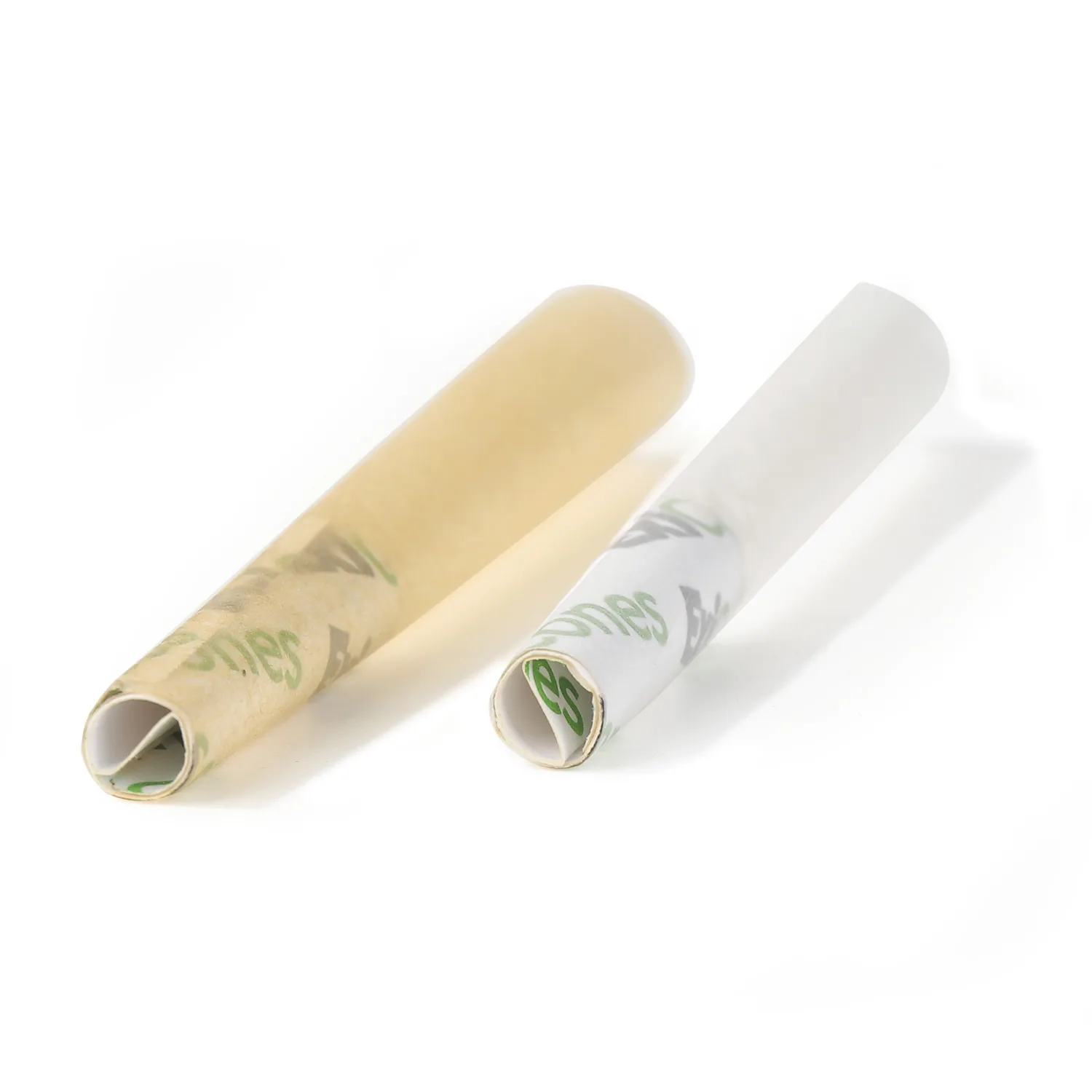
Итог: Скорость горения также формируется типом волокна (древесная масса, конопля, рис, лён), любой обработкой добавками для горения и толщиной/граммажом бумаги. Две бумаги с похожей пористостью могут гореть с разной скоростью, если их состав волокон отличается — не рассматривайте пористость как единственный рычаг, влияющий на поведение при горении.
| Драйвер скорости горения | Вклад |
|---|---|
| Пористость | Поток кислорода к горящему краю |
| Тип волокна | Основные характеристики горения |
| Добавки | Может замедлить или изменить горение |
| Граммаж/толщина | Влияет на доступное топливо за проход |
Ключевой вывод: Кратко: волокно, добавки и пористость вместе — скорость горения является комбинированным результатом, а не спецификацией с одной переменной.
Материальные пути: https://ace-rolling.com/custom-rolling-papers/.
Как следует определять целевую скорость горения в RFQ?
Введение: “Медленное горение” — это не спецификация, на которую завод может дать точный ответ.
Итог: Определите скорость горения в сравнительных, проверяемых терминах — например, “время горения должно быть в пределах X% от [именованного эталонного образца]” или “должно соответствовать профилю горения образца партии А, предоставленного с этим RFQ”. Расплывчатые запросы, такие как “медленное горение”, полностью оставляют интерпретацию поставщику и приводят к неоднородным результатам.

| Спецификационный подход | Результат |
|---|---|
| “Медленное горение” (расплывчато) | Нестабильный, непроверяемый |
| Сравнение с эталонным образцом | Проверяемый, верифицируемый |
| Числовой диапазон времени горения | Проверяемый, наиболее точный |
Ключевой вывод: Запросите сравнительную или числовую спецификацию горения, привязанную к эталонному образцу — расплывчатые прилагательные не обеспечивают стабильность производства.
Индивидуальные бумаги: https://ace-rolling.com/custom-rolling-papers/.
Как проверить пористость и скорость горения образца?
Введение: Подтвердите спецификацию на физических образцах перед запуском массового производства.
Итог: Запросите несколько образцов листов из одного целевого производственного процесса, проведите их испытания на горение в одинаковых условиях (та же среда, та же техника) и сравните время и равномерность с вашим эталоном или целевым диапазоном. Протестируйте более одного листа — естественные вариации материала означают, что один тест не является полностью репрезентативным.

| Этап тестирования | Цель |
|---|---|
| Несколько образцов листов | Учитывает естественные вариации |
| Consistent test conditions | Fair comparison |
| Compare to reference/target | Confirms spec is met |
Ключевой вывод: Burn-test multiple sample sheets under consistent conditions—one test sheet isn’t enough to confirm a spec.
Процесс образца: https://ace-rolling.com/how-to-get-a-custom-rolling-paper-sample-kit/.
Does a Slower Burn Rate Always Mean Better Quality?
Lead-in: Burn rate is a preference dimension, not an absolute quality scale.
Summary: Slower burn isn’t automatically “better”—some markets and users prefer a faster, more traditional burn profile. Treat burn rate as a brand positioning and user-preference decision to spec deliberately, not a universal quality metric where slower always wins.
| Framing | Risk of assuming |
|---|---|
| “Slower = better” | May not match target user preference |
| Burn rate = one of many attributes | More accurate framing |
| Spec to your market | Correct approach |
Ключевой вывод: Don’t default to “slowest possible burn” as your spec—define the target rate based on your actual user preference and market.
Positioning framing: https://ace-rolling.com/house-of-brands/.
Can Ace Rolling Match a Specific Porosity or Burn Target?
Lead-in: Matching a target starts with a reference sample or clear numeric spec.
Summary: Ace can work toward a target porosity or burn profile when buyers provide a reference sample or a clearly defined numeric spec in the RFQ. Feasibility and sample rounds confirm how closely the target can be matched with a given fiber and additive combination before any mass-quantity commitment.
| Шаг | Requirement |
|---|---|
| Reference sample or numeric spec | Buyer provides |
| Feasibility check | Confirmed before sampling |
| Sample round | Validates match before mass |
Ключевой вывод: Bring a reference sample or numeric target to the RFQ—”match this” is far more actionable than “make it slow burning.”
OEM-программы: https://ace-rolling.com/oem-odm-rolling-paper-manufacturer/.
How Do You Brief a Porosity/Burn Rate Spec for Your Order?
Lead-in: One brief with a reference sample settles the spec clearly.
Summary: Send Ace your fiber preference, a reference sample or numeric burn/porosity target, target quantity, destination, and timeline. Request multi-sheet sample burn testing against your reference before approving mass production, and treat the spec as testable rather than descriptive.
| Шаг | Действие |
|---|---|
| 1 | Provide reference sample or numeric spec |
| 2 | Confirm fiber/additive combination |
| 3 | Burn-test multiple sample sheets |
| 4 | Compare against reference |
| 5 | Approve mass after match confirmed |
Ключевой вывод: A reference sample is the fastest way to communicate a burn rate target—descriptions alone leave too much open to interpretation.
Start: https://ace-rolling.com/contact/.
Часто задаваемые вопросы
What porosity and burn rate specs should wholesale buyers set?
Set a target porosity/permeability range and a burn rate benchmark defined in comparative or numeric terms tied to a reference sample—not a vague descriptor like “slow burning.” Burn rate is shaped by porosity, fiber type, additives, and paper thickness together, so brief these factors as a combined spec and validate the result with multi-sheet sample burn testing.
Does higher porosity always mean a better-burning paper?
Not automatically. Higher porosity generally supports more even oxygen flow and a sustained burn, but burn rate also depends on fiber type, additives, and thickness. Two papers with similar porosity can still burn differently based on fiber composition, so porosity should be briefed alongside fiber and additive choices, not evaluated as the only variable.
How do I write a testable burn rate spec instead of a vague one?
Define it comparatively or numerically—for example, “burn time should be within a stated percentage of a named reference sample” rather than “slow burning.” A reference sample or numeric target gives your supplier something concrete to test against, while a vague adjective leaves interpretation up to them and produces inconsistent results across production runs.
How should I test whether a sample meets my burn rate target?
Request multiple sample sheets from the same target production route and burn-test them under consistent conditions—same environment, same technique—comparing timing and evenness against your reference or numeric target. Testing more than one sheet matters because natural material variation means a single test result isn’t fully representative of production consistency.
Is a slower burn rate always the better choice for my brand?
No. Burn rate is a preference and positioning dimension, not an absolute quality scale—some markets and users prefer a faster, more traditional burn profile. Rather than defaulting to “slowest possible,” define your target burn rate based on your actual user preference and market positioning, then spec it deliberately with a reference sample.
Can Ace Rolling match a specific porosity or burn rate target?
Yes, when buyers provide a reference sample or a clearly defined numeric spec in the RFQ. Ace confirms feasibility and runs a sample round to validate how closely the target can be matched with a given fiber and additive combination before any mass-quantity commitment—bringing a reference sample is far more actionable than a descriptive request alone.
Ready to Spec a Porosity or Burn Rate Target?
Bring a reference sample or numeric target to your RFQ and validate it with multi-sheet burn testing.
- Custom papers: https://ace-rolling.com/custom-rolling-papers/
- Sample process: https://ace-rolling.com/how-to-get-a-custom-rolling-paper-sample-kit/
- Quote: https://ace-rolling.com/contact/