
Is hemp or rice rolling paper better to use? Neither wins for everyone—hemp is better for beginners and humid rooms; rice is better for slow burn and near-neutral taste, as Smokery Hub-style guides also conclude.
This buyer guide is for brands, shops, and OEM buyers choosing a hero material. Ace Rolling manufactures hemp (plus bamboo and wood pulp) private-label programs and can discuss rice-style options on samples. Wholesale booklets commonly plan about USD $0.07–$0.30 with MOQ.
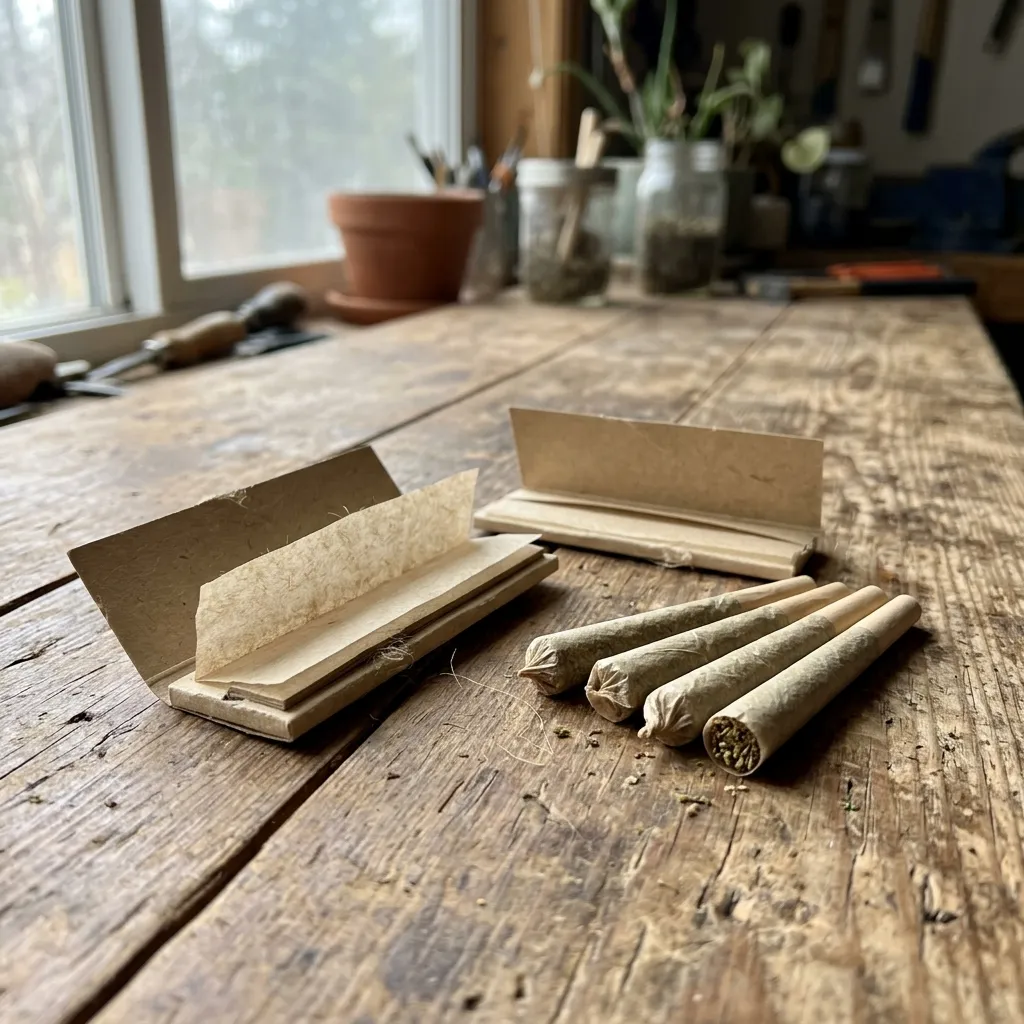
What Does “Better” Mean for Hemp vs Rice?
Lead-in: “Better” without a job description is how buyers pick the wrong hero SKU.
Summary: Score materials on grip, burn, taste, humidity, and skill—not on forum trophies.
| Decision factor | “Better” usually means |
|---|---|
| Skill | Fewer tears while learning |
| Burn | Slower, cleaner session |
| Taste | Less paper flavor |
| Climate | Stable feel in humidity |
| Brand story | Tree-free / natural merchandising |
Key Takeaway: Define the job (learn, flavor-first, humid retail) before you crown hemp or rice.
See material programs at https://ace-rolling.com/custom-rolling-papers/.
When Is Hemp the Better Rolling Paper?
Lead-in: Most first-time rollers fail on ultra-thin sheets, not on “wrong brand.”
Summary: Hemp is typically thicker, more forgiving, mildly earthy, and more humidity-tolerant—Smokery Hub’s quick answer starts beginners here.

| Hemp strength | Practical outcome |
|---|---|
| Medium thickness | Easier grip; fewer tears |
| Medium-slow burn | Balanced everyday sessions |
| Light earthy note | Acceptable if fill is bold |
| Humidity hold | Better in damp climates |
| Brand cue | Strong “natural hemp” shelf story |
Ace hemp OEM fits private-label launches that need sell-through before ultra-thin complexity.
Key Takeaway: Choose hemp when ease and climate stability beat absolute paper invisibility.
OEM hemp paths: https://ace-rolling.com/oem-odm-rolling-paper-manufacturer/.
When Is Rice the Better Rolling Paper?
Lead-in: Experienced rollers often chase paper that “disappears.”
Summary: Rice-style sheets are ultra-thin, slow-burning, and near-neutral in taste—but less forgiving and more moisture-sensitive, matching Smokery Hub’s head-to-head.
| Rice strength | Trade-off |
|---|---|
| Ultra-thin | Tears easier for new rollers |
| Very slow burn | Rewards careful packing |
| Near-neutral taste | Less paper character |
| Translucent look | Premium “thin” cue |
| Dry-climate friendly | Softens in high humidity |
Confirm rice-style availability on Ace samples—do not assume every factory runs the same ultra-thin recipe.
Key Takeaway: Choose rice when slow burn and neutral taste matter more than beginner forgiveness.
Factory sampling context: https://ace-rolling.com/about-factory/.
How Do Burn, Taste, and Grip Compare Side by Side?
Lead-in: Retail buyers need one table they can paste into an internal brief.
Summary: Rice usually wins slow burn and neutral taste; hemp usually wins grip, beginner ease, and humidity—price at quality retail is often similar (~$2–$4 booklet on consumer SERPs), while Ace factory wholesale sits near $0.07–$0.30/booklet with MOQ.

| Feature | Hemp | Rice-style |
|---|---|---|
| Thickness | Medium-thin | Ultra-thin |
| Burn | Medium-slow | Very slow |
| Taste | Light earthy | Near neutral |
| Rolling ease | Beginner-friendlier | Intermediate+ |
| Humidity | Better hold | More sensitive |
| Ace supply | Core OEM fiber | Confirm on samples |
Key Takeaway: Put hemp and rice samples in the same size and gum test—tables do not replace burn trials.
Quality docs: https://ace-rolling.com/quality-certifications/.
Which Should a New Brand Stock First?
Lead-in: Launching both as heroes splits MOQ cash and confuses budtenders.
Summary: Most new private-label programs should start with hemp, then add a rice-style SKU after sell-through data—mirroring “start hemp, graduate to rice” consumer advice, but as a wholesale assortment plan.
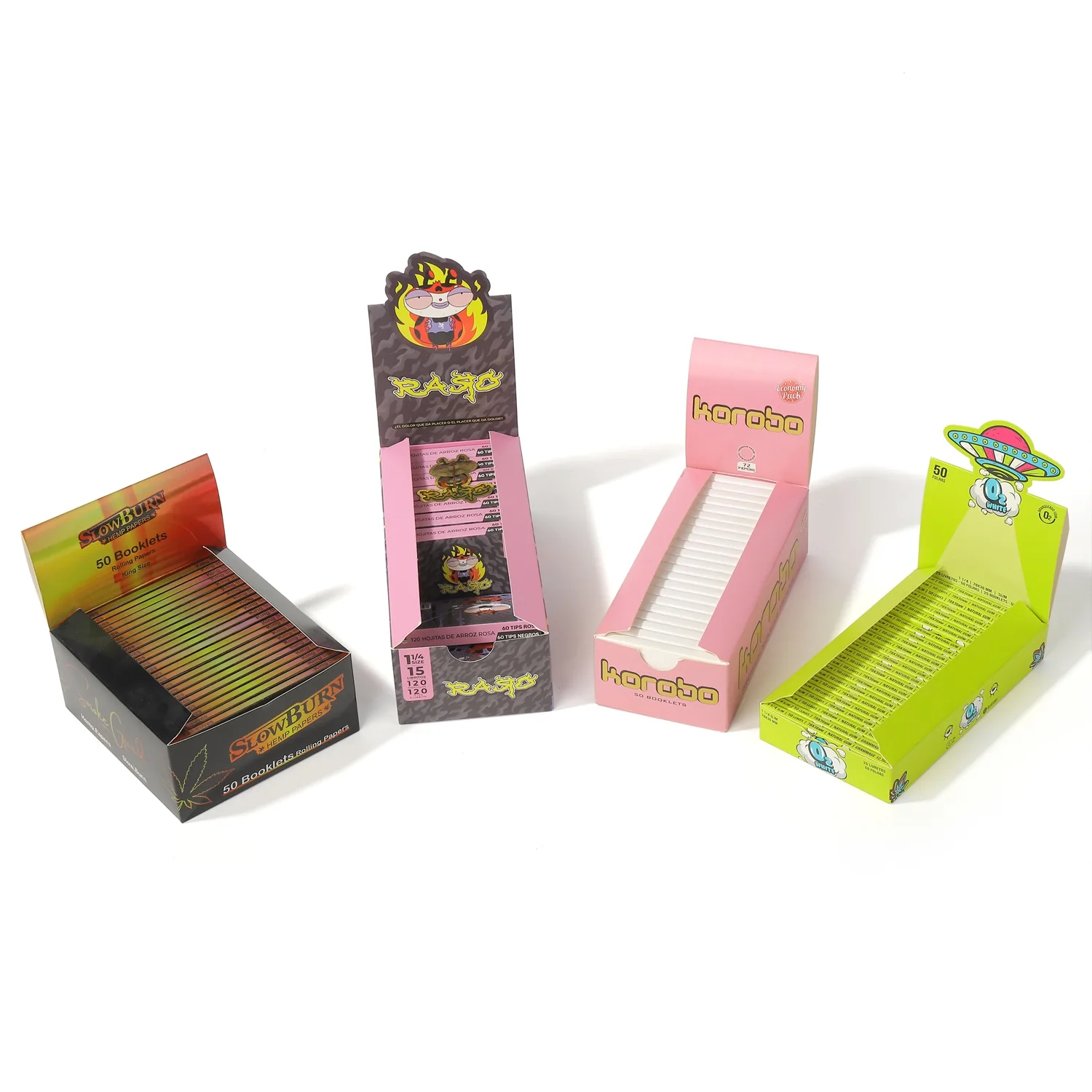
| Brand stage | Better first hero | Why |
|---|---|---|
| New label / one door | Hemp | Easier demos, wider skill range |
| Flavor-focused shop | Rice-style second SKU | After hemp proves velocity |
| Humid market | Hemp | Handling stability |
| Dry, experienced base | Rice-style earlier | Slow-burn demand |
Ace MOQ commonly from about 2,000; concept-to-delivery about two months.
Key Takeaway: One hemp hero + later rice test beats a dual-hero launch on day one.
Cone formats: https://ace-rolling.com/pre-rolled-cones/.
Are Hemp Papers “Healthier” Than Rice?
Lead-in: Searchers mix “better for you” with material preference—factories must not invent medical claims.
Summary: Smokery Hub notes both can be natural/unbleached paths and that neither is clearly healthier. Ace will not claim medical superiority—compare bleach route, additives, and documentation instead.
| Safer merchandising claim | Risky claim to avoid |
|---|---|
| Unbleached / specified bleach route | “Healthiest paper” |
| Food-grade Arabic gum (applicable SKUs) | Disease or detox language |
| Documented fiber | Unproven toxin rankings |
Key Takeaway: Sell burn and handling differences—not unsupported health trophies.
Industrial supply: https://ace-rolling.com/industrial-jumbo-rolls/.
How Should You Source Hemp or Rice from Ace Rolling?
Lead-in: Ace Rolling is a China OEM/private-label manufacturer—not a RAW/Rizla/OCB maker.
Summary: Lock hemp as the default OEM fiber, request rice-style samples if needed, then quote inside $0.07–$0.30/booklet wholesale with MOQ; cones plan about $0.04–$0.06 each.
| Send to Ace | Why it decides hemp vs rice |
|---|---|
| Target user skill | Beginner → hemp bias |
| Climate / channel | Humidity → hemp bias |
| Taste priority | Neutral → rice-style sample |
| Size + print + qty | MOQ and unit cents |
| Destination docs | Claim language limits |
Key Takeaway: Sample both only after the brief names the “better” job you are hiring the paper to do.
Request quotes at https://ace-rolling.com/contact/ and start at https://ace-rolling.com/custom-rolling-papers/.
FAQ
Is hemp or rice rolling paper better to use?
It depends on the job. Hemp is usually better for beginners, grip, and humid conditions with a light earthy note. Rice-style is usually better for ultra-slow burn and near-neutral taste if you can roll thin sheets. Ace Rolling can supply hemp OEM programs and discuss rice-style on samples—confirm both on a retained burn test.
Should beginners buy rice papers?
Most comparison guides recommend starting with hemp because ultra-thin rice tears more easily under pressure. Move to rice after grip and packing feel consistent in dry hands. Brands that teach customers to roll should keep hemp as the default demo paper on the counter.
Which burns slower—hemp or rice?
Rice-style papers generally burn slower because they carry less paper mass along the same length. Hemp usually sits in a medium-slow band that everyday rollers find practical. Always verify on your fill density, because packing tightness changes burn more than the material label alone.
Which tastes more neutral?
Rice-style usually interferes less with fill flavor and reads near tasteless when rolled cleanly. Hemp can add a mild plant-fiber note that some buyers like and others avoid. Run a blind taste test with the same grind before you print “flavorless” claims on packaging.
What should a private-label brand launch first?
Launch hemp first for broader skill coverage and easier retail demos, then add rice-style after velocity data. Ace Rolling commonly plans about 2,000-unit MOQ bands and about two months concept-to-delivery. Keep one retained sample per fiber before scaling art.
How do Ace Rolling prices work for hemp programs?
Ace Rolling wholesale custom booklets typically plan about USD $0.07–$0.30 each with MOQ; cones about $0.04–$0.06 each. Exact cents depend on size, print, and packaging. Send specs through https://ace-rolling.com/contact/ for a dated quotation—not a public price list.