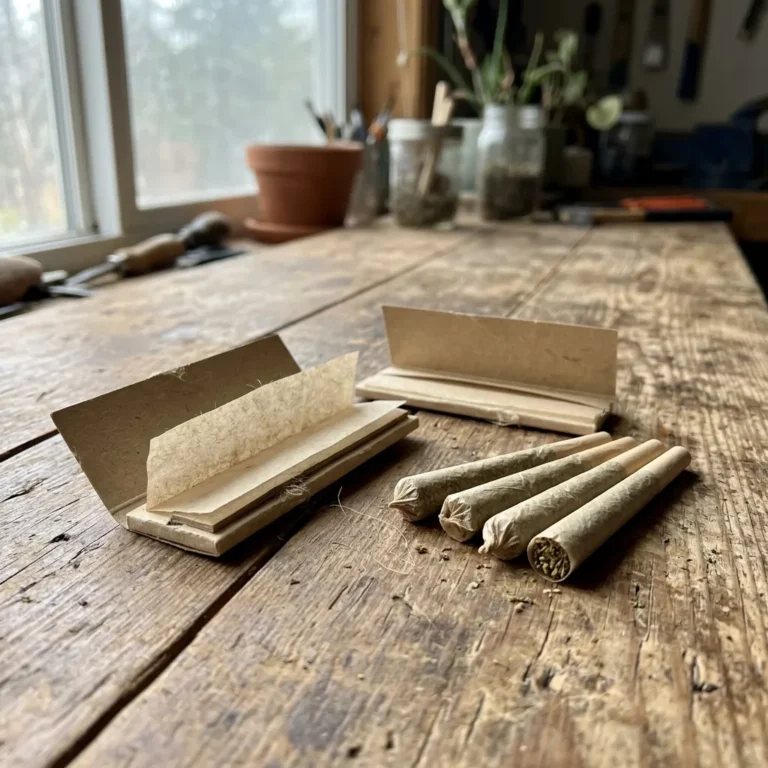

What are natural rolling papers made of? In practical buyer terms, they are thin sheets formed from plant fibers—most often hemp, rice-style fiber, flax, bamboo, or unbleached wood pulp—then finished with a narrow strip of natural gum (commonly Arabic / acacia gum) so the leaf seals. “Natural” usually also means the maker skips flavored coatings and neon dyes, and prefers unbleached color. It describes composition and processing choices, not a guarantee that smoke is medically safe.
Material guides commonly list hemp, rice, flax, bamboo, and wood pulp as the core paper fibers, then warn that bleach, synthetic adhesives, and flavor sprays can sit on top of that fiber base. Read the fiber first; then ask what else was added.
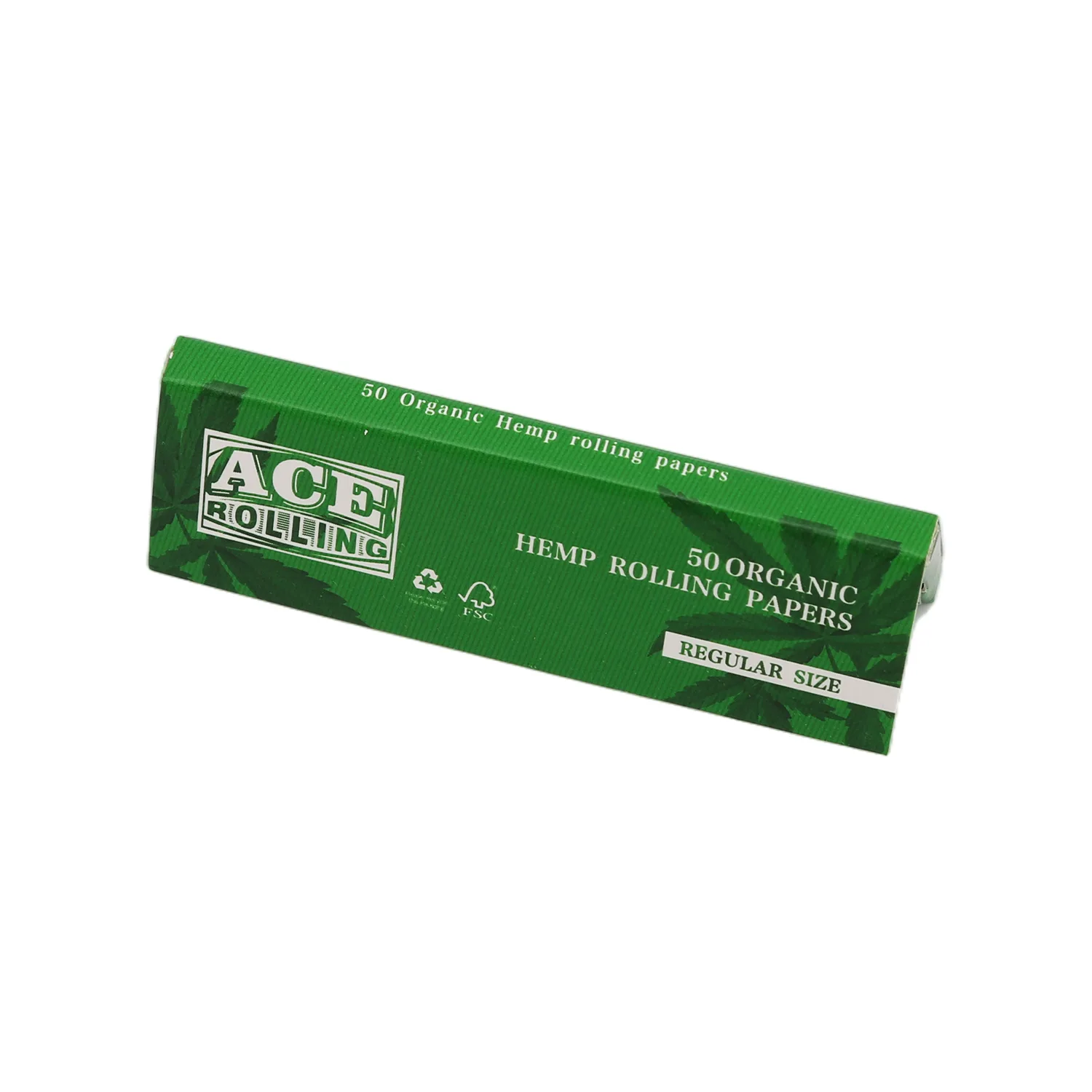
The Core Plant Fibers
| Fiber | Typical role in “natural” papers | Burn / feel notes |
|---|---|---|
| Hemp | Everyday natural hero SKU | Stronger grip; mild earthy note; often sold unbleached |
| Rice-style | Ultra-thin, low paper taste | Minimal ash; fragile; can burn faster if packed poorly |
| Flax | Premium thin / flexible blends | Smooth handling; exact burn depends on the blend |
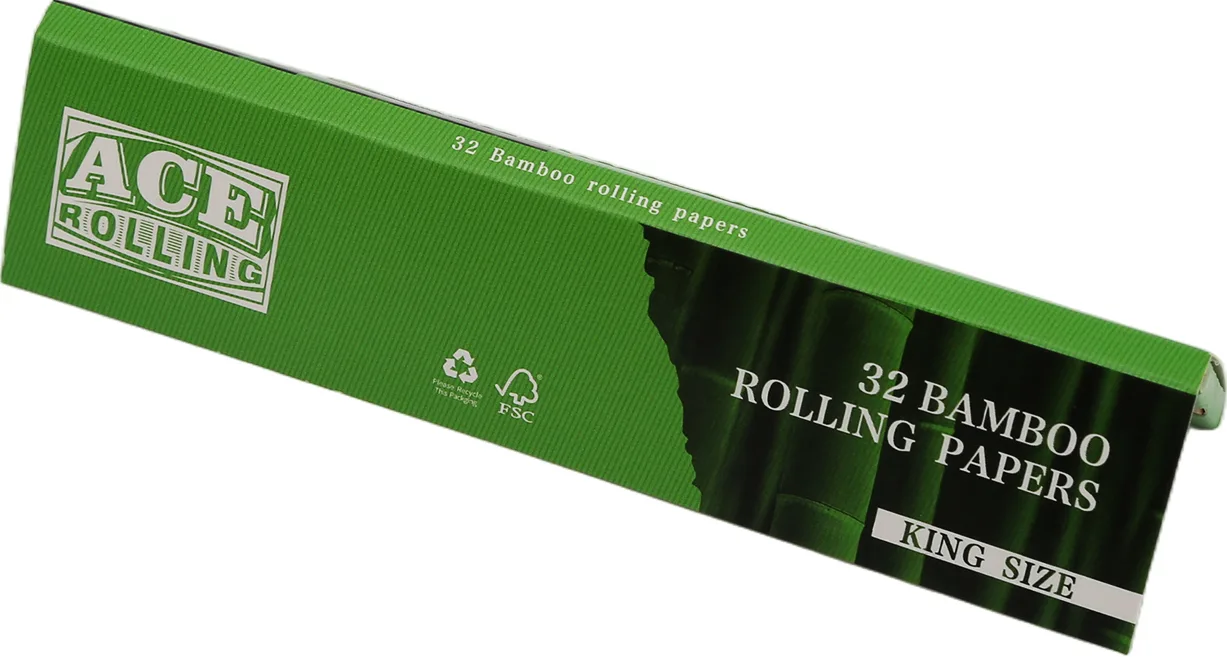
| Bamboo | Renewable plant-fiber lane | Light flavor story; confirm process claims per SKU |
| Wood pulp | Classic strength and structure | Easy to roll; bleached white pulp is what many natural shoppers avoid |
Ace Rolling manufactures rolling papers and cones in hemp, bamboo, and wood pulp directions, with food-grade Arabic gum sealing on applicable programs and FSC-related sourcing messaging where the program supports it. Sample the exact GSM and fiber before you lock a private-label brief.
Hemp
Hemp fiber is plant-based, commonly marketed unbleached, and popular for natural-paper merchandising. Not every “hemp” pack is identical—some are blends, some are thicker, some still use whitening or novelty coatings. Prefer packs that state hemp clearly and stay unflavored if composition purity is your goal.
Rice-style
Rice-style papers are known for ultra-thin sheets and low paper interference. They fit a natural materials story when they stay additive-light, but they demand better rolling technique. Humidity can make thin rice leaves harder to handle.
Flax
Flax fibers are often used in premium thin papers for flexibility and even sheet formation. Some retail lines lead with flax or “natural fiber / flax paper” language. Confirm whether the SKU is flax-forward, a blend, or marketing shorthand.
Bamboo
Bamboo is sold as a renewable plant fiber with a light taste profile. As with any fiber, processing choices matter—ask for bleach intent and gum type on wholesale or OEM orders instead of assuming the word “bamboo” alone answers the keyword.
Wood pulp
Wood pulp is one of the oldest paper bases. Classic bright white booklets often rely on it and may be bleached for color. Unbleached wood pulp can still belong in a natural-spec RFQ, but hemp, rice, flax, and bamboo usually dominate natural merchandising language.
What Else Is in a Natural Paper (Besides Fiber)?
A finished rolling paper is not only pulp. Expect these construction layers:
- Fiber sheet — the plant pulp after washing, forming, pressing, and drying
- Optional watermark — pressure-formed pattern for brand ID / burn cues; not a flavor coating
- Gum line — usually a thin strip of Arabic (acacia) gum on natural-positioned papers
- Packaging — booklet cover, tips, or display carton (separate from the leaf you burn)
Natural-leaning buyers usually want: plant fiber + natural gum + no flavored spray + no decorative leaf dye. They often prefer unbleached color so the sheet skips chlorine whitening steps associated with bright white value packs.
Arabic gum vs mystery adhesive
Natural acacia / Arabic gum is the standard callout for cleaner-spec papers because it is plant-derived and familiar to rollers. Synthetic adhesives can change taste or burn behavior. For OEM, put food-grade Arabic gum into the brief so “natural” is not left to packaging vibe.
What natural papers usually leave out
Composition guides that answer this keyword typically steer shoppers away from:
- Chlorine-style bleaching used only for bright white cosmetics
- Artificial flavor coatings sprayed onto the leaf
- Heavy decorative dyes on the smoking surface
- Unnamed burn fillers when transparency is missing
Palm leaf wraps are a different category (whole leaf wraps, often glue-free) promoted by some consumer brands as an alternative to paper. They are not the same product as thin rolling paper booklets. Ace Rolling’s core programs are rolling papers and pre-rolled cones in pulp/fiber constructions—not palm-leaf wrap manufacturing claims.
How Plant Fibers Become Rolling Paper
Factory explainers usually describe the same broad path, whether the fiber is hemp, flax, bamboo, rice-style, or wood pulp:
- Pulping / fiber preparation — soften and refine plant fibers into a uniform pulp
- Washing / dilution — clean and suspend fibers in water for sheet forming
- Sheet formation — fibers settle on a forming wire; water drains; rollers press the web
- Drying — heated cylinders set thickness and moisture
- Optional watermarking — high-pressure rollers stamp a pattern
- Gumming — apply the adhesive line
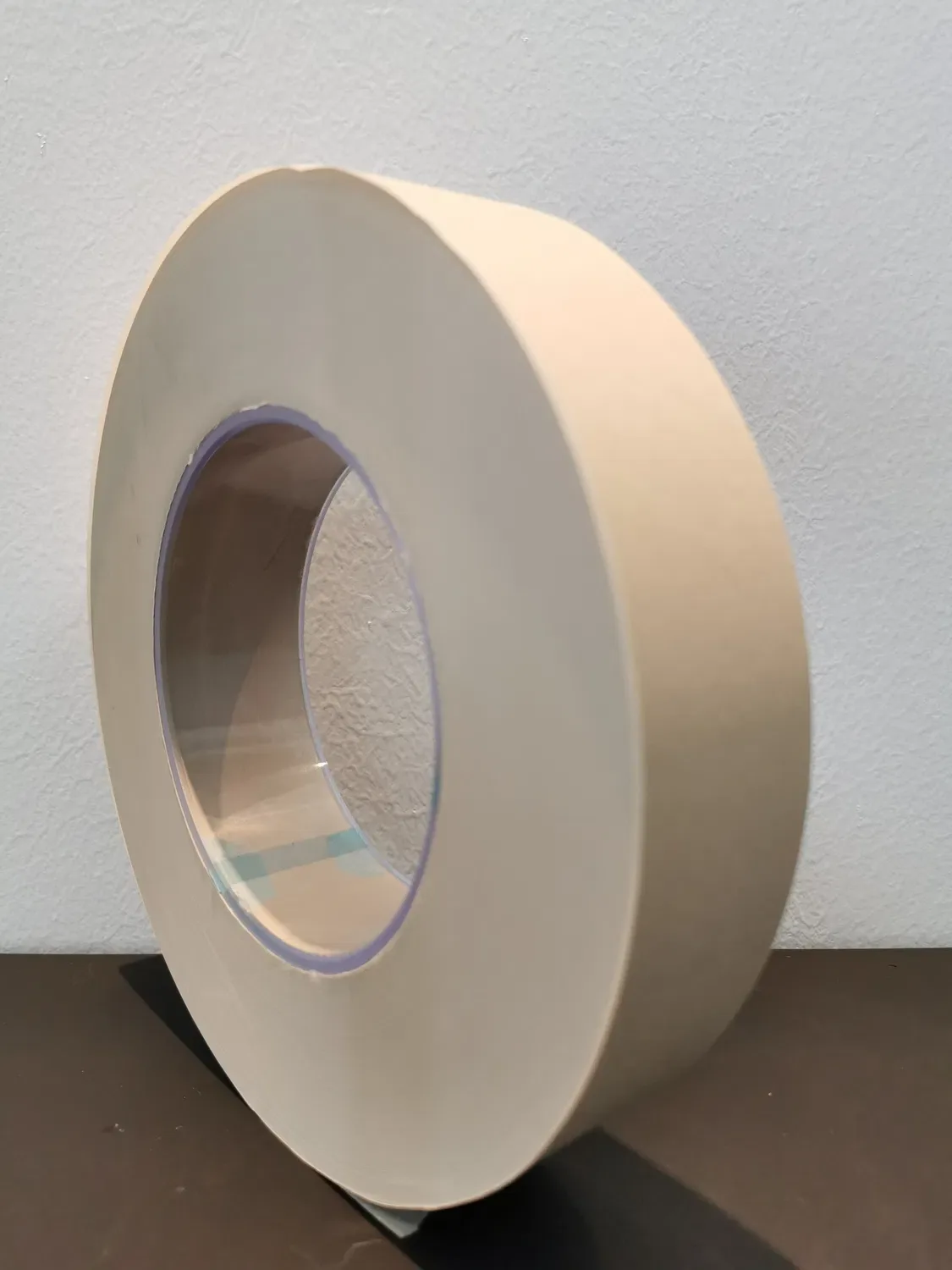
- Slitting / cutting / packing — booklets, cones, or industrial bobbins for converters
Ace Rolling works with industrial paper supply for premium thin constructions (including ultra-thin 10gsm messaging on applicable lines) and can ship booklet, cone, and bobbin formats depending on the program. Request samples so fiber feel, gum, and burn match your brand story before mass production.
How Composition Changes the Session
Fiber choice changes more than marketing copy:
- Taste — rice-style tends to stay quiet; hemp can show a mild plant note; thick pulp tastes more “papery”
- Burn — thickness, density, and packing matter as much as the fiber name
- Ash — thinner sheets usually leave less paper ash
- Rollability — hemp/bamboo/pulp are often easier than ultra-thin rice
If your priority is natural composition, start with named plant fiber + natural gum + unflavored + preferably unbleached, then sample burn with your typical fill.
Buyer Checklist: Confirm What It Is Made Of
- Fiber named on pack or COA-style note (hemp / rice / flax / bamboo / pulp)
- Unbleached or process intent stated when color matters to you
- Gum called out as Arabic / acacia / plant gum
- Unflavored leaf (no candy coating)
- No neon smoking-surface dyes for the natural hero SKU
- Sample kit tested before wholesale or private-label artwork lock
Ace Rolling custom programs commonly start around 2,000 units. Sample kits are available so you can compare materials. Concept-to-delivery for private label is often planned around about two months; mass production after approvals commonly runs on a roughly four-to-five-week factory rhythm depending on complexity.
Bottom Line
Natural rolling papers are made primarily of plant fibers—especially hemp, rice-style, flax, bamboo, or unbleached wood pulp—with a natural gum seal and, in the cleanest reading of the keyword, no flavored coatings or decorative dyes. Processing (bleach, fillers, adhesives) is the second half of the answer. Ace Rolling can OEM hemp, bamboo, and wood-pulp papers and cones with food-grade Arabic gum on applicable programs—confirm the exact bill of materials on your samples.
FAQ
What are natural rolling papers made of?
They are usually thin sheets made from plant fibers such as hemp, rice-style fiber, flax, bamboo, or unbleached wood pulp, finished with a natural Arabic gum line. Natural-leaning SKUs typically skip flavored coatings and bright decorative dyes. Confirm fiber and gum on the exact booklet or cone you buy, because “natural” on a carton is not a regulated lab seal.
Is hemp the only natural rolling paper material?
No. Hemp is the most common natural merchandising fiber, but rice-style, flax, bamboo, and unbleached wood pulp are also sold as natural-paper materials. Each fiber changes rollability, taste, and burn feel. Choose based on your packing style and sample tests, not on one fiber name alone.
Do natural rolling papers still use glue?
Most booklet and cone papers use a thin gum line so the leaf seals. Natural-positioned papers usually call for plant-based Arabic (acacia) gum rather than unnamed synthetic adhesive. Glue-free palm leaf wraps are a different product category from thin rolling papers. For OEM papers, request food-grade Arabic gum in the brief.
Can Ace Rolling customize natural-fiber papers?
Yes. Ace Rolling manufactures OEM and private-label rolling papers and cones in hemp, bamboo, and wood-pulp directions, including unbleached and ultra-thin options with food-grade Arabic gum on applicable programs. Request samples and written composition notes before bulk. Share fiber goals, size, quantity, and destination for a quote.