
What gum Arabic is used on rolling papers? For B2B buyers it is usually food-grade acacia gum applied as a seal strip—verify grade docs and strip QC on your SKU, not health claims.
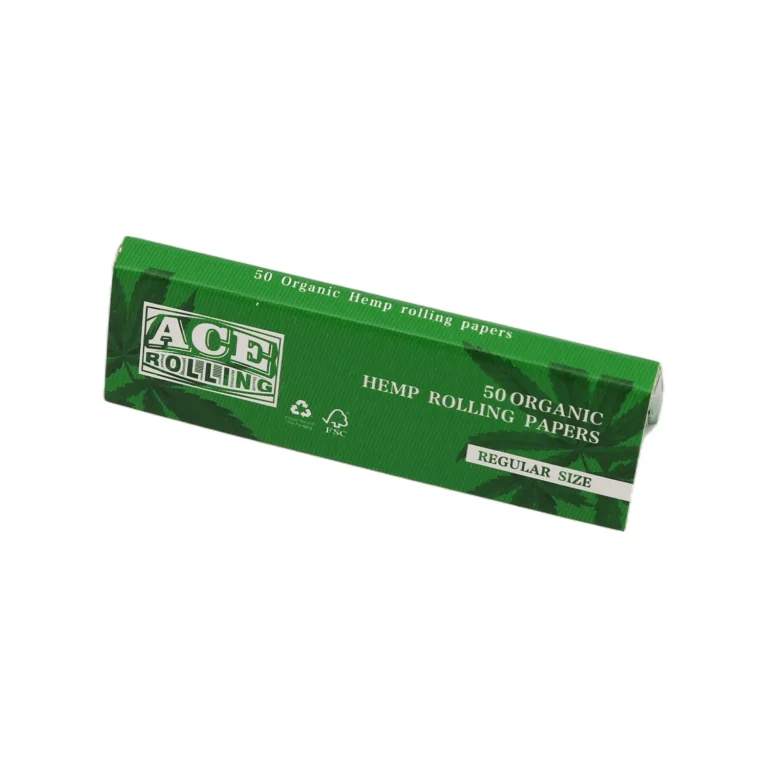
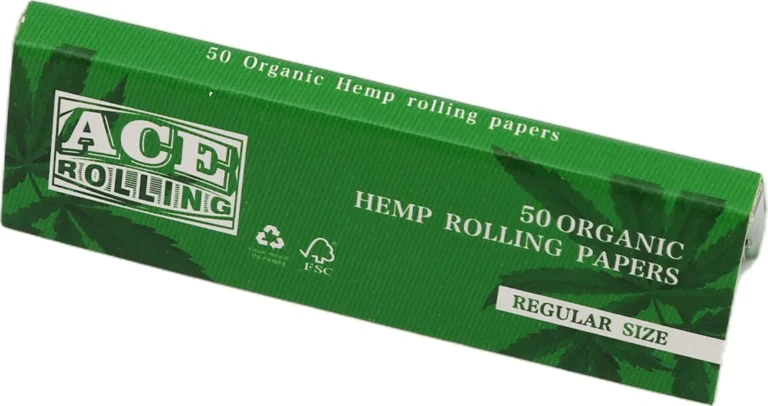
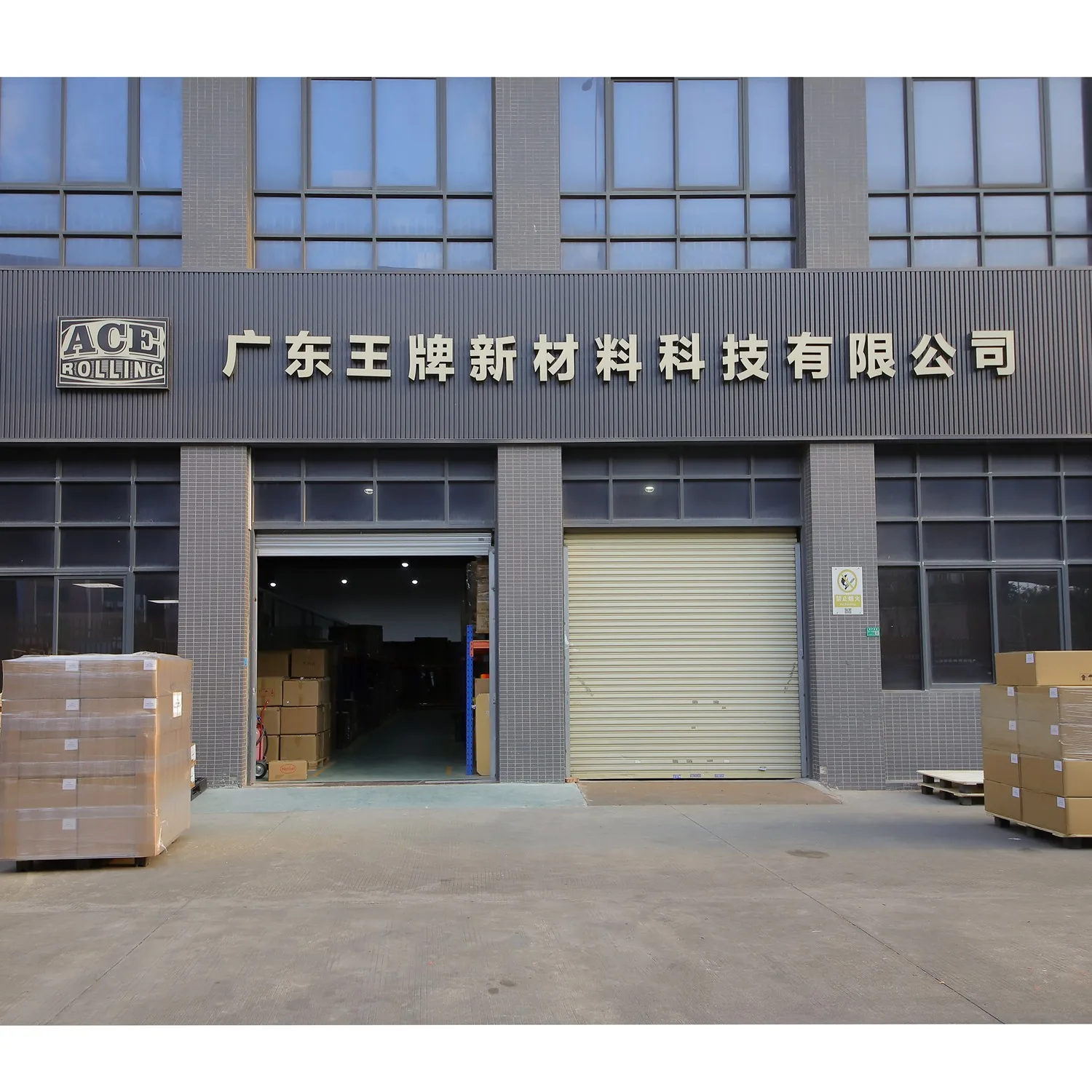
Private-label and wholesale buyers evaluate gum as a converting and seal-performance spec. Ace Rolling (Dongguan, China OEM) states food-grade Arabic gum on applicable papers, runs under ISO 9001:2015, and quotes booklets ~USD $0.07–$0.30 and cones ~$0.04–$0.06 with MOQ—without medical claims. Ace does not make RAW, Rizla, or OCB.

What Is Gum Arabic (Acacia) on Rolling Papers?
Lead-in: Buyers ask “what gum” when seals fail or labels claim food-grade.
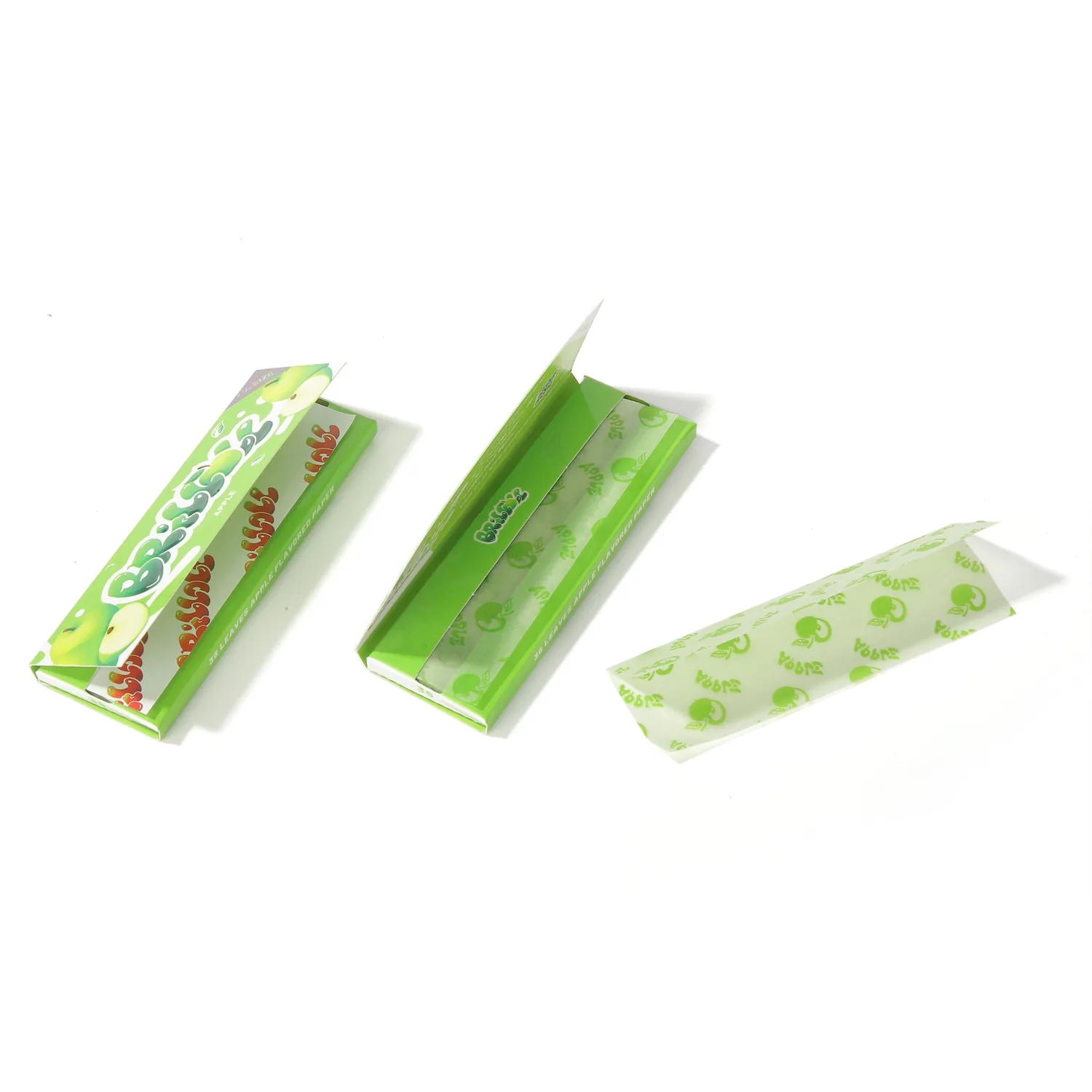
Summary: Gum Arabic (acacia gum) is the common plant-derived adhesive used as the lickable/seal strip on many rolling papers. Competitor glue pages (for example TRPC-style educational pages) often describe gum as a manufacturing component—attribute their claims to their site when you cite them. Ace’s claim is food-grade Arabic gum on applicable papers.
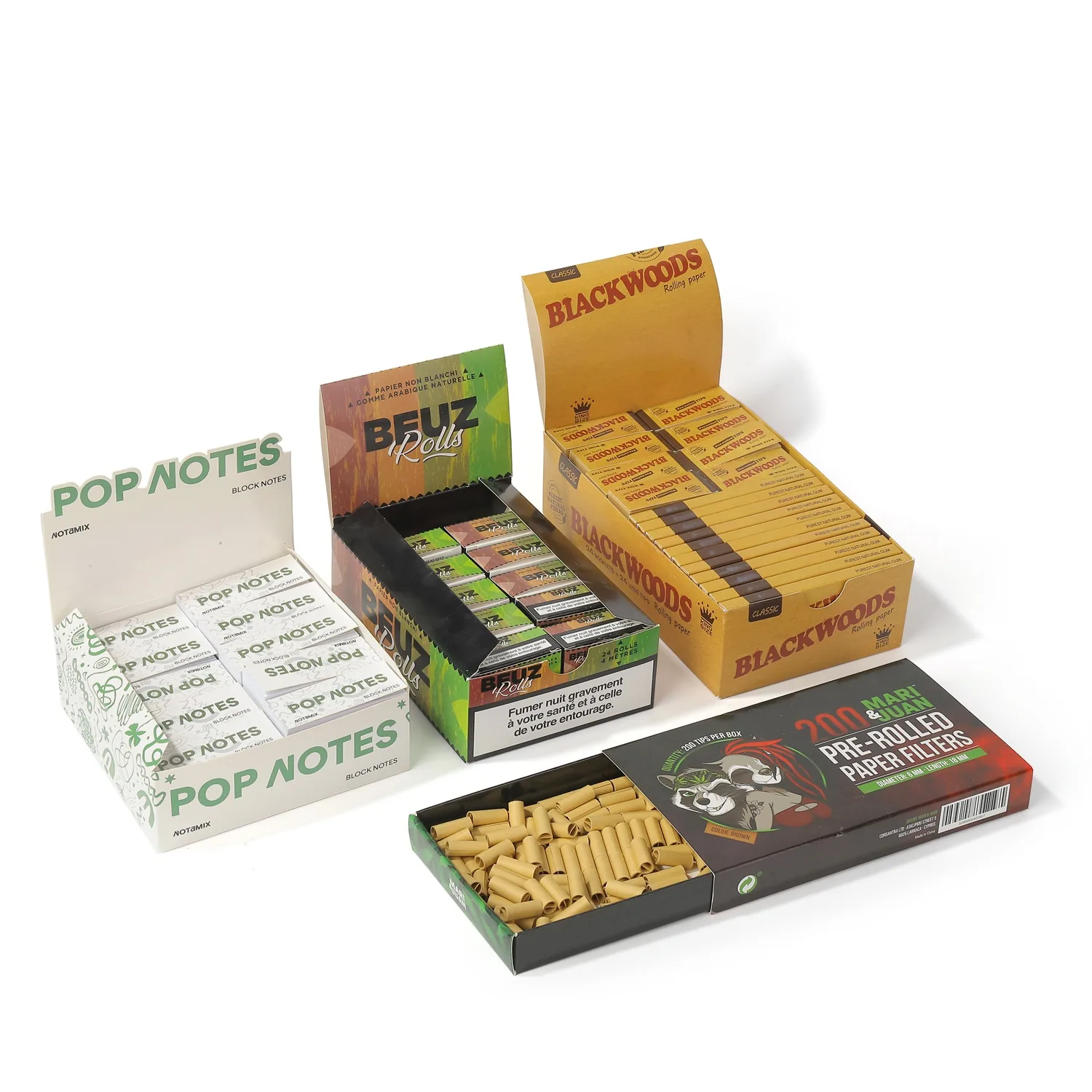
| Term | Buyer meaning |
|---|---|
| Gum Arabic / acacia | Common seal gum type |
| Food-grade claim | Material grade documentation |
| Gum strip | Applied adhesive line |
| Applicable papers | Not every SKU automatically |
Key Takeaway: “Gum Arabic” names the adhesive family—still ask for grade docs per SKU.
Quality: https://ace-rolling.com/quality-certifications/.
Why Do Factories Prefer Arabic Gum for the Seal Strip?
Lead-in: Converting plants choose gums that coat, dry, and reseal consistently.
Summary: Acacia gum is widely used because it coats thinly, activates with moisture, and fits high-speed gumming lines. That is a process reason—not a health ranking. Ask how the strip is applied and inspected, not for wellness language.

| Factory priority | What to ask |
|---|---|
| Coat weight | Target + tolerance |
| Activation | Sample seal feel |
| Line speed | Defect rate notes |
| Drying | Blocking / transfer |
Key Takeaway: Prefer process answers over “best gum” slogans.
Custom: https://ace-rolling.com/custom-rolling-papers/.
What Does “Food-Grade” Mean on Ace Applicable Papers?
Lead-in: Food-grade is a material claim scope—not a smoking-safety certificate.
Summary: Ace states food-grade Arabic gum on applicable papers. That means the gum grade is positioned for food-contact-style material claims where applicable—not a medical endorsement. Confirm which SKUs are covered on your quotation and document pack.
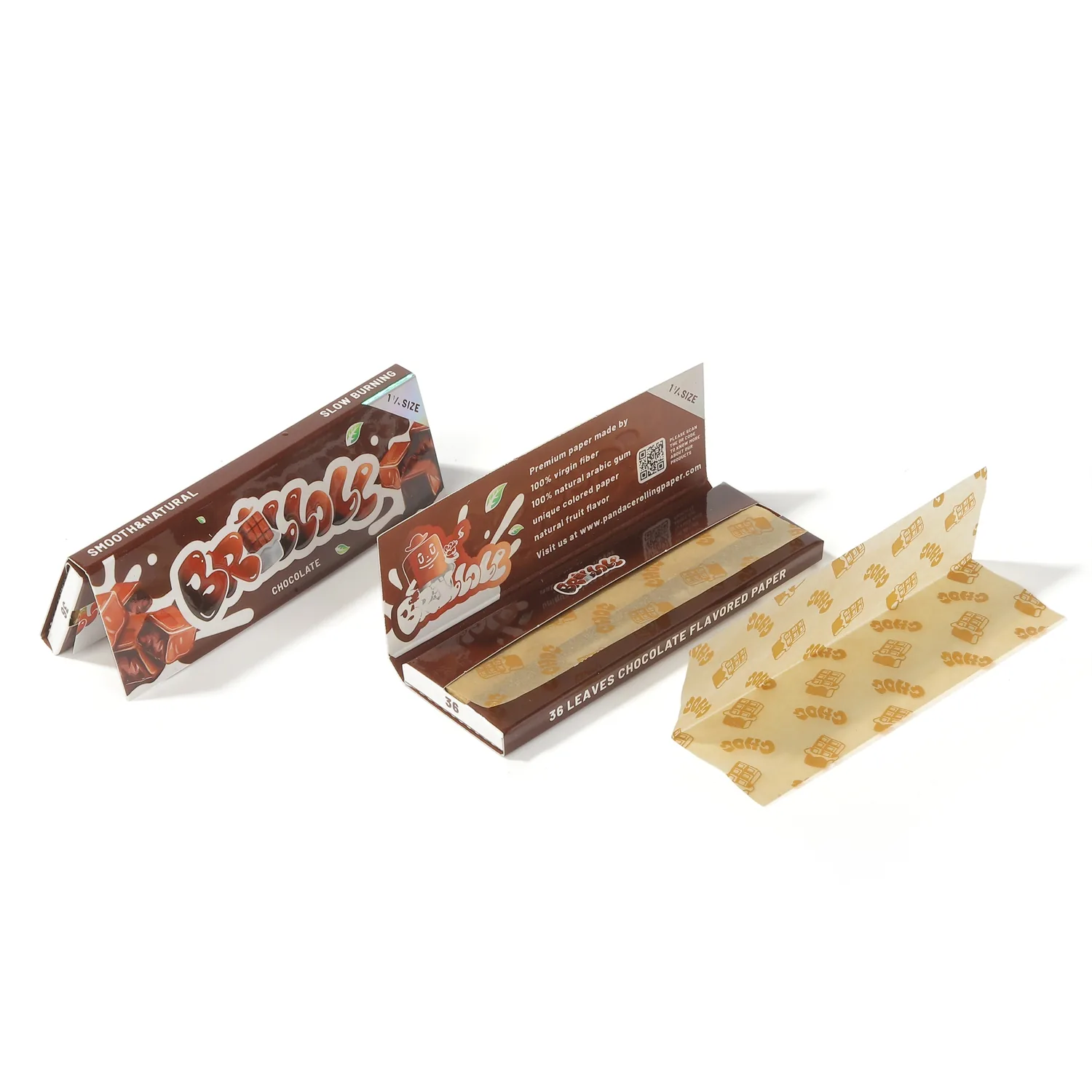
| Claim | Correct buyer read |
|---|---|
| Food-grade gum | Material grade on applicable SKUs |
| FDA-approved smoke | Not an Ace claim |
| Healthier seal | Avoid |
| All SKUs identical | Confirm per quote |
Key Takeaway: Match packaging language to the documents Ace issues for that SKU.
Quality: https://ace-rolling.com/quality-certifications/.
Which Strip QC Checks Should Buyers Request?
Lead-in: Gum problems show up as weak seals, over-gumming, or transfer.
Summary: Sample seal strength, strip width consistency, blocking in the booklet, and transfer onto facing sheets. Keep retains from approved lots. Pair gum QC with paper GSM and print checks.
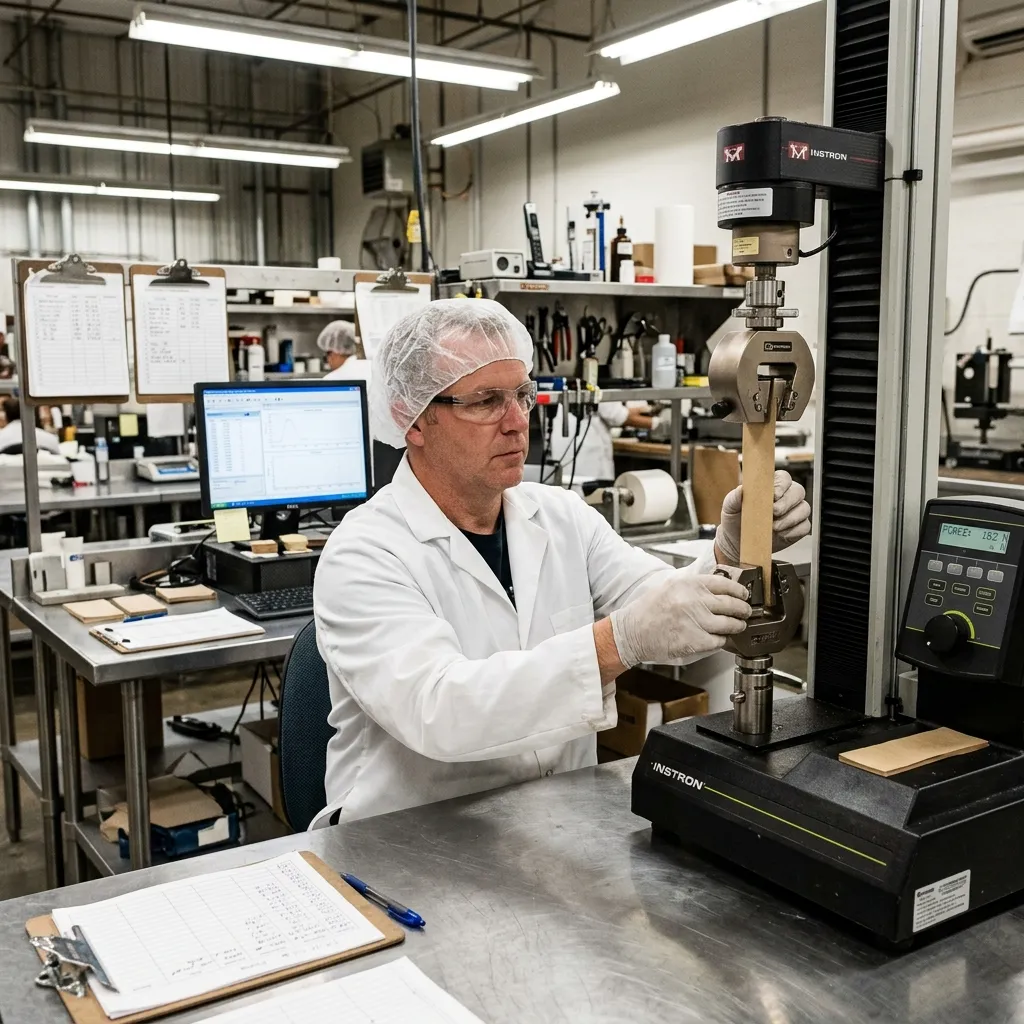
| QC check | Pass cue |
|---|---|
| Seal | Holds after activation |
| Strip width | Even, on-spec |
| Blocking | Sheets separate cleanly |
| Transfer | No smear onto faces |
| Retain | Matches mass lot |
Key Takeaway: Gum QC is a retain ritual—not a homepage checkbox.
OEM: https://ace-rolling.com/oem-odm-rolling-paper-manufacturer/.
What Questions Should You Ask Any Rolling Paper Factory?
Lead-in: Gum RFQs work best as a short document checklist.
Summary: Ask gum type, food-grade documentation, which SKUs it applies to, strip application method, and sample retain policy. Ask about ISO and optional FSC separately—Ace uses ISO 9001:2015; FSC is optional, not every SKU.
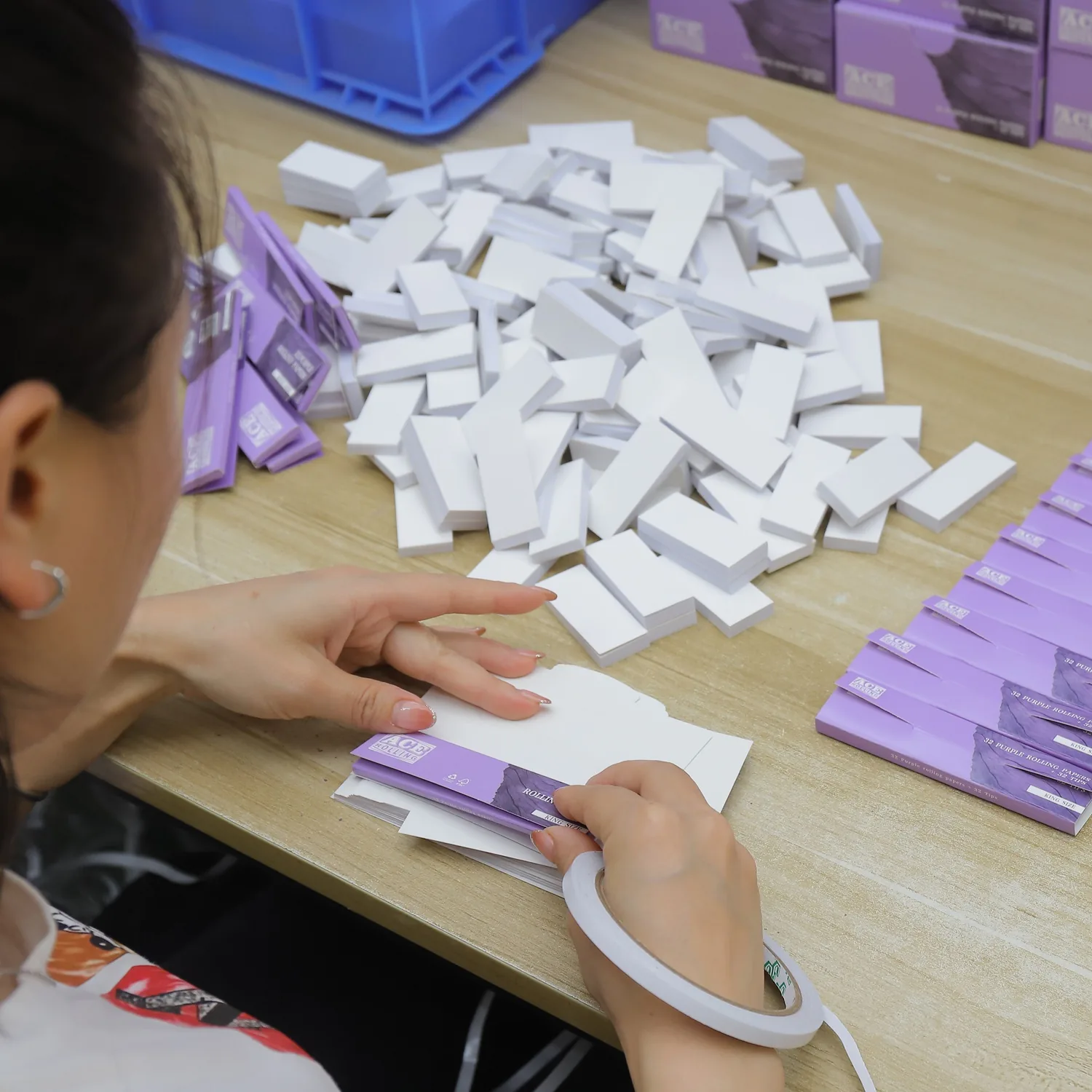
| Question | Why |
|---|---|
| Gum type + grade docs? | Claim control |
| Applicable SKUs? | Avoid over-claim |
| Strip QC method? | Defect prevention |
| Retain policy? | Mass match |
| ISO / FSC scope? | Separate stacks |
Key Takeaway: Write gum questions into the RFQ template once—and reuse them.
Factory: https://ace-rolling.com/about-factory/.
How Does Gum Spec Affect Price and Timeline?
Lead-in: Standard food-grade Arabic gum rarely dominates unit cost; special requests can.
Summary: Ace booklet bands ~$0.07–$0.30 and cone bands ~$0.04–$0.06 usually move more with print and pack-out than with standard gum. Special gum requests, extra tests, or unique strip patterns can add lead time. Plan ~2 months concept-to-delivery; mass ~4–5 weeks after approvals.
| Driver | Typical impact |
|---|---|
| Standard Arabic gum | Baseline |
| Extra gum tests | Time / cost |
| Complex print | Larger price move |
| Pack-out | Larger price move |
Key Takeaway: Treat gum as a quality line—not the whole quote story.
Custom: https://ace-rolling.com/custom-rolling-papers/.
How Do You Confirm Gum Specs with Ace Rolling?
Lead-in: Soft-sell: ask for applicable-paper gum docs with your sample request.
Summary: Send size, fiber, print, pack-out, qty, destination, and gum documentation needs. Ace China OEM private label—not RAW/Rizla/OCB.
| Step | Action |
|---|---|
| 1 | Ask gum type + grade docs |
| 2 | Confirm applicable SKUs |
| 3 | Sample seal / blocking |
| 4 | Quote Ace bands |
| 5 | Mass with matching retains |
Key Takeaway: Gum Arabic on Ace papers is a documented strip spec you verify—then soft-sell into MOQ.
Start at https://ace-rolling.com/contact/.
FAQ
What gum Arabic is used on rolling papers?
Most rolling papers use gum Arabic (acacia gum) as the seal strip adhesive. B2B buyers should ask for the grade documentation that applies to their exact SKU. Ace Rolling states food-grade Arabic gum on applicable papers and confirms scope on the quotation—without medical claims.
Is food-grade gum the same as a health claim?
No. Food-grade describes a material grade framework for the gum used on applicable papers only. It is not a claim that smoking is safe, healthier, or medically approved. Keep packaging and ads aligned with the documents you hold—not wellness language.
How should I QC the gum strip on samples?
Check seal hold after activation, strip width consistency, booklet blocking, and transfer onto facing sheets under your normal humidity. Keep retains from the approved lot for comparison against mass production. Reject lots that pass photos but fail seal feel in hand.
Does every Ace SKU use the same gum claim?
Ace positions food-grade Arabic gum on applicable papers—confirm which SKUs are covered for your exact order and pack claim. FSC is likewise an option, not automatic on every SKU. Put both gum and FSC questions on the written quote before artwork freeze.
Do gum choices change Ace wholesale prices much?
Standard gum is usually a smaller driver than print depth and packaging complexity. Ace booklets typically plan about USD $0.07–$0.30 and cones about $0.04–$0.06 with MOQ. Special tests or non-standard gum requests can add time and cost, so ask early on the RFQ.
How do I ask Ace about gum Arabic for my private label?
Include gum documentation needs with size, fiber, print, pack-out, quantity, and destination at https://ace-rolling.com/contact/. Request samples and retains before any mass deposit. Expect about two months concept-to-delivery planning, with mass often four to five weeks after approvals on a dated quote.