
How are Rizla papers made? According to Rizla’s own production explainer, they are converted in the brand’s Belgium factory (Wilrijk, Antwerp district) from thin mother rolls into gummed bobbins, rested in a 21°C conditioned room, wrapped into standard trays, packed into booklets, then shipped through regional depots. The gum strip is prepared on site from acacia resin Rizla says is sourced from Sudan.
Ace Rolling does not manufacture Rizla. Ace is a Dongguan OEM/ODM maker of its own Signature and private-label papers and cones. This article summarizes Rizla’s published process for searchers, then notes how the same industry stages work when brands OEM elsewhere.
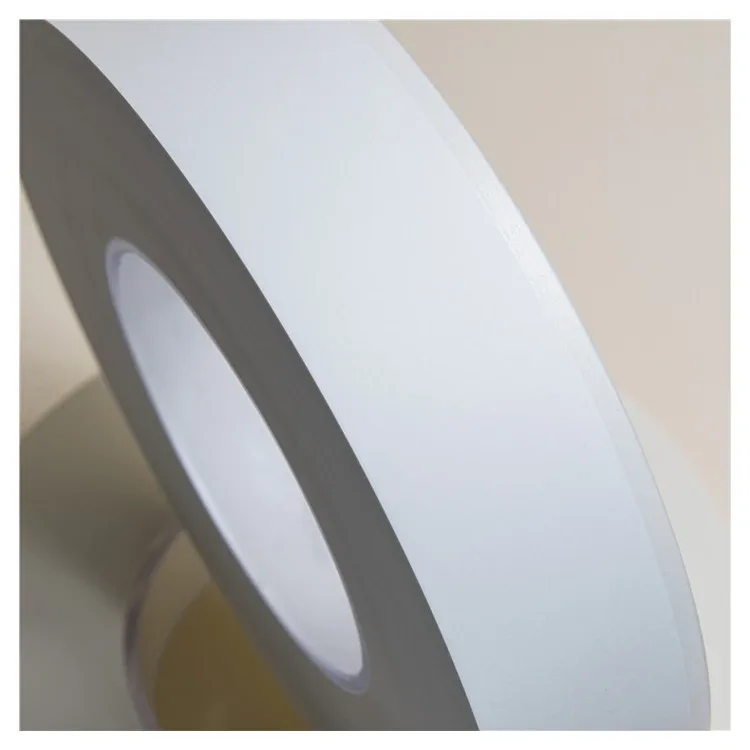
Short Answer (Rizla’s Published Path)
| Stage | What Rizla describes |
|---|---|
| Factory | Only production hub in Wilrijk (Antwerp), Belgium |
| Scale (as stated) | About 50 million papers/year; about 225 employees |
| Gum | Sudan acacia resin → dried, granulated with ~70°C water + additives, settled |
| Mother roll | ~5,000 yards, ~70 kg thin paper; machines handle ~10,000 m rolls |
| Bobbins | Mother roll slit to width; gum applied during cutting |
| Conditioning | Rest several days at constant 21°C |
| Wrapping | Coils joined for strength; bundled into 36 mm × 70 mm trays |
| Packaging | Bundles packed into booklets |
| Distribution | On-site warehouse → Bornem (BE/LU), Roosendaal, Nottingham (UK) depots |
Figures and locations above come from Rizla’s “How are Rizla Rolling Papers Made” page—not from Ace factory data.
Step Into the Rizla Factory (Belgium)
Rizla frames Belgium—not a multi-country converting network—as where cigarette papers’ journey “kicks off,” with HQ/production in Wilrijk. The brand calls it the only factory supporting global distribution from that hub. Treat headcount and annual leaf counts as brand-published approximations that can change over time; check Rizla’s latest page if you need current PR figures.
Step 1: Gum Preparation
The lickable edge is not an afterthought. Rizla says it uses gum from Sudan acacia (resin from acacia bark). On site, the gum is dried, turned into granulate with help of about 70°C water and additives, then left to settle so impurities drop out before use.
Industry-wide, Arabic / Acacia gum is the common natural seal. Ace Rolling also specifies food-grade Arabic/Acacia gum on applicable programs—but Ace’s gum supply story is separate from Rizla’s Sudan narrative.
Step 2: The Mother Roll → Bobbins
Paper arrives as a mother roll—Rizla cites roughly 5,000 yards, extremely thin, about 70 kg. Cutting machines (described as handling nearly 10,000 meters) slit that wide roll into narrower bobbins that set the finished leaf width. During cutting, the gum layer is applied to the bobbins.
That slit-and-gum converting step is the industrial heart of booklet papers across the category—not unique marketing poetry.
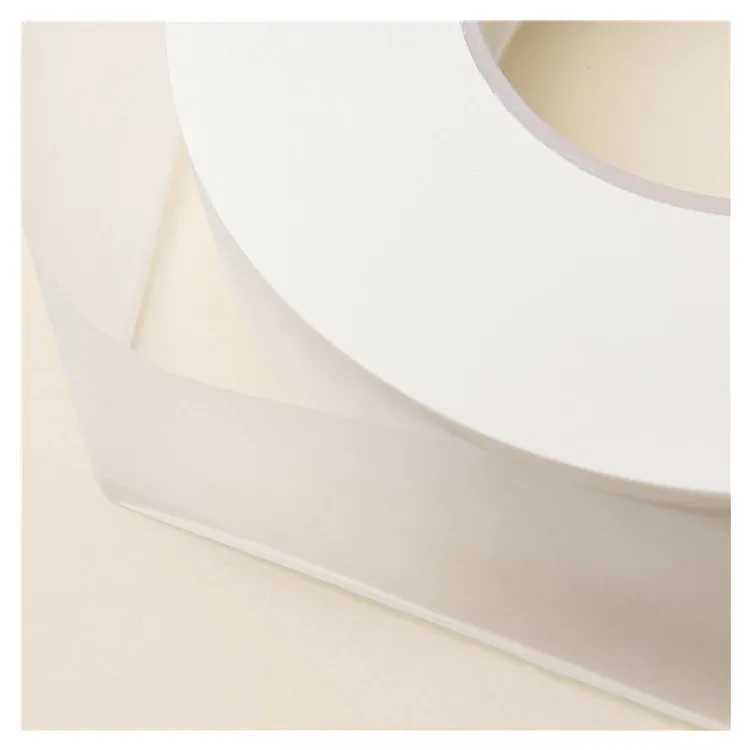
Step 3: Conditioning the Bobbins
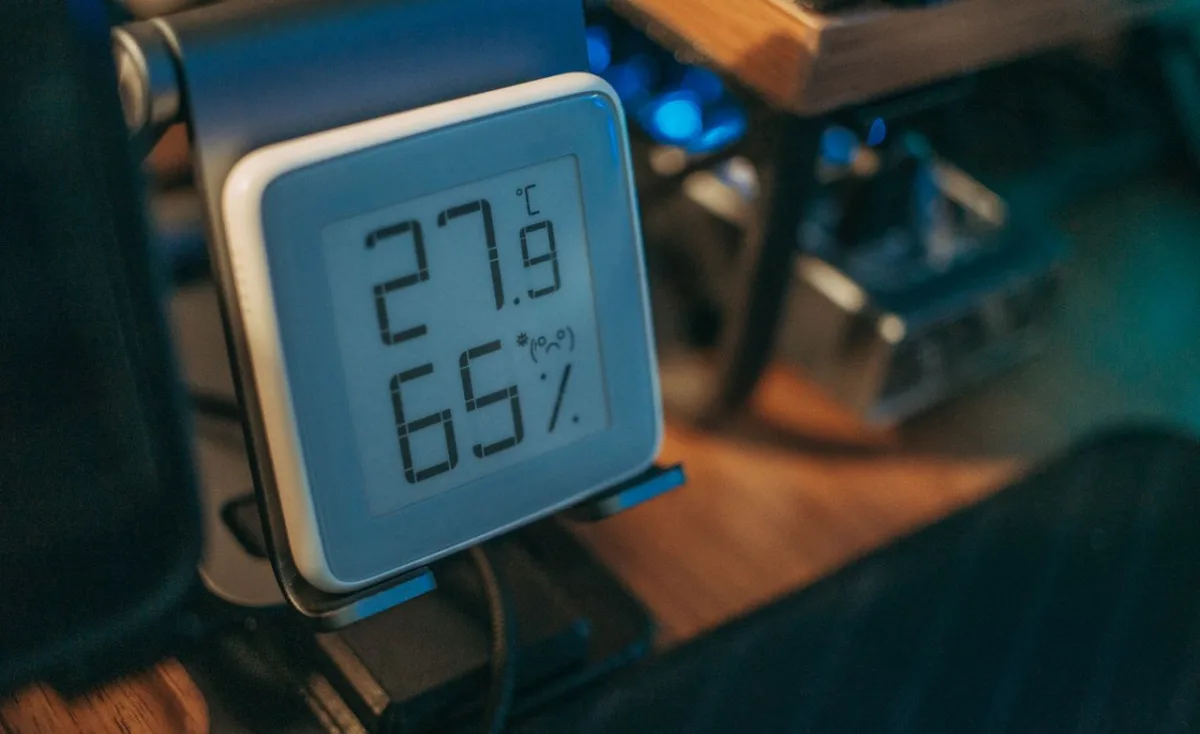
After cutting and gumming, bobbins rest for a few days in a conditioned storage room held at a constant 21°C. Stable temperature (and humidity discipline in general) keeps gum and paper from fighting the next high-speed stages. Skipping rest shows up later as curl, gum issues, or line jams.
Step 4: Wrapping
Rizla describes wrapping as the step that builds robustness: several coils join together. The brand notes this is delicate—and a common cause of machine stops when paper breaks. Output is bundled into 36 mm × 70 mm trays, which Rizla calls the standard size buyers receive for those papers.
Exact SKU sizes vary across Rizla’s wider range; the published tour uses that tray dimension as the worked example.
Step 5: Packaging Into Booklets
Bundles are packed into booklets. Rizla says it has been integrating wrapping and packaging to improve efficiency, flexibility, delivery time, and waste. Interleaved booklets are the consumer form most people recognize.
Step 6: Worldwide Distribution
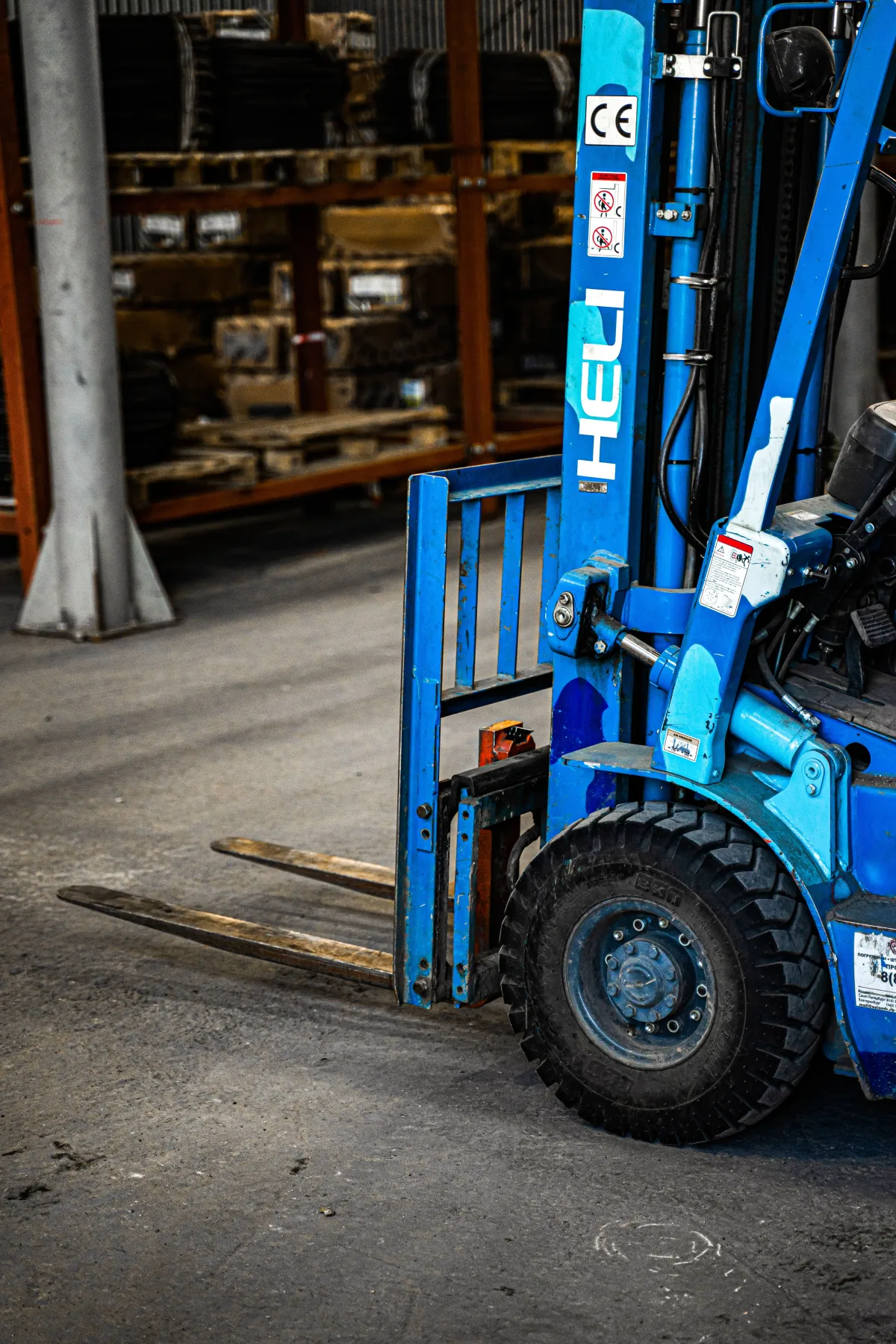
Finished goods move from the on-site warehouse to depots: Rizla names Bornem (Antwerp) for Belgian and Luxembourgish markets, plus warehouses in Roosendaal and Nottingham, UK for wider reach. From there, papers go to retail.
A Short History Context (Still Not the Machine Steps)
Rizla’s same article ties the brand story across countries: roots with the Lacroix family in southern France (1886 era naming around “Riz” / rice + Lacroix), factory opening in Belgium (1959), and UK presence from 1994. History explains the brand; the six factory steps explain how today’s leaves are made.
Other Rizla pages note rice-paper heritage in the name and later gummed edges as brand milestones. Line-by-line fiber for every current SKU (rice vs hemp vs other) is not fully spelled out in the manufacturing tour—read each pack for the SKU you buy.
Rizla Process vs Generic Converting vs Ace OEM
| Topic | Rizla (published) | Typical OEM / Ace path |
|---|---|---|
| Who makes it | Rizla’s Belgium factory | Ace Dongguan converting for Ace/OEM brands |
| Makes Rizla? | Yes | No |
| Gum | Acacia story (Sudan per Rizla) | Arabic/Acacia on applicable Ace programs |
| Core flow | Mother roll → gummed bobbin → condition → wrap → booklet → ship | Same industry stages; specs set by buyer brief |
| Custom private label | Rizla brand system | Ace white-label / custom OEM from ~2,000 units |
If you searched this keyword because you want papers made like a factory brand under your logo, you need an OEM partner—not Rizla’s consumer line. Ace Rolling runs brief → sample → sign-off → scale for private-label booklets and cones.
Bottom Line
Rizla papers are made—per Rizla’s public factory tour—by preparing acacia gum, slitting mother rolls into gummed bobbins, conditioning them at 21°C, wrapping into trays, packing booklets, and shipping from Belgian and UK-linked depots, all centered on the Wilrijk plant. Ace Rolling does not produce Rizla; Ace manufactures Signature and OEM papers through the same broad converting logic for brands that want their own label.
FAQ
How are Rizla papers made?
Rizla’s published process covers gum preparation, mother-roll slitting into gummed bobbins, several days of 21°C conditioning, wrapping into trays, booklet packaging, and depot distribution from the Belgium factory hub. Ace Rolling does not manufacture Rizla papers. The steps mirror industry converting used by other booklet makers.
Where are Rizla rolling papers manufactured?
Rizla states production happens at its factory in Wilrijk (Antwerp district), Belgium, described as the brand’s only factory for global supply. History notes earlier French roots and later UK commercial presence. Confirm any newer facility claims on Rizla’s current site if you need absolute logistics detail.
What gum does Rizla use on its papers?
Rizla says the seal strip uses gum from Sudanese acacia resin, processed on site into a granulate with warm water and additives, then settled to remove impurities. Natural Arabic/Acacia gum is also common across premium OEM papers. Ace uses Arabic/Acacia gum on applicable programs but is not Rizla’s supplier story.
Does Ace Rolling make Rizla or Rizla-style private label?
Ace Rolling does not make Rizla. Ace manufactures its own Signature Collections and custom OEM/ODM booklets and cones for other brands, commonly from about 2,000 units MOQ after samples. If you want a private-label line, request a brief-based quote—do not expect Rizla trademarked products from Ace.