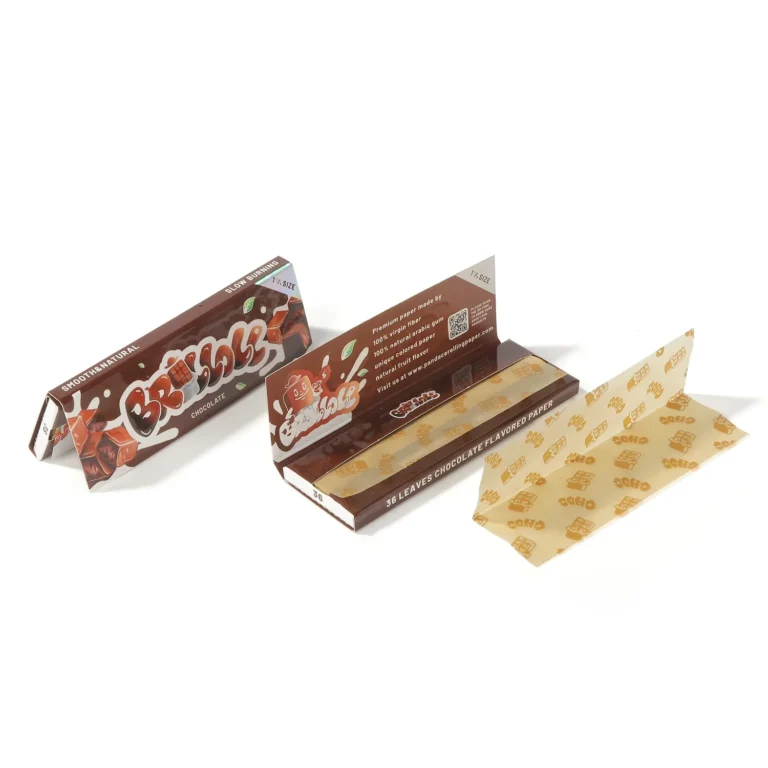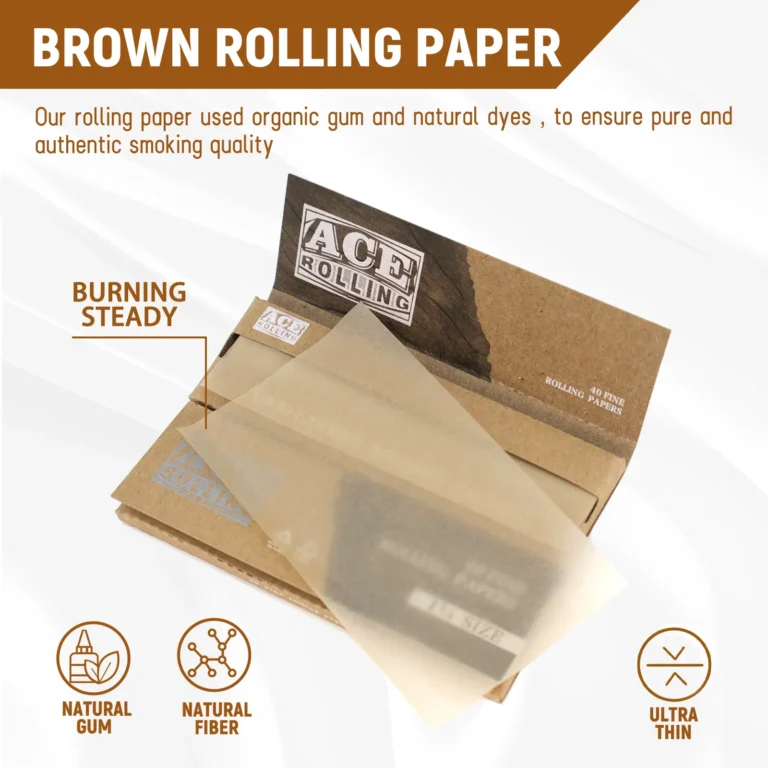

What is the best material for rolling paper? There is no single winner. The best fiber depends on what you optimize for—flavor neutrality, ease of rolling, sustainability story, or beginner forgiveness. Consumer materials guides commonly rank rice-style for purest taste, hemp as the balanced daily driver, wood pulp as the classic beginner/budget pick, and bamboo or flax as specialty eco or texture lanes.
If you need one practical default for most adult rollers and many private-label launches, start with unbleached hemp—then sample rice-style if taste purity matters more than handling. Ace Rolling manufactures hemp, bamboo, and wood pulp directions (plus ultra-thin options and food-grade Arabic gum on applicable programs). Confirm the exact SKU with samples; do not treat a brand logo as a materials certificate.
Quick Picker: Best Material by Goal
| Your goal | Best-fit material | Trade-off |
|---|---|---|
| Everyday balance | Hemp | Mild plant note vs rice-style neutrality |
| Least paper taste | Rice-style / ultra-thin | Harder for beginners; tears more easily |
| Easiest learning | Wood pulp (often thicker) | More papery taste and ash |
| Eco / renewable story | Hemp or bamboo | Still verify bleach, gum, and docs per SKU |
| Premium thin Euro feel | Flax / specialty thin blends | Availability and handling vary |
| Private-label volume | Hemp or wood pulp first | Add rice-style after skill/market proof |
“Best” is a fit, not a trophy.
Material Breakdown
Hemp — best all-rounder for most people
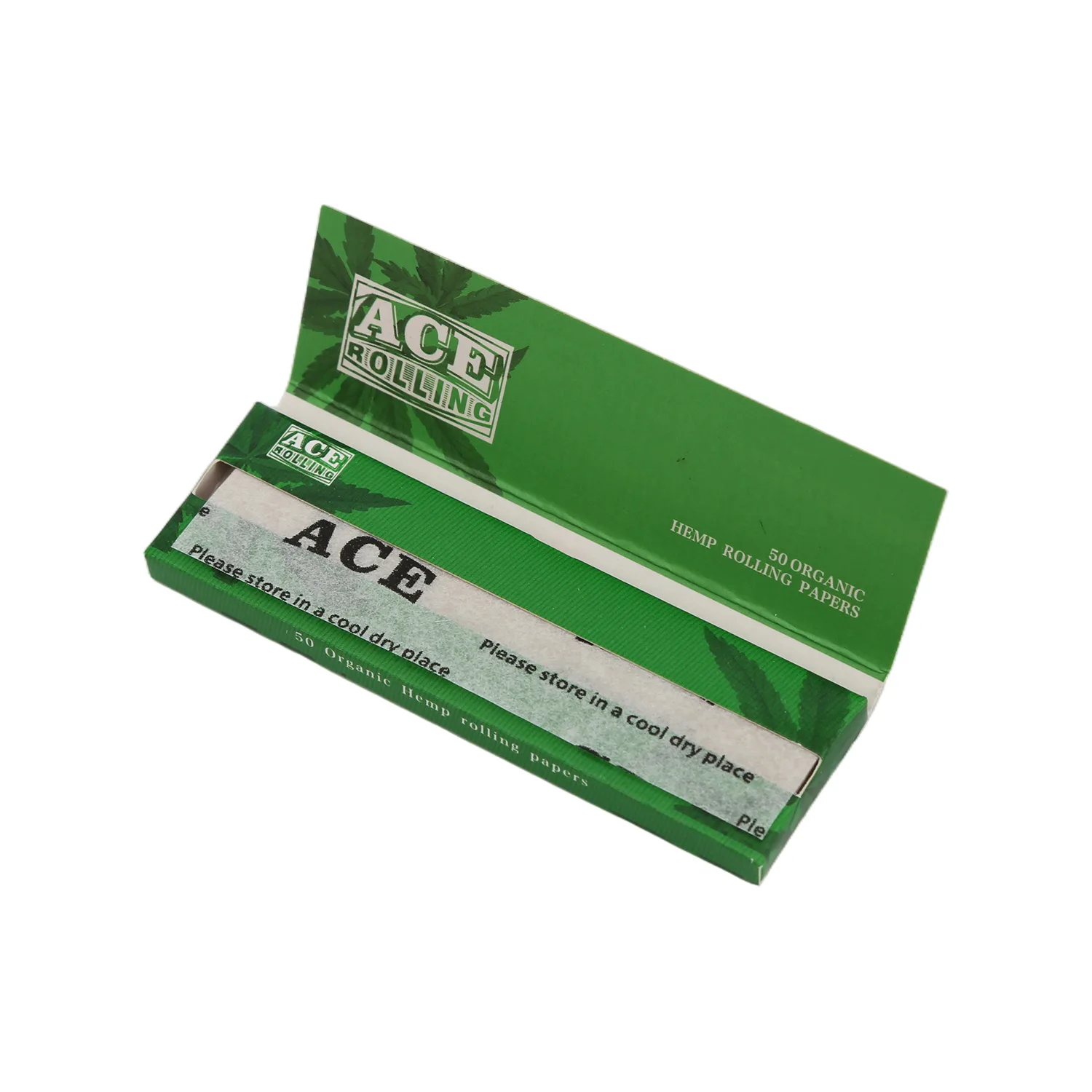
Hemp is the material many 2025 buyer guides call the balanced choice: easier to roll than ultra-thin rice, cleaner-feeling than thick bleached pulp for many shoppers, and strong for natural/unbleached merchandising. Typical consumer thickness talk puts everyday hemp in a mid GSM band—thick enough to forgive mistakes, thin enough for a clean session.
Choose hemp when you want:
- Daily-driver reliability
- Natural-fiber branding
- A private-label hero that beginners and intermediates can both use
Ace Rolling’s hemp programs support that everyday lane—including organic-hemp packaging stories on Signature SKUs. Sample gum feel and burn with your fill before bulk.
Rice-style — best for flavor purists
Rice-style papers are usually the ultra-thin, low-taste option. Guides praise them for slow, steady burn and minimal ash when rolled well. The cost is handling: they can feel slippery and tear if you overwork the gum or pack unevenly.
Choose rice-style when:
- Flower taste must lead
- Rollers already have solid technique
- You are willing to stock a “skill-up” SKU next to a forgiving hemp line
Ace’s site leads with hemp, bamboo, and wood pulp manufacturing directions. If you need a rice-style private-label brief, ask sales what constructions are available for your destination market and approve samples before artwork lock.

Wood pulp — best for beginners and classic packs
Wood pulp is the traditional paper base: durable, familiar, and often the most forgiving while learning tuck-and-seal. It commonly sits thicker than premium rice-style sheets and can taste more “papery,” especially when bleached bright white.
Choose wood pulp when:
- Ease beats purity
- You need a value SKU
- Your market still expects a classic white booklet look
Unbleached wood pulp can bridge natural merchandising and easy handling. For a cleaner-spec natural lane, many shops still prefer hemp or bamboo as the hero.
Bamboo — best when sustainability is the headline
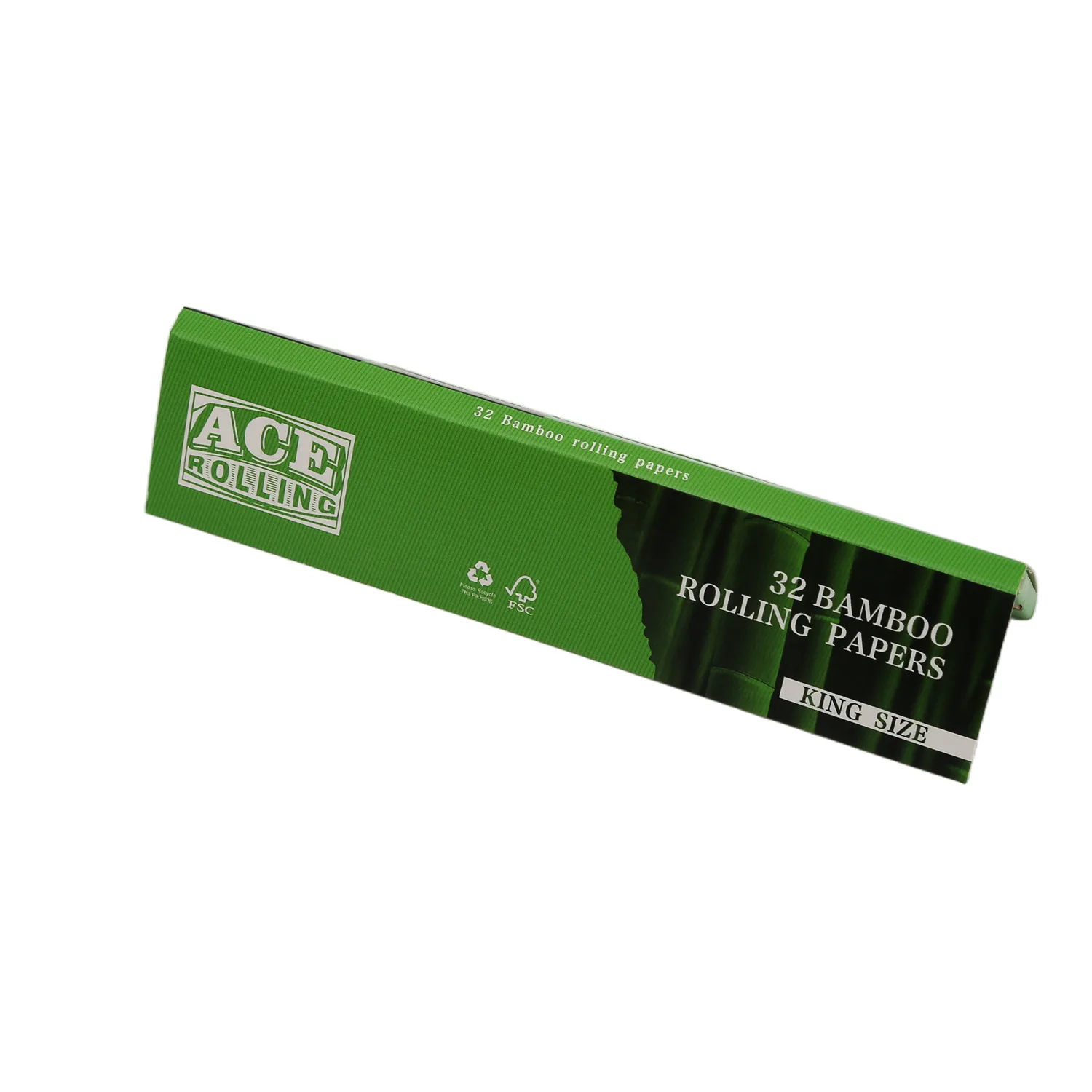
Bamboo papers are marketed as renewable plant fiber with a light taste profile. Consumer guides often place them alongside hemp for eco-minded shoppers. As with any fiber, processing (bleach intent, gum, GSM) matters more than the word “bamboo” alone.
Flax and other specialty fibers
Flax/linen-style papers appear in premium and European-leaning assortments for smooth feel and slow burn marketing. Clear cellulose and novelty constructions exist too—they answer “interesting,” not “best everyday material.” Keep novelty SKUs separate from your core material decision.
Material Is Only Half the Spec
Fiber name without these levers is incomplete:
| Spec | Why it changes “best” |
|---|---|
| GSM / thickness | Thin = less taste, harder roll; thick = easier, more paper |
| Bleached vs unbleached | Color and processing story shoppers notice |
| Gum | Food-grade Arabic gum is the natural-seal callout |
| Size | 1¼ vs king slim changes how forgiving a thin sheet feels |
| Watermark / burn aids | Can help even burn; still sample with your packing style |
A mid-GSM hemp king slim can outperform an ultra-thin rice sheet in real life if your customers cannot finish clean rice rolls. Ace markets ultra-thin options (including 10gsm messaging on applicable lines)—match GSM to skill, not to a blog table alone.
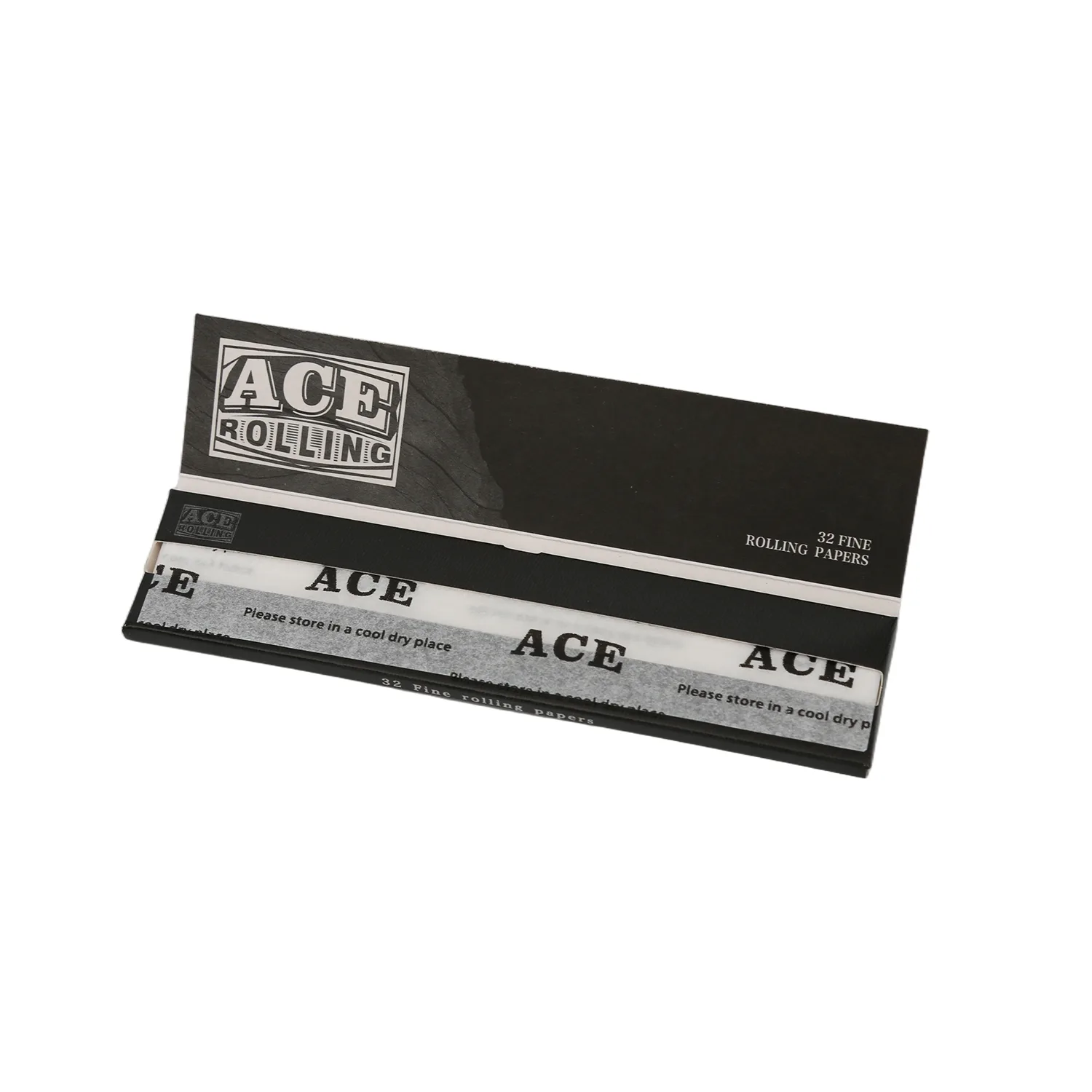
How Guides Usually Rank Materials (Use as a Map)
Roll-your-own style explainers often summarize:
- Rice-style — least taste, slow burn, advanced handling
- Hemp — best daily balance
- Wood pulp — easiest / most traditional
- Bamboo / flax — eco or specialty texture
Retail brand picks (RAW hemp, Elements rice, etc.) illustrate those lanes. They are preference signals—not Ace certifications and not a requirement for private label.
For Brands: Spec the Best Material for Your Channel
| Channel need | Material brief to request |
|---|---|
| Dispensary natural hero | Unbleached hemp, unflavored, Arabic gum |
| Flavor-first connoisseur SKU | Ultra-thin rice-style or ultra-thin hemp (sample both) |
| Smoke-shop beginner pack | Wood pulp or mid-GSM hemp |
| Eco / FSC story | Bamboo or hemp with documented sourcing claims |
| Dual assortment | Hemp everyday + one thin specialty |
Ace Rolling custom programs commonly start around 2,000 units, with sample kits so you can compare materials before bulk. Concept-to-delivery for private label is often planned around about two months.
Bottom Line
The best rolling paper material is the one that matches your goal: hemp for most everyday buyers, rice-style for least taste, wood pulp for easiest rolling, bamboo for a renewable plant-fiber story. Lock fiber + GSM + gum + unflavored intent on samples. Ace Rolling can OEM hemp, bamboo, and wood-pulp papers and cones—without claiming one fiber is medically or universally best.
FAQ
What is the best material for rolling paper?
There is no universal best material. Hemp is the strongest everyday all-rounder for many rollers; rice-style wins when least paper taste matters; wood pulp is usually easiest for beginners; bamboo fits eco-focused merchandising. Choose by goal, then confirm GSM, gum, and bleach status on samples. Ace Rolling can manufacture hemp, bamboo, and wood-pulp private-label programs.
Is hemp better than rice paper?
Hemp is usually better for ease and daily use; rice-style is usually better for flavor neutrality and ultra-thin sessions. Rice papers can tear more while learning, so “better” depends on skill and priority. Many shops stock both: hemp as the hero, rice-style as the connoisseur option. Sample side by side with your typical fill.
Is wood pulp a bad rolling paper material?
No. Wood pulp is the classic, forgiving material and a smart beginner or value SKU. It can taste more papery and leave more ash than thin rice or premium hemp, especially when thick and bleached white. Unbleached pulp improves the natural look for some buyers. Use it when handling beats purity.
Can Ace Rolling make papers in different materials?
Yes. Ace Rolling manufactures OEM and private-label rolling papers and cones in hemp, bamboo, and wood-pulp directions, including unbleached and ultra-thin options with food-grade Arabic gum on applicable programs. Request samples before bulk so material and GSM match your market. Share goals, size, quantity, and destination for a quote from about 2,000 units.