
Yes—bamboo rolling papers can be good for private label when buyers want a distinctive plant-fiber story, workable feel, and booklet-to-cone range. They are not automatically better than hemp, rice-style, or pulp. Approve the exact paper, gum, burn, packaging, claims, MOQ, and landed cost before launch.
Ace Rolling offers bamboo as an available paper route for private-label booklets and pre-rolled cones from Dongguan, China. The right wholesale decision depends on the finished SKU and sample results—not the fiber name alone.
Are Bamboo Rolling Papers the Right Brand Fit?
Bamboo earns a place on a shortlist when it gives shoppers a clear reason to notice and remember the product. It should solve a positioning problem, not simply decorate a specification sheet.
For private label, bamboo is strongest as a distinctive plant-fiber lane between familiar hemp and conventional pulp. The commercial test is whether that story matches the target customer, shelf price, color direction, and product format.
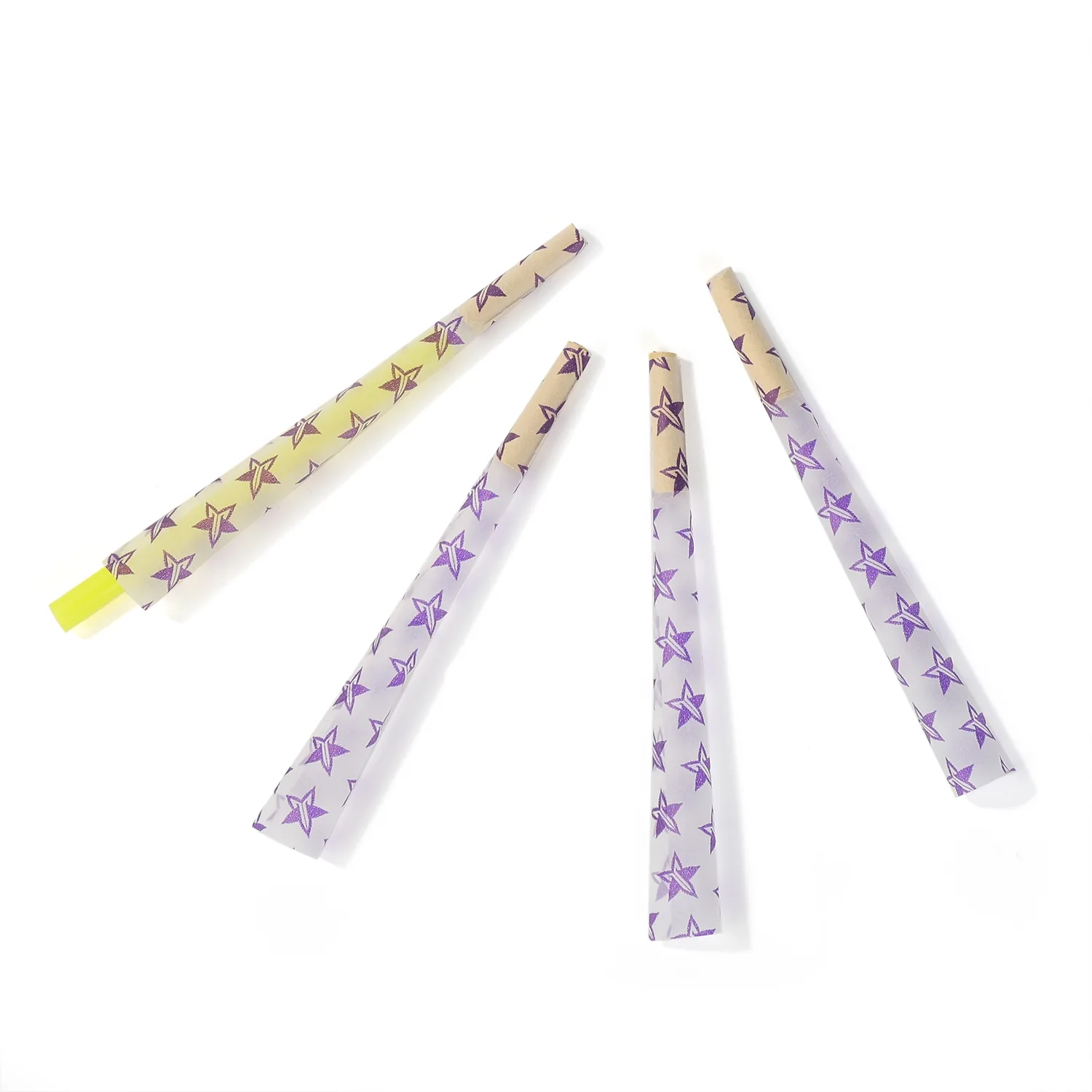
Start with the customer promise. A specialty retailer may value a less-common fiber and tactile product story; a price-first convenience channel may prefer familiar pulp. Bamboo can support natural-looking packaging, but the word “bamboo” alone does not prove sustainability, safety, organic status, or a better session.
Ace Rolling’s custom rolling paper programs can translate a chosen paper route into booklet artwork and retail packaging. Keep the paper claim precise, then let design communicate the brand rather than making unsupported environmental or medical promises.
| Brand objective | Bamboo fit | Better alternative to sample | Buyer reason |
|---|---|---|---|
| Distinctive plant-fiber hero SKU | Strong | Hemp | Bamboo is less familiar and can create curiosity |
| Broad, familiar natural-positioned SKU | Medium | Hemp | Hemp already has high shopper recognition |
| Ultra-light paper presence | Test first | Rice-style | Thin rice-style sheets may better fit that brief |
| Entry-price, easy-handling line | Test first | Wood pulp | Pulp is familiar and often easier to merchandise |
| Evidence-led sourcing story | Conditional | Any documented fiber | Claims depend on SKU-level documents, not fiber reputation |
Key Takeaway: Choose bamboo when its distinctiveness supports a defined buyer and price lane; do not choose it merely because the material sounds marketable.
How Does Bamboo Compare with Hemp, Rice, and Pulp?
Fiber names are useful shortlist labels, but wholesale buyers purchase finished constructions. Thickness, porosity, gum, watermark, color, and converting quality can outweigh the headline material.
Bamboo is neither a universal midpoint nor an automatic upgrade. Compare it against hemp, rice-style paper, and wood pulp on the same size, pack count, and target specification.
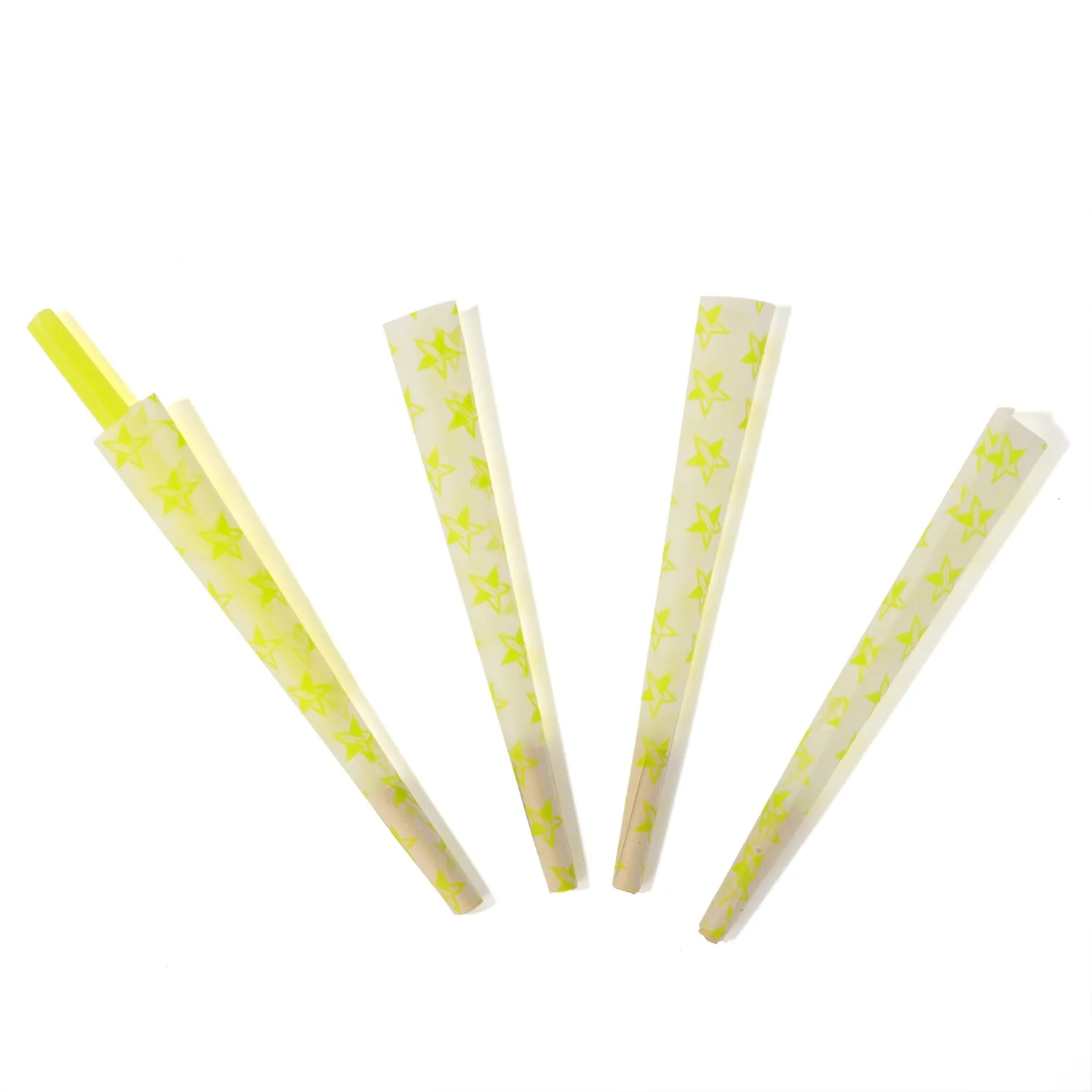
Bamboo can offer a recognizable natural-tone presentation and a smooth brand narrative. Hemp often brings stronger category recognition. Rice-style paper can fit ultra-thin and low-paper-presence briefs but may demand more handling care. Wood pulp remains a practical benchmark for strength, familiarity, and value. These are screening tendencies, not guaranteed burn outcomes.
Ask Ace Rolling to quote matched candidates through its OEM/ODM rolling paper service. A fair comparison holds size, leaf count, gum, print scope, and packaging constant while changing the paper route.
| Decision factor | Bamboo | Hemp | Rice-style | Wood pulp |
|---|---|---|---|---|
| Brand familiarity | Emerging/distinctive | High in natural-positioned lines | Familiar in thin-paper lines | Very high |
| Typical visual story | Natural-tone, plant-fiber | Earthy, established fiber | Minimal, refined, thin | Classic white or unbleached |
| Handling expectation | Sample for stiffness and fold | Often grippy; verify blend | Can be delicate when very thin | Usually forgiving |
| Burn expectation | Depends on GSM, porosity, watermark, fill | Same variables apply | Thinness can change behavior | Broad range of constructions |
| Best wholesale role | Differentiated hero SKU | Recognizable natural SKU | Premium thin SKU | Core/value SKU |
| Claim requirement | Verify every sourcing statement | Verify fiber and processing | Verify composition language | Verify bleach and sourcing language |
Key Takeaway: Compare finished samples under one controlled brief; material labels alone cannot predict handling, burn, or repeat purchase.
What Burn and Hand-Feel Should Samples Prove?
A buyer cannot approve bamboo from a PDF, color swatch, or supplier adjective. Paper feel and burn behavior emerge from the complete construction and the way the product is filled or rolled.
The sample gate should test grip, tear resistance, gum activation, paper presence, ash, relights, and side-burn tendency against the brand’s real use case. Never promise an absolutely even burn or zero canoeing.
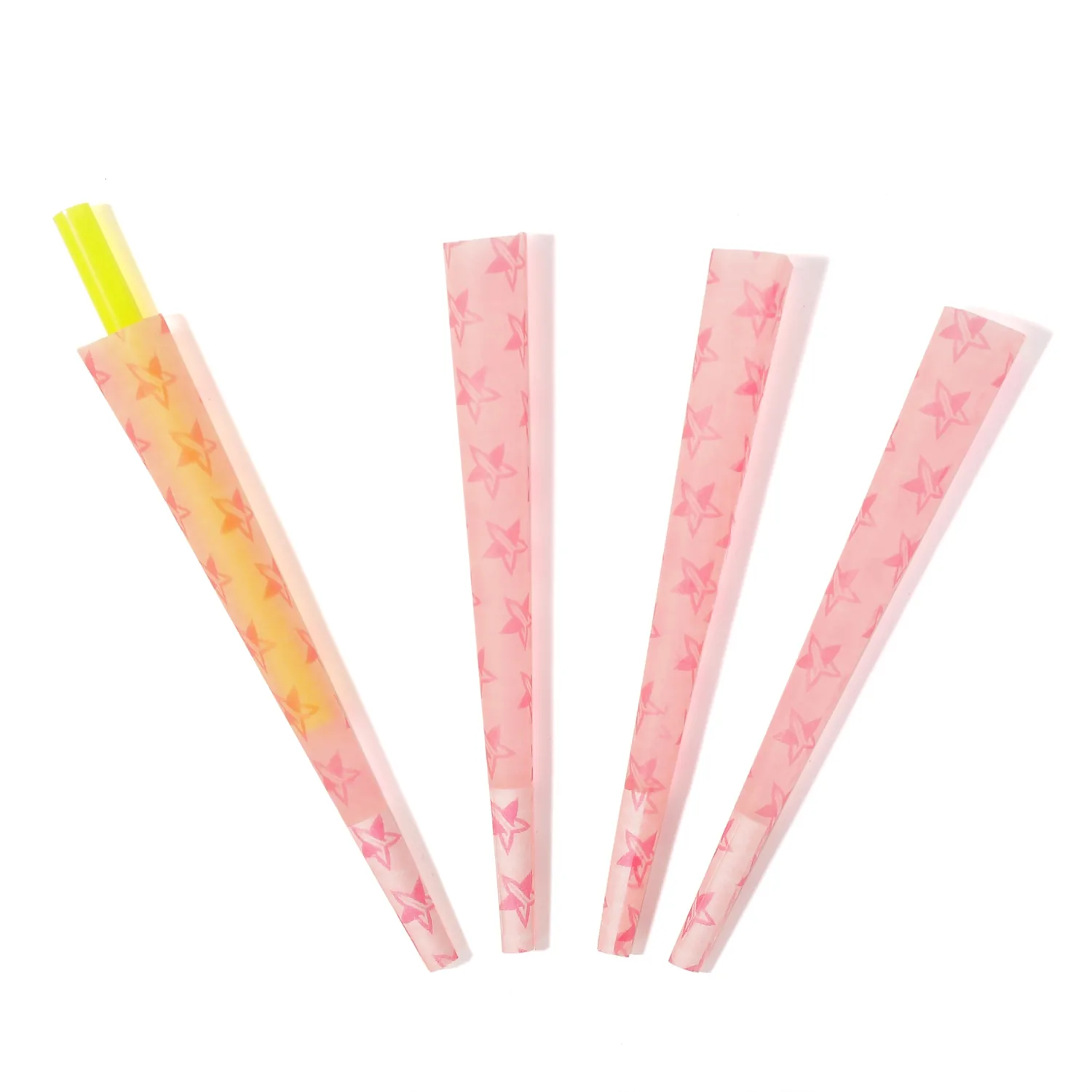
For booklets, have several testers roll the same size with the same fill range. For cones, test the intended 84 mm, 98 mm, 109 mm, or custom geometry and the actual filling method. Record humidity and storage conditions because thin papers and gum can behave differently after transit or exposure.
Use Ace Rolling’s pre-rolled cone options when the program needs matching bamboo cones. Request a retained approved sample so production lots can be checked against a physical reference rather than a vague description.
| Sample check | Booklet method | Cone method | Pass question |
|---|---|---|---|
| Hand-feel | Fold and roll repeatedly | Inspect wall and seam | Does it feel right for the target user? |
| Tear resistance | Roll with normal tension | Fill at intended speed | Does it survive realistic handling? |
| Gum | Activate with consistent moisture | Inspect seam after storage | Does the seal hold without a heavy residue line? |
| Burn | Same fill, size, and test conditions | Same fill weight and packing density | Is performance repeatable enough for the brief? |
| Paper presence | Blind compare against hemp/rice/pulp | Blind compare matched cones | Does the panel prefer it at the target price? |
| Storage | Recheck after conditioning | Recheck packed samples | Does performance remain within the agreed standard? |
Key Takeaway: Bamboo is good for private label only after the exact booklet or cone beats—or intentionally differs from—matched alternatives in a recorded sample test.
Should You Launch Bamboo Booklets, Cones, or Both?
Format changes the buying proposition. Booklets sell paper choice and rolling ritual; cones sell convenience, fill compatibility, and repeatable geometry.
Most new brands should lead with one hero format, validate sell-through, and add the matching format later. Launching both can work when the audience and channel already support two distinct use occasions.
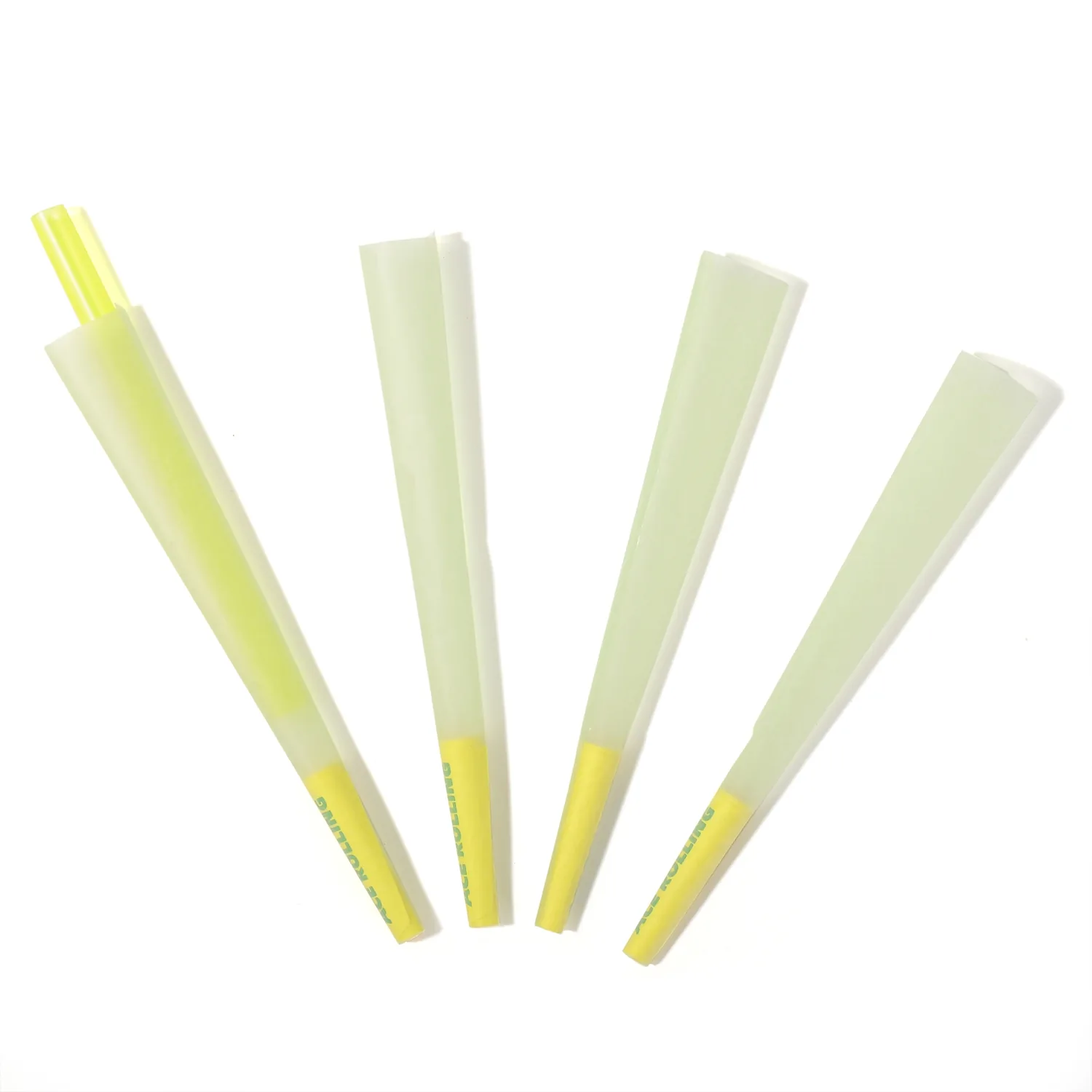
For booklets, lock leaf size, count, gum, tips, cover, display box, and paper route. For cones, lock length, tip dimensions, paper, packing method, bulk or retail pack-out, and filling-machine requirements. Ace Rolling lists bamboo among available paper routes for both product families, subject to the chosen specification.
Review custom rolling papers for booklet programs and the separate cone page for formed products. Matching colors and claims can unite the range, but the two SKUs still require separate functional approvals.
| Launch path | Main advantage | Main risk | Best fit |
|---|---|---|---|
| Bamboo booklet first | Simpler story and lower assortment complexity | Does not test cone demand | Rolling-paper brands and smoke shops |
| Bamboo cone first | Convenience-led differentiation | Fill fit and tip geometry add variables | Pre-roll and automated-filling buyers |
| Booklet + cone together | Stronger shelf family | More samples, artwork, cash, and inventory | Established distributors with known demand |
| Bamboo hero + pulp value SKU | Clear good/better architecture | Brand story can fragment | Multi-price wholesale catalogs |
| Bamboo hero + hemp alternative | Fiber choice without a value cue | Two natural-positioned SKUs may compete | Specialty retailers with educated buyers |
Key Takeaway: Pick the first format by customer behavior and operational capability; matching bamboo booklets and cones are a range strategy, not a requirement for launch.
Can Bamboo Support a Credible Packaging Story?
Bamboo can give private-label packaging a memorable material anchor, but claim discipline is part of product development. An attractive fiber story becomes a liability when the carton says more than the documents prove.
Use factual language such as “bamboo paper” when the specification supports it. Treat FSC as an available sourcing option for applicable programs—not a default certification for every bamboo SKU.

Do not turn “plant fiber” into “medical,” “healthier,” “non-toxic,” “organic,” “biodegradable,” or “eco-friendly” without current evidence applicable to the exact product and market. Packaging should distinguish verified material facts, optional sourcing documentation, and general brand design.
Ace Rolling operates under an ISO 9001:2015 management framework and can discuss FSC-certified sourcing options where applicable. Use the quality and certifications page to frame the document request, then approve final wording against the SKU’s actual records.
| Packaging statement | Use status | Evidence needed | Safer drafting approach |
|---|---|---|---|
| “Made with bamboo paper” | Appropriate if true | Bill of materials/specification | Name the material plainly |
| “FSC-certified” | Conditional | Applicable chain/scope documents | Confirm the exact SKU before print |
| “Sustainable” or “eco-friendly” | Do not assume | Defined standard and substantiation | Describe verified sourcing facts instead |
| “Organic” | Do not assume | Applicable certification | Omit unless documented and approved |
| “Healthier” or “safer” | Avoid | Medical/health proof and legal review | Make no comparative health claim |
| Competitor affiliation | Prohibited unless true | Formal authorization | State your own private-label manufacturer |
Ace Rolling is not the manufacturer of RAW, Rizla, or OCB. Do not borrow those trademarks, imply affiliation, or copy their trade dress when briefing bamboo packaging.
Key Takeaway: Bamboo gives packaging a useful material fact; credible private label stops at what the exact SKU and documents can substantiate.
Do MOQ and Wholesale Cost Make Commercial Sense?
A promising sample still has to work in cash flow. Compare identical quote scopes because paper, size, print, leaf count, tip, display packaging, quantity, and freight all move the final number.
Ace Rolling custom programs commonly start around 2,000 units, depending on the specification. Approved factory-direct reference ranges are about $0.07–$0.30 per custom booklet and $0.04–$0.06 per pre-rolled cone, with MOQ applying and final quotation required.
Do not assume bamboo sits at one fixed point inside those ranges. Ask for bamboo, hemp, rice-style, and pulp alternatives on the same RFQ. Then model landed unit cost, samples, artwork, freight, duties, warehousing, breakage allowance, and channel margin. A lower ex-factory unit price can still lose if the MOQ exceeds realistic sell-through.
Ace Rolling’s OEM/ODM team can quote once the material, format, dimensions, print, packaging, quantity, and destination are clear.
| Commercial input | Ace planning reference | What changes it | Buyer action |
|---|---|---|---|
| Custom booklet price | About $0.07–$0.30 each | Size, material, leaf count, print, tips, pack, volume | Request a matched bamboo quote |
| Pre-rolled cone price | About $0.04–$0.06 each | Length, paper, tip, print, pack, volume | Quote intended cone geometry |
| MOQ | Often starts around 2,000 units | Material, size, print, filter/tip, packaging | Confirm MOQ per SKU |
| Landed cost | Not the ex-factory price | Freight, duty, destination, cartons | Model delivered unit economics |
| First-order depth | Based on sell-through | Number of SKUs and channel velocity | Start with a focused hero SKU |
Key Takeaway: Bamboo makes commercial sense when a matched factory quote leaves margin after MOQ and landed costs—not when its ex-factory price is viewed in isolation.
How Should You Approve the Supplier and Production Plan?
Material choice is only one part of supplier risk. The private-label partner must convert the chosen paper consistently, control packaging, retain approvals, provide applicable documents, and communicate a realistic schedule.
Ace Rolling manufactures OEM products in Dongguan, China. A typical private-label project is commonly planned around about two months from concept to delivery, while mass production after approvals often takes roughly four to five weeks, depending on complexity.
Run the project through clear gates: written brief, material samples, functional tests, dieline and artwork proof, claim/document review, pre-production approval, mass production, lot inspection, and export packing. Put change control in writing; a late paper, color, tip, or carton change can reset both cost and timing.
Review Ace Rolling’s Dongguan factory overview and request the documents relevant to the destination and SKU. ISO 9001 supports a management framework, but buyers still need product-specific approvals and an agreed QC plan.
| Approval gate | Required output | Bamboo-specific question | Stop condition |
|---|---|---|---|
| RFQ brief | One comparable specification | Is bamboo available for this exact format? | Quotes use different scopes |
| Material sample | Labeled matched papers | How does bamboo compare with hemp/rice/pulp? | Fiber or GSM is unclear |
| Functional test | Recorded roll/fill and burn results | Does the exact construction meet the brief? | Results are inconsistent |
| Artwork and claims | Signed dieline and claim list | Which bamboo/FSC statements are documented? | Unsupported wording remains |
| Pre-production | Approved retained sample | Does paper, gum, print, and pack match? | Physical sample is not approved |
| Mass production | QC and delivery plan | What checks protect lot consistency? | Timeline or tolerances are vague |
Key Takeaway: Approve bamboo through samples, documents, retained standards, and production gates; a material preference is not a substitute for supplier qualification.
FAQ
Are bamboo rolling papers good for private-label brands?
Bamboo rolling papers can be good for private-label brands that want a distinctive plant-fiber story and are willing to validate the finished construction. The decision should depend on target customer, paper feel, gum, burn tests, format, packaging, MOQ, landed cost, and claim evidence—not on an assumption that bamboo is universally superior.
Are bamboo rolling papers better than hemp papers?
Bamboo rolling papers are not automatically better than hemp papers. Bamboo can feel more distinctive in a crowded catalog, while hemp has stronger recognition in natural-positioned ranges. Compare matched samples with the same size, thickness target, gum, and pack. Let handling, controlled burn tests, customer positioning, and quoted economics decide.
Can bamboo paper be used for booklets and pre-rolled cones?
Bamboo paper is an available route for both rolling paper booklets and pre-rolled cones in Ace Rolling programs, subject to the exact specification. Booklets require leaf, gum, count, tips, and cover approvals. Cones also require length, tip geometry, seam, pack-out, and filling-method tests before wholesale production.
What is the MOQ for private-label bamboo rolling papers?
Ace Rolling private-label programs commonly start around 2,000 units, but the actual MOQ depends on product format, dimensions, paper, print, filter or tip, packaging, and quantity. Buyers should confirm MOQ per SKU. A bamboo booklet and a custom bamboo cone may have different setup and pack-out requirements.
How much do custom bamboo papers and cones cost wholesale?
Ace Rolling’s approved factory-direct ranges are about $0.07–$0.30 per custom booklet and $0.04–$0.06 per pre-rolled cone, with MOQ applying. Bamboo’s exact position requires a quotation based on size, material, printing, tips, packaging, quantity, and destination. Compare landed cost rather than ex-factory price alone.
Can a bamboo rolling paper pack claim FSC or eco-friendly status?
A bamboo rolling paper pack should claim FSC only when current documents cover the applicable SKU and sourcing route. FSC options are available, but not automatic. Avoid unsupported eco, organic, or health claims. To compare bamboo samples, request a private-label quote with your format, size, packaging, quantity, destination, and document needs.