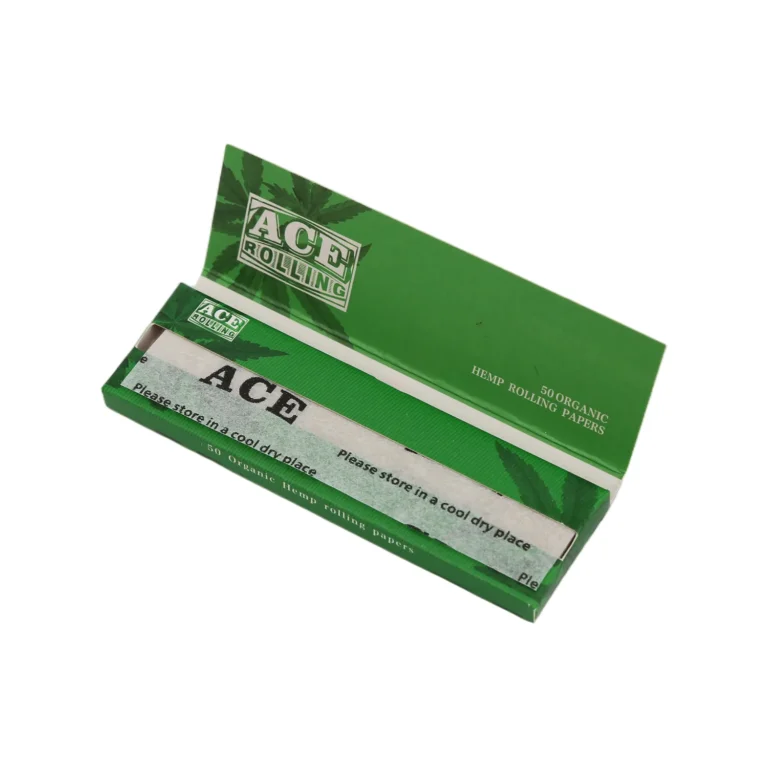

What are natural rolling papers? In shopper and dispensary language, they are plant-fiber rolling papers—most often hemp, rice-style, bamboo, or flax—built with fewer cosmetic extras than bright white, flavored, or heavily dyed novelty packs. “Natural” usually points to unbleached or lightly processed sheets, a natural gum seal (commonly Arabic / acacia gum), and an unflavored construction. It is a materials story, not a medical claim that smoke is safe.
Non-toxic shopping guides often steer buyers toward 100% hemp or pure rice papers and away from flavored or colored sheets. Use that as a useful retail filter—then verify the SKU in your hand, because the word “natural” on a carton is marketing language, not a pharmaceutical standard.
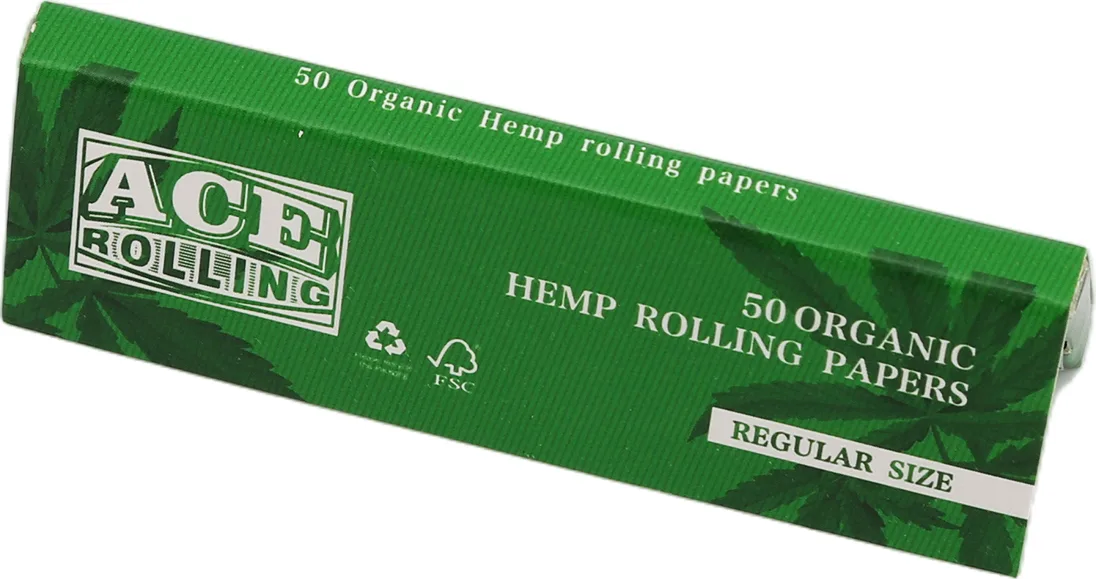
A Practical Definition (Not a Lab Seal)
There is no single global legal definition that every rolling-paper pack must meet before printing “natural.” Buyers and budtenders usually mean a paper that scores well on these points:
| Trait shoppers expect | What to look for on the pack or RFQ |
|---|---|
| Plant fiber base | Hemp, rice-style, bamboo, flax, or clearly named pulp |
| Minimal whitening story | Unbleached / natural-color sheets preferred |
| Cleaner adhesive story | Food-grade Arabic (acacia) gum callouts |
| No flavor system | Unflavored; no candy coatings or heavy scent sprays |
| Fewer decorative dyes | Avoid neon leaf colors as the daily driver |
| Transparent specs | Material + gum stated for the exact SKU |
Ace Rolling markets premium directions in hemp, bamboo, and wood pulp, food-grade organic Arabic gum messaging, ultra-thin options, and FSC-related sourcing claims on applicable programs. Those support a natural-spec private-label brief. They do not make combustion risk-free.
Natural Materials: Hemp, Rice, Bamboo, Flax, Wood Pulp
Hemp
The everyday “natural” hero in many dispensary tips: renewable plant fiber, commonly sold unbleached, grippier than ultra-thin rice, mild earthy note. Strong default for retail “natural” merchandising and private-label volume SKUs.
Rice-style
Often the thinnest and most flavor-neutral option. Guides that focus on fewer extras like rice because there is less paper mass per puff. Harder for beginners; excellent when “least paper interference” is the goal.
Bamboo
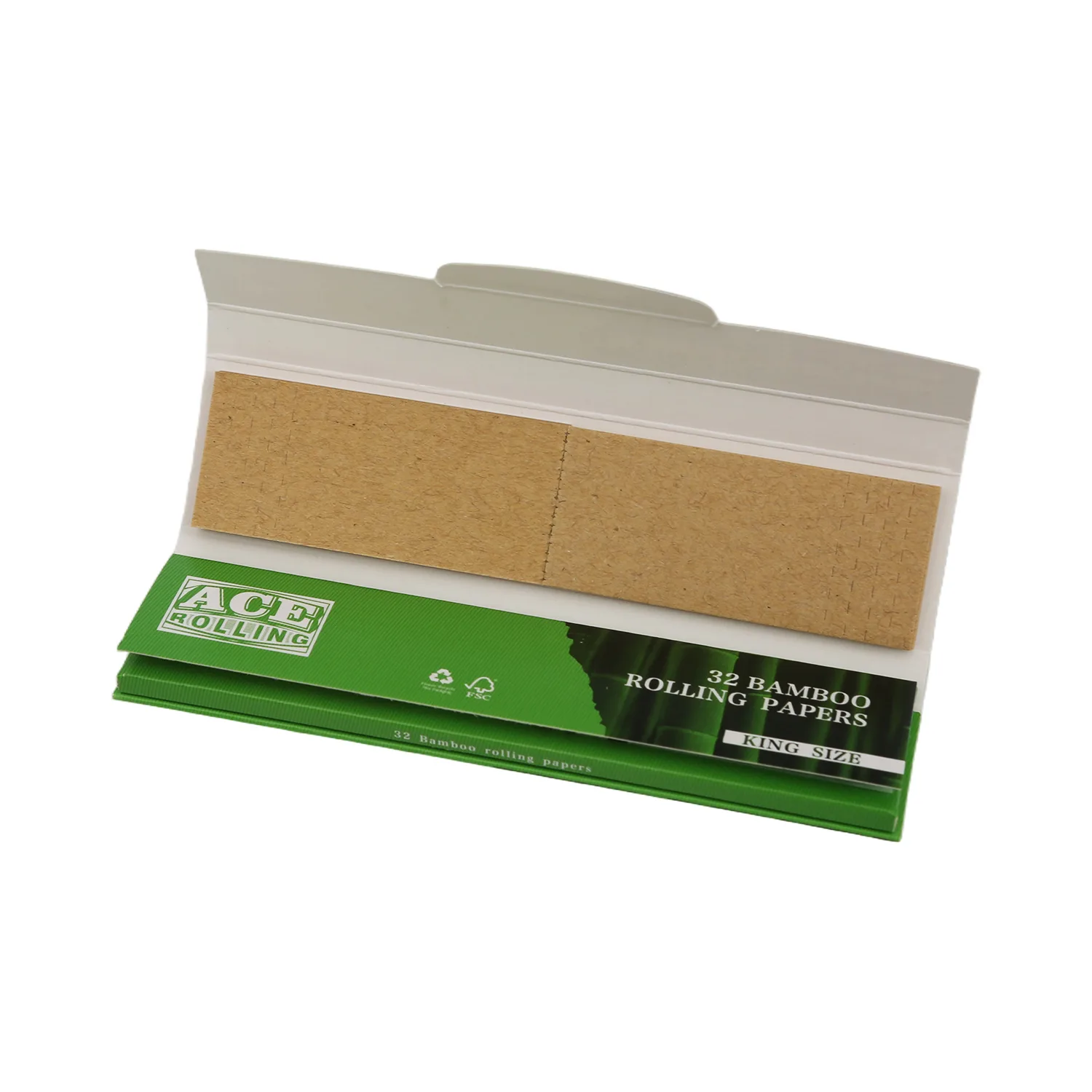
Frequently positioned as a sustainable natural-fiber lane—thin, slow-burn marketing, plant-based story. Confirm bleach status and gum on the exact booklet or cone SKU.
Flax and other specialty fibers
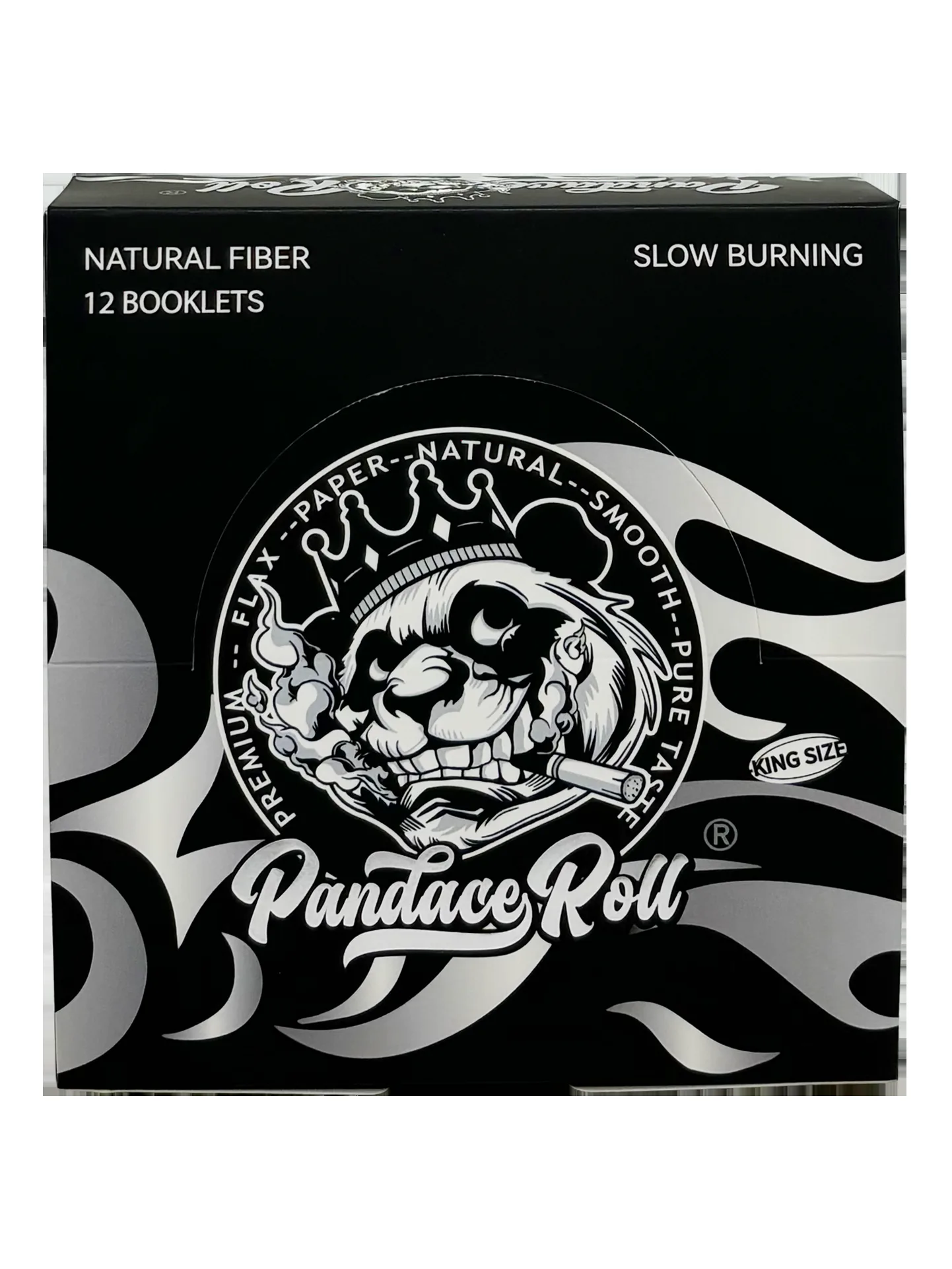
Some brands market flax or mixed natural fibers with “natural fiber / pure taste” language. Treat fiber name + unflavored + gum callout as the real checklist, not the logo alone.
Wood pulp
Classic and easy to roll. Bright chlorine-bleached white pulp is what many “natural” shoppers are trying to leave behind. Unbleached wood pulp can still fit a cleaner-spec brief, but hemp/rice/bamboo usually dominate natural merchandising.
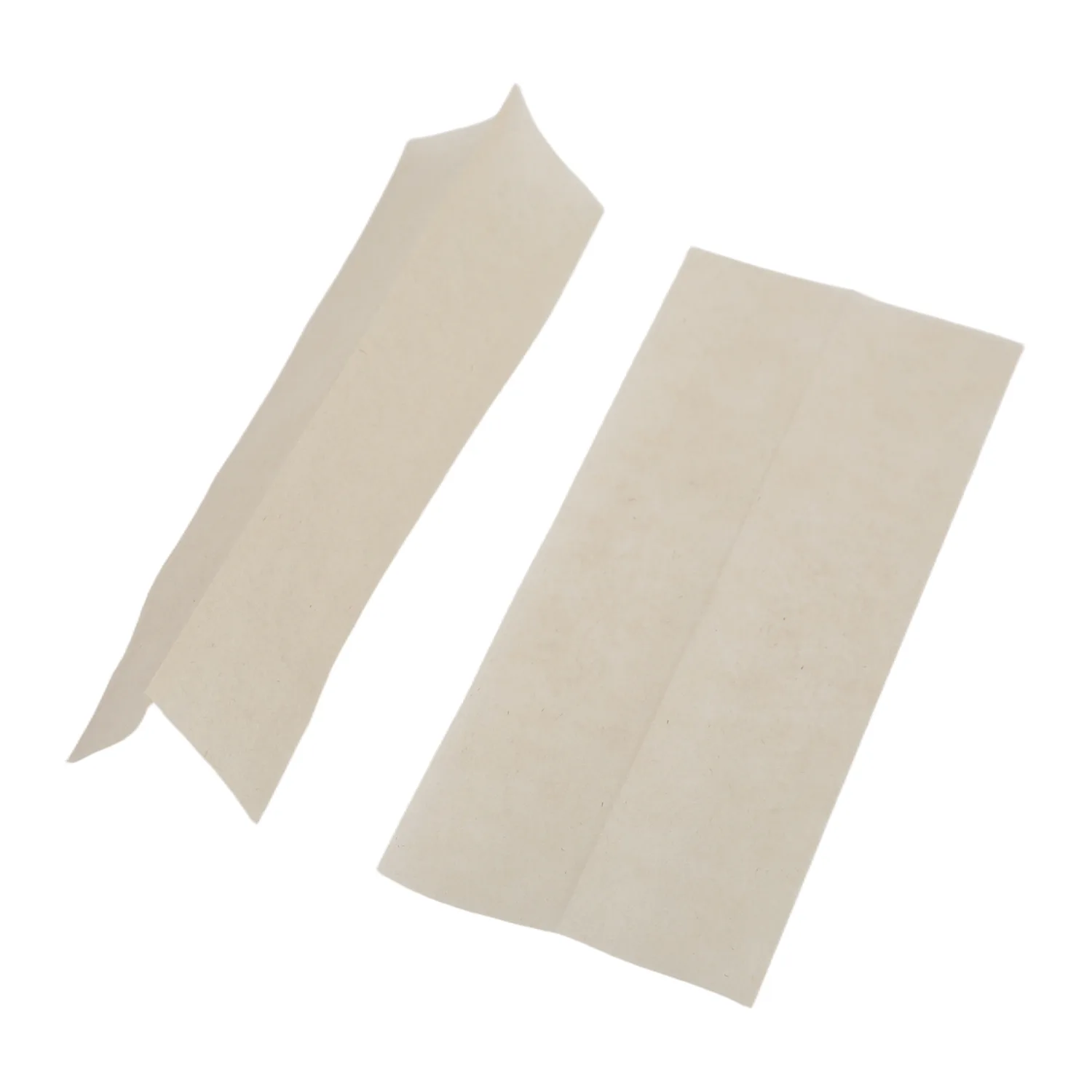
What Natural Papers Are Usually Not
Consumer non-toxic tips commonly flag these as the opposite of a natural-paper goal:
- Flavored papers — built to add taste systems and often dyes
- Bright colored novelty leaves — pigment is the product story
- Mystery white value packs — no material, gum, or process callouts
- “Natural” as packaging vibe only — kraft carton with no fiber or gum facts
Occasional novelty use is a personal choice. If your search intent is “what are natural rolling papers,” lead with unflavored plant-fiber SKUs, not dessert-coated sheets.
How to Choose Natural Rolling Papers (Checklist)
- Read the fiber — hemp, rice, bamboo, flax, or unbleached pulp named clearly
- Prefer unbleached / natural color when that is your goal
- Check the gum — Arabic / plant gum beats unnamed adhesive
- Skip flavored and neon dyes for a minimal-additive brief
- Match thickness to skill — ultra-thin rice for neutrality; hemp/bamboo for easier rolls
- Ask for composition confirmation on wholesale or OEM orders
- Sample burn and taste before you commit carton counts
Retail brand lists (RAW, Elements, and others) reflect preference and marketing. Use them as starting points, then verify the leaf you will actually stock or private-label.
Natural Papers vs “Non-Toxic” Language
Medical and dispensary articles sometimes use “non-toxic” as a shopping shorthand for fewer bleaching agents, dyes, and flavor chemicals. Combustion of any paper and plant material still produces smoke you inhale. Safer framing for brands and buyers:
- Prefer additive-light, plant-fiber, unflavored constructions
- Do not claim a paper makes smoking healthy
- Put fiber, gum, bleach intent, and flavor (none) into the purchase order
- Remember accessory markets are not regulated like pharmaceuticals
That keeps your content honest while still answering the keyword shoppers type.
Cones and Wraps Count Too
Pre-rolled cones can be “natural” in the same sense if the cone paper matches the plant-fiber / unbleached / unflavored rules. Convenience does not automatically mean cleaner—or dirtier. Read the cone material the same way you read a booklet. Hemp wraps are a related category with thicker construction; confirm whether you are buying papers, cones, or wraps before you copy claims onto packaging.
For Brands: Spec Natural Private-Label Papers
If you sell accessories or house pre-rolls and want a natural lane:
| Spec line | Example language to request |
|---|---|
| Fiber | Hemp / bamboo / rice-style / flax / unbleached wood pulp |
| Color process | Unbleached; no decorative leaf dyes |
| Gum | Food-grade Arabic gum |
| Thickness | Ultra-thin target (confirm GSM on sample) |
| Flavor | Unflavored only |
| Docs | Composition confirmation for the exact SKU |
| Story extras | FSC-related sourcing where the program supports it |
Ace Rolling custom programs commonly start around 2,000 units, with sample kits available so you can compare materials before bulk. Concept-to-delivery for private label is often planned around about two months. Mass production after approvals commonly runs on a roughly four-to-five-week factory rhythm depending on complexity and queue.
Bottom Line
Natural rolling papers are plant-fiber, additive-light papers—typically hemp, rice-style, bamboo, or flax—often unbleached, sealed with natural gum, and sold unflavored. The label helps shoppers filter SKUs; samples and written specs prove the claim. Ace Rolling can manufacture OEM programs in hemp, bamboo, and wood-pulp directions with food-grade Arabic gum on applicable lines—without promising medical safety.
FAQ
What are natural rolling papers?
Natural rolling papers usually mean plant-fiber sheets such as hemp, rice-style, bamboo, or flax, often unbleached, with natural Arabic gum and no flavored coatings. Shoppers use “natural” as a cleaner-accessory filter, not as proof that smoke is safe. Always confirm fiber, gum, and bleach status on the exact SKU you buy or manufacture.
Are hemp rolling papers the same as natural papers?
Hemp is one of the most common natural-paper materials, especially when the sheet is unbleached and unflavored. Rice-style, bamboo, and flax papers are also sold in the natural lane. “Hemp” on the pack is a strong signal, but you still want gum callouts and a clear unflavored construction before treating it as your natural hero SKU.
Are flavored or colored papers considered natural?
Usually no—for this keyword. Flavored and brightly dyed papers add taste systems or pigments that conflict with a minimal-additive natural brief. They may still be plant-fiber underneath, but they are the wrong hero product if shoppers are searching for natural papers. Keep novelty SKUs separate from your natural core line.
Can Ace Rolling make natural private-label papers?
Yes. Ace Rolling manufactures OEM and private-label rolling papers and cones in plant-fiber directions such as hemp, bamboo, and wood pulp, including unbleached and ultra-thin options with food-grade Arabic gum on applicable programs. Request samples and written specs before bulk. Share fiber goals, size, quantity, and destination market for a quote.