
ما الفرق بين الأرز والقنب ولب الخشب؟ في أوراق التدحرج، هم ثلاث قواعد للألياف النباتية التي تتغير المذاق، سرعة الاحتراق، الرماد، ومدى سهولة لف الورقة. عادةً ما تصنفها أدلة المستهلكين (بما في ذلك تحليل الأرز/القنب/لب الخشب من Monkey King) على النحو التالي: أرز لأبطأ وأصفى نكهة؛; قنب للتوازن البيئي والقبضة؛; لب الخشب للأوراق الكلاسيكية الصديقة للمبتدئين التي تحترق غالبًا بشكل أسرع.
تصنع Ace Rolling القنب، الخيزران، وعجينة الخشب تعليمات لبرامج Signature وOEM (مع خيارات فائقة الرقة وصمغ عربي على الأكواد المناسبة). أوراق النمط الأرز هي فئة سوقية شائعة - اسأل المصنع عن المتاح للعينة إذا كان الأرز هو موجزك الرئيسي. اسم الألياف وحده لا يحل محل اختبار الاحتراق.
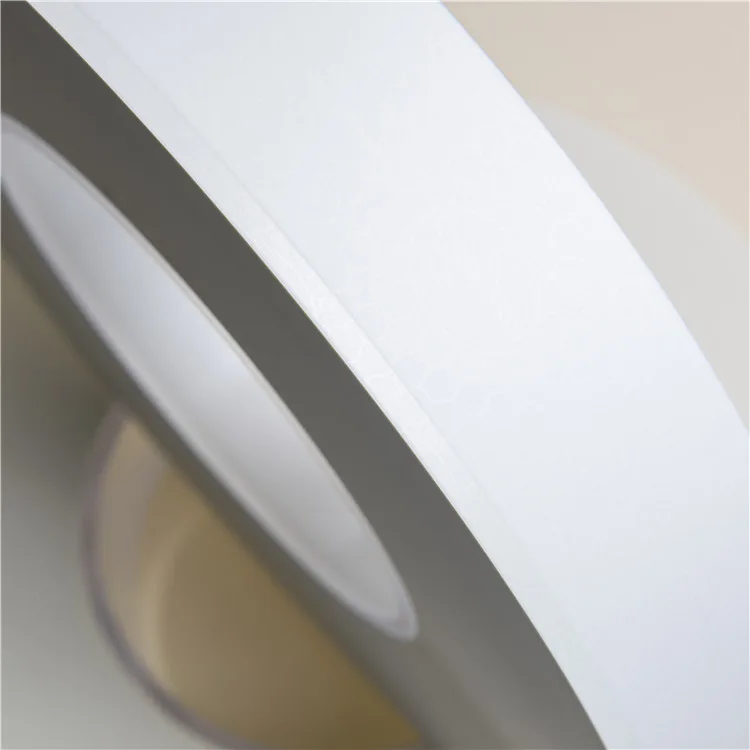
مقارنة جنبًا إلى جنب
| العامل | نمط الأرز | القنب | لب الخشب |
|---|---|---|---|
| الإحساس النموذجي | رقيق جدًا، ناعم، شفاف | متوسطة، ذات ملمس خفيف | غالبًا ما تكون أكثر سمكًا / صلابة |
| المذاق | أقل طعم ورقي / قريب من المحايد | نغمة ترابية خفيفة أو حلوة قليلاً | الأكثر “ورقية”، خاصة السميكة المبيضة |
| احتراق (نموذجي) | أبطأ / أطول جلسة | متوسط-بطيء، متساوي | أسرع من الأرز أو القنب |
| رماد | منخفض جدًا عندما تكون رقيقة | منخفض - متوسط | أعلى / أكثر وضوحًا |
| قابلية اللف | الأصعب للمبتدئين | أسهل رصيد يومي | متسامح جدًا للمتعلمين |
| قصة بيئية | رواية المنتج الثانوي الزراعي | قصة تجديدية قوية / طبيعية | المبيض مقابل غير المبيض يغير القصة |
| الأفضل لـ | محبو النكهة الأصيلة، والمدحرجون الماهرون | المشترون الطبيعيون اليوميون، العلامة الخاصة | المبتدئون، القيمة / العبوات البيضاء الكلاسيكية |
اعتبر صفوف الاحتراق/الطعم كـ أنماط الصناعة النموذجية. يمكن لـ GSM، العلامة المائية، المزيج، وكثافة العبوة نقل الكود لأعلى أو لأسفل الجدول.
أوراق لف الأرز
أوراق الأرز مصنوعة من ألياف الأرز المعالجة أو مواد الأرز ذات الصلة (بعض علامات “ورق الأرز” التراثية تاريخيًا تعني أوراق مكررة رقيقة جدًا - ليست دائمًا من الأرز الحرفي). العلامات التجارية الطبيعية الحديثة تعني عادةً rice-fiber or rice-style ultra-thin leaf.
Strengths
- Minimal flavour interference—herb or tobacco leads
- Slow burn and low ash when the sheet is truly thin
- Clean, connoisseur positioning
Trade-offs
- Slippery, tear-prone for new rollers
- Humidity can make handling worse
- Demands careful tuck-and-seal technique
Choose rice when least paper taste is the KPI—not when you need a forgiving first-roll SKU.
Hemp Rolling Papers
Hemp papers use industrial hemp plant fiber. Monkey King–style explainers call out textured grip, a burn between rice and wood pulp, and a mild natural taste some buyers like.
Strengths
- Easier to roll than ultra-thin rice
- Strong “natural / organic / eco” merchandising
- Durable enough for daily use and private-label volume
Trade-offs
- Not fully tasteless—mild plant note vs rice neutrality
- Unbleached tan color is a brand choice some markets love, some do not
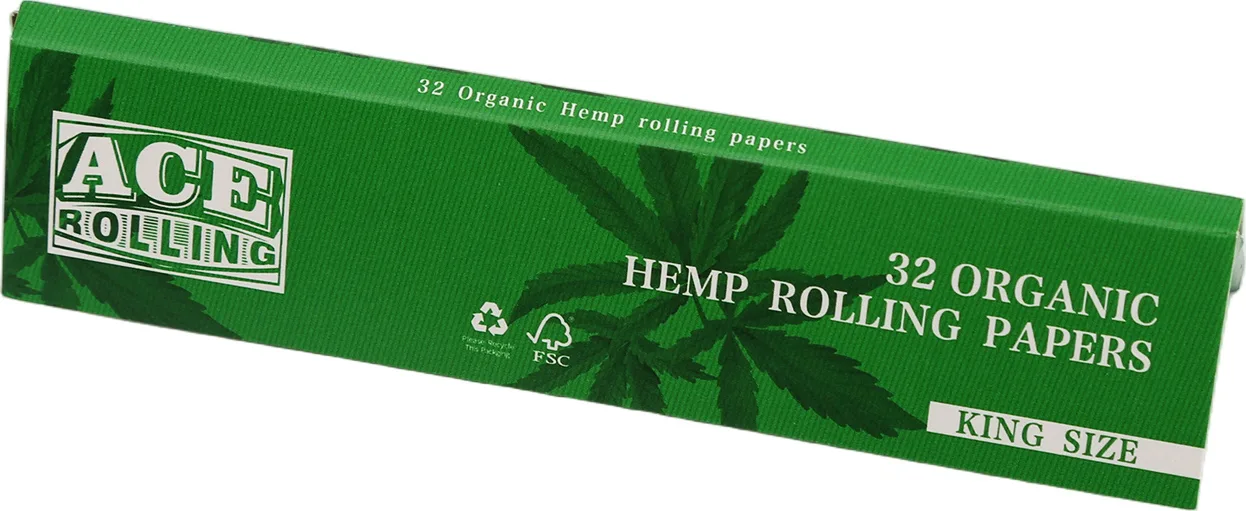
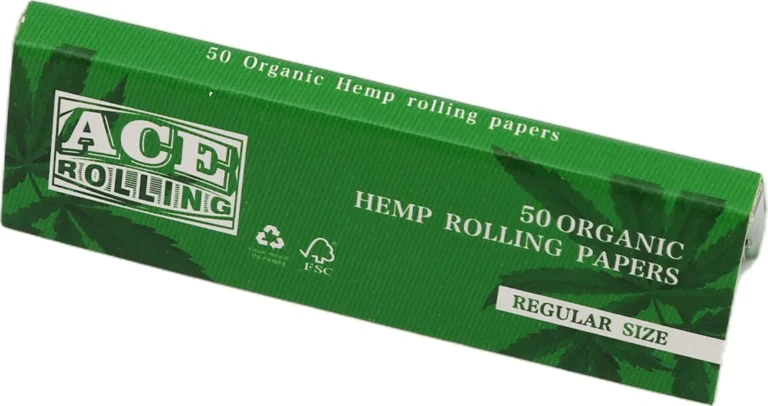
Ace Signature and OEM hemp lines (including organic hemp messaging on applicable packs) sit in this lane. Sample GSM before you print a “slow burn hemp” claim.
أوراق لف من لب الخشب
Wood pulp is the classic base—tree fiber formed into a sturdier leaf. It appears as bright bleached white أو unbleached brown/tan.
Strengths
- Firm grip; beginner-friendly
- Widely available and familiar on shelves
- Stays lit more readily for quick sessions
Trade-offs
- Faster burn than rice or many hemp SKUs
- More paper taste and ash when the sheet is heavy
- Bleaching/process story matters for “natural” shoppers
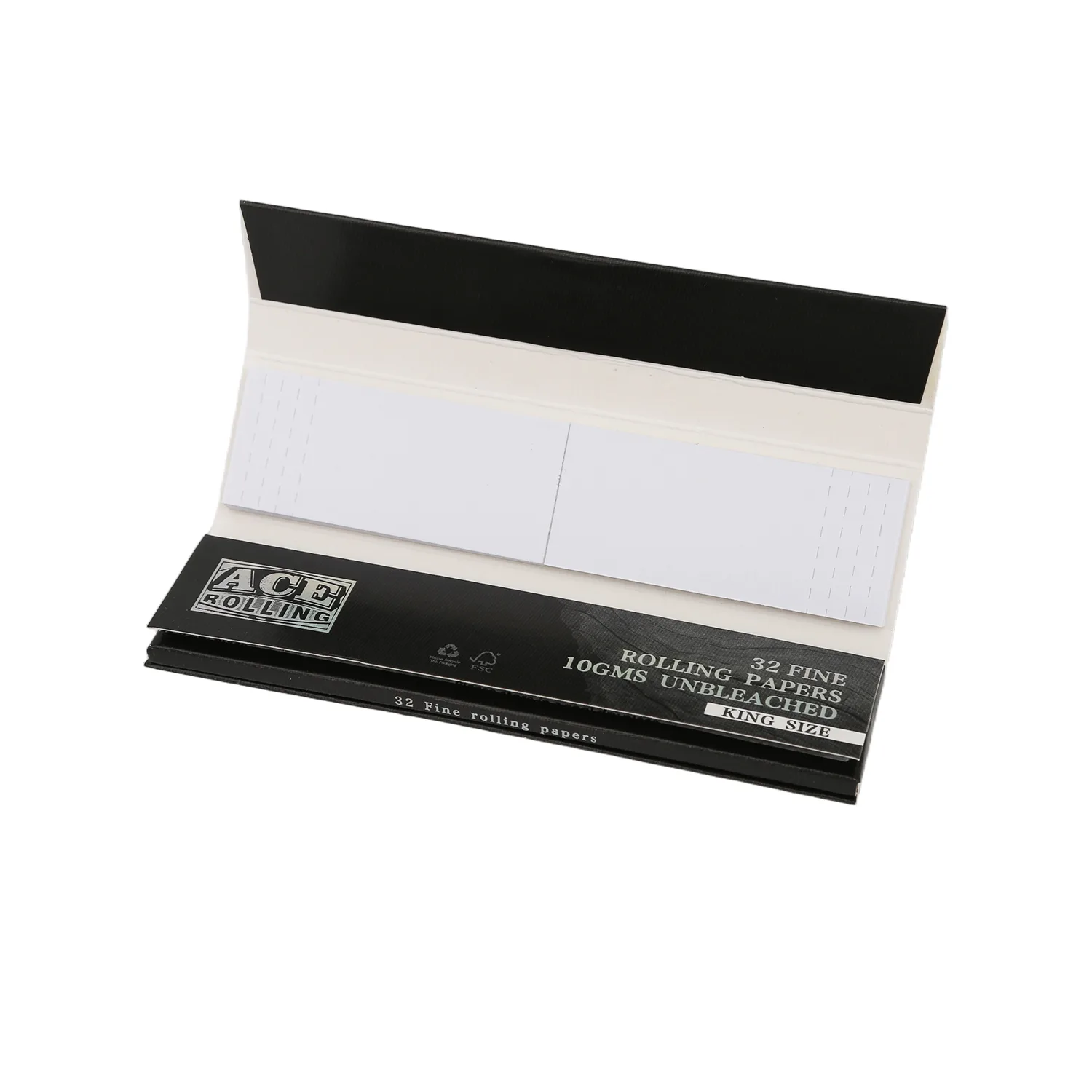
Unbleached pulp is not the same as hemp—read the fiber line on the pack.
Thickness (GSM) Matters as Much as Fiber Name
Fiber answers “what plant.” غرام لكل متر مربع answers how much paper mass burns. Consumer guides often place rice-style in a lower GSM band, hemp in a mid band, and many wood pulp SKUs thicker—but factories can cut thin pulp or thicker hemp. Ace OEM pages highlight ultra-thin / slow-burn positioning (including low-teens gsm and flagship 10gsm-class messaging where applicable).
Rule of thumb: compare fiber + GSM + gum on samples, not fiber logos alone.
Bleached, Unbleached, and Blends
Wood pulp and hemp both appear bleached-white or natural-tan. Color is a process choice, not proof of fiber. A bright white pack can still be pulp; a brown pack can be hemp, unbleached pulp, or a blend. Rice-style leaves are often pale and translucent even without a “kraft” look.
Some retail SKUs blend fibers for strength or cost. If the pack only says “natural” without naming rice, hemp, or wood pulp, treat the fiber as unverified until you get a factory spec sheet.
Which Should You Choose?
| You want… | Start with… |
|---|---|
| Purest flavor / least paper taste | Rice-style ultra-thin |
| Easy roll + natural story | القنب |
| Beginner forgiveness / classic pack | لب الخشب (غالبًا أكثر سمكًا) |
| Private-label first hero | Hemp or wood pulp, then add rice-style |
| أقماع مطابقة | Same fiber story as the booklet |
Shops often stock one hemp hero و one thin rice-style so customers can self-select. Distributors launching a brand should avoid three fibers × three sizes on day one—prove sell-through on a single material first.
For OEM, Ace Rolling commonly starts custom booklet programs around 2,000 وحدة, with sample kits before artwork lock. Arabic gum seals apply on applicable programs across materials. Private-label calendars often run about شهرين concept to delivery, with mass production about أربعة إلى خمسة أسابيع بعد الموافقات.
خلاصة القول
Rice, hemp, and wood pulp differ mainly in thinness, taste interference, burn speed, and rollability: rice for clean slow sessions, hemp for balanced natural daily use, wood pulp for classic easy rolling. Ace Rolling builds hemp, bamboo, and wood pulp programs and can discuss rice-style options for sampling—lock the fiber and GSM on retained samples before you brand bulk.
الأسئلة الشائعة
What’s the difference between rice, hemp, and wood pulp rolling papers?
Rice-style papers are usually ultra-thin with the least taste and a slow burn but harder rolling. Hemp is grippier, mildly earthy, and balanced for everyday use. Wood pulp is the classic, often thicker sheet that is easiest for beginners and typically burns faster. GSM and blends can shift any of those traits.
Which burns slower—rice or hemp?
Rice-style ultra-thin papers usually burn slowest when well made; hemp typically sits in a medium-slow band, still slower than many thick wood pulp sheets. Pack density and watermark matter as much as the fiber name. Confirm with a side-by-side burn test on your fill.
Which material is best for beginners?
Wood pulp or mid-weight hemp is usually easier than ultra-thin rice because of grip and tear resistance. Rice rewards skill and dry hands. Ace Rolling often recommends sampling a forgiving hemp or pulp SKU first for new private-label launches, then adding a thin rice-style line later.
Does Ace Rolling make all three materials?
Ace Rolling’s core OEM and Signature manufacturing directions include hemp, bamboo, and wood pulp, with ultra-thin options and Arabic gum on applicable programs. Rice-style availability should be confirmed on a sample request. Custom booklet MOQs commonly start around 2,000 units after approvals.