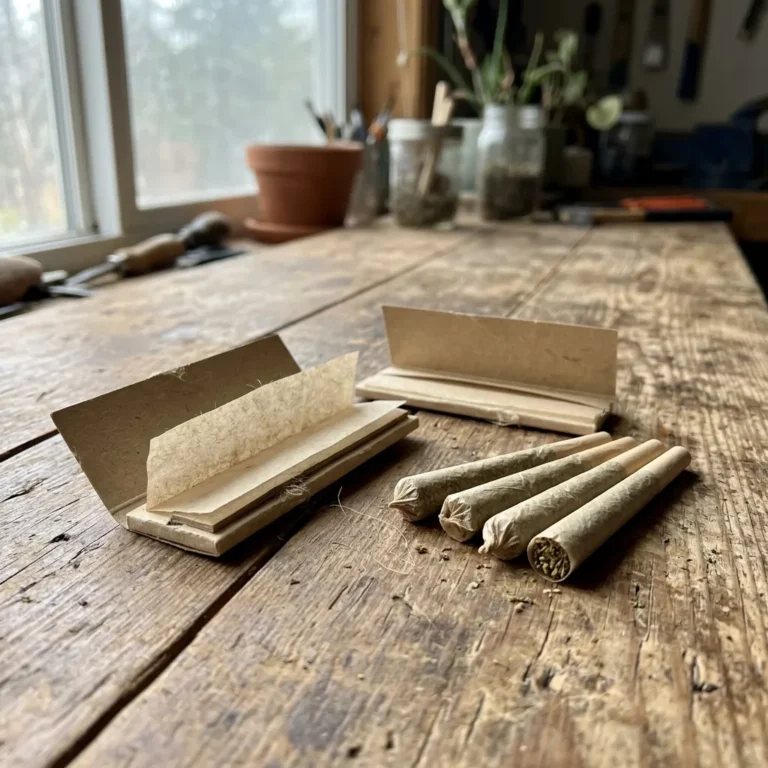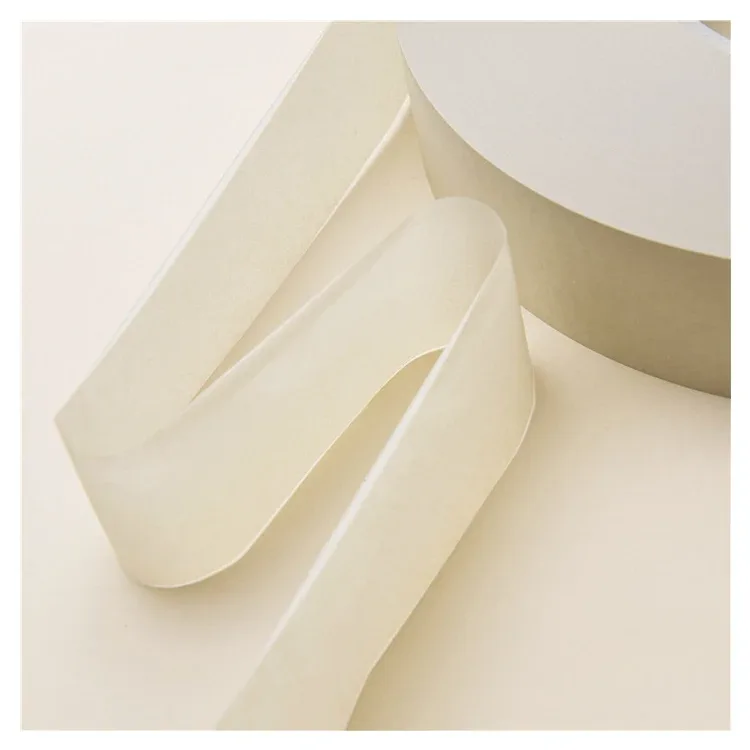

Apa perbedaan antara beras, rami, dan pulp kayu? Dalam kertas gulung, mereka adalah tiga dasar serat tanaman yang berubah rasa, kecepatan pembakaran, abu, dan seberapa mudah daun digulung. Panduan konsumen (termasuk analisis beras / rami / pulp kayu Monkey King) biasanya merankingnya seperti ini: beras untuk rasa paling lambat dan bersih; hemp untuk keseimbangan ekologi dan cengkeraman; bubur kayu untuk lembaran ramah pemula klasik yang sering terbakar lebih cepat.
Ace Rolling memproduksi rami, bambu, dan bubur kayu petunjuk untuk program Signature dan OEM (dengan opsi ultra-tipis dan gum Arab pada SKU yang berlaku). Lembaran gaya beras adalah kategori pasar umum—tanyakan pabrik apa yang tersedia untuk sampel jika beras adalah brief utama Anda. Nama serat saja tidak menggantikan uji bakar.
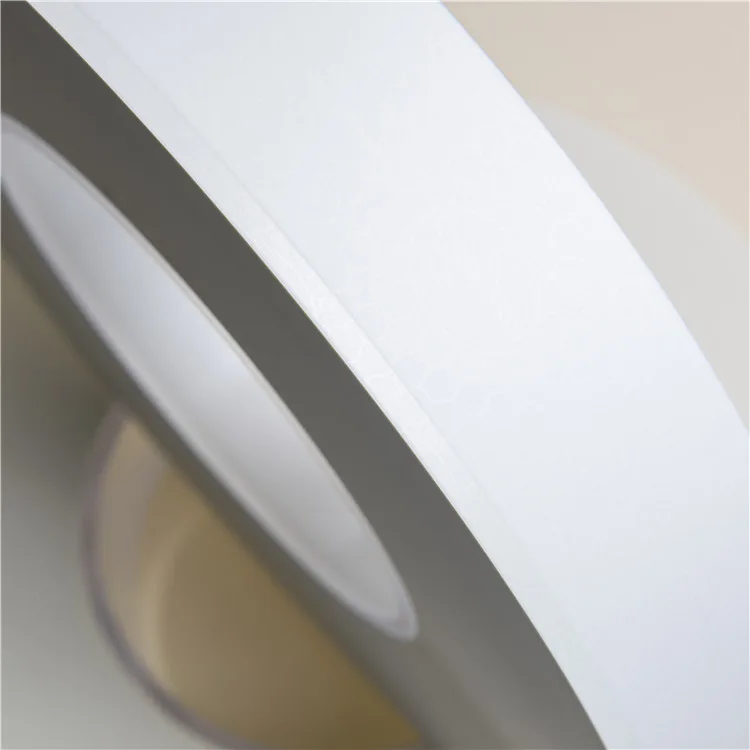
Perbandingan Sisi-demi-Sisi
| Faktor | Gaya beras | Hemp | Bubur kayu |
|---|---|---|---|
| Rasa khas | Ultra-tipis, halus, transparan | Sedang, sedikit bertekstur | Sering lebih tebal / kaku |
| Rasa | Rasa kertas paling sedikit / hampir netral | Catatan tanah ringan atau sedikit manis | Paling “seperti kertas,” terutama yang diputihkan lebih tebal |
| Pembakaran (khas) | Sesi terpelan / terpanjang | Sedang-pelan, merata | Lebih cepat dari beras atau rami |
| Abu | Sangat rendah saat tipis | Rendah–sedang | Lebih tinggi / lebih terlihat |
| Kemampuan Menggulung | Paling sulit untuk pemula | Keseimbangan harian termudah | Sangat memaafkan untuk pemula |
| Cerita eco | Naratif produk sampingan pertanian | Cerita regeneratif / alami yang kuat | Pemutihan vs tanpa pemutihan mengubah cerita |
| Terbaik untuk | Pemurni rasa, penggulung terampil | Pembeli alami sehari-hari, label pribadi | Pemula, nilai / paket putih klasik |
Anggap baris pembakaran/rasa sebagai pola industri khas. GSM, watermark, campuran, dan kepadatan kemasan dapat menggeser SKU naik atau turun di tabel.
Kertas Gulung Beras
Kertas gaya beras dibuat dari serat beras olahan atau bahan baku terkait beras (beberapa label warisan “kertas beras” secara historis berarti lembaran halus ultra-tipis—tidak selalu beras literal). Merek alami modern biasanya berarti serat beras atau daun ultra-tipis gaya beras.
Kelebihan
- Gangguan rasa minimal—herbal atau tembakau yang mendominasi
- Pembakaran lambat dan abu rendah saat lembaran benar-benar tipis
- Posisi bersih, untuk penikmat
Pertukaran
- Licin, rentan robek untuk penggulung baru
- Kelembapan dapat membuat penanganan lebih buruk
- Memerlukan teknik lipat dan segel yang hati-hati
Choose rice when least paper taste is the KPI—not when you need a forgiving first-roll SKU.
Hemp Rolling Papers
Hemp papers use industrial hemp plant fiber. Monkey King–style explainers call out textured grip, a burn between rice and wood pulp, and a mild natural taste some buyers like.
Kelebihan
- Easier to roll than ultra-thin rice
- Strong “natural / organic / eco” merchandising
- Durable enough for daily use and private-label volume
Pertukaran
- Not fully tasteless—mild plant note vs rice neutrality
- Unbleached tan color is a brand choice some markets love, some do not
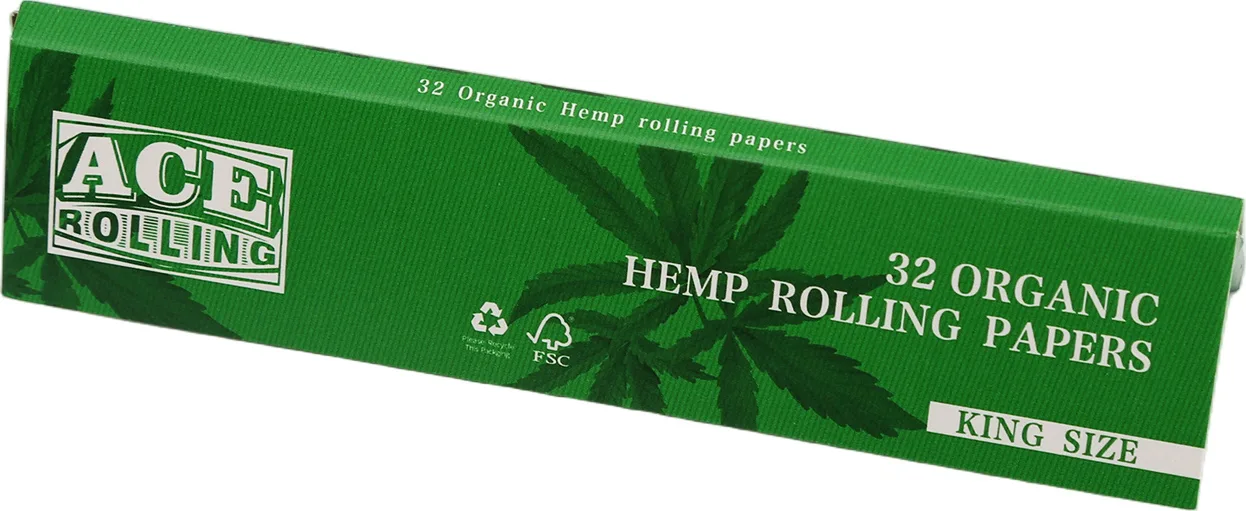
Ace Signature and OEM hemp lines (including organic hemp messaging on applicable packs) sit in this lane. Sample GSM before you print a “slow burn hemp” claim.
Kertas Gulung Pulp Kayu
Wood pulp is the classic base—tree fiber formed into a sturdier leaf. It appears as bright bleached white atau unbleached brown/tan.
Kelebihan
- Firm grip; beginner-friendly
- Widely available and familiar on shelves
- Stays lit more readily for quick sessions
Pertukaran
- Faster burn than rice or many hemp SKUs
- More paper taste and ash when the sheet is heavy
- Bleaching/process story matters for “natural” shoppers
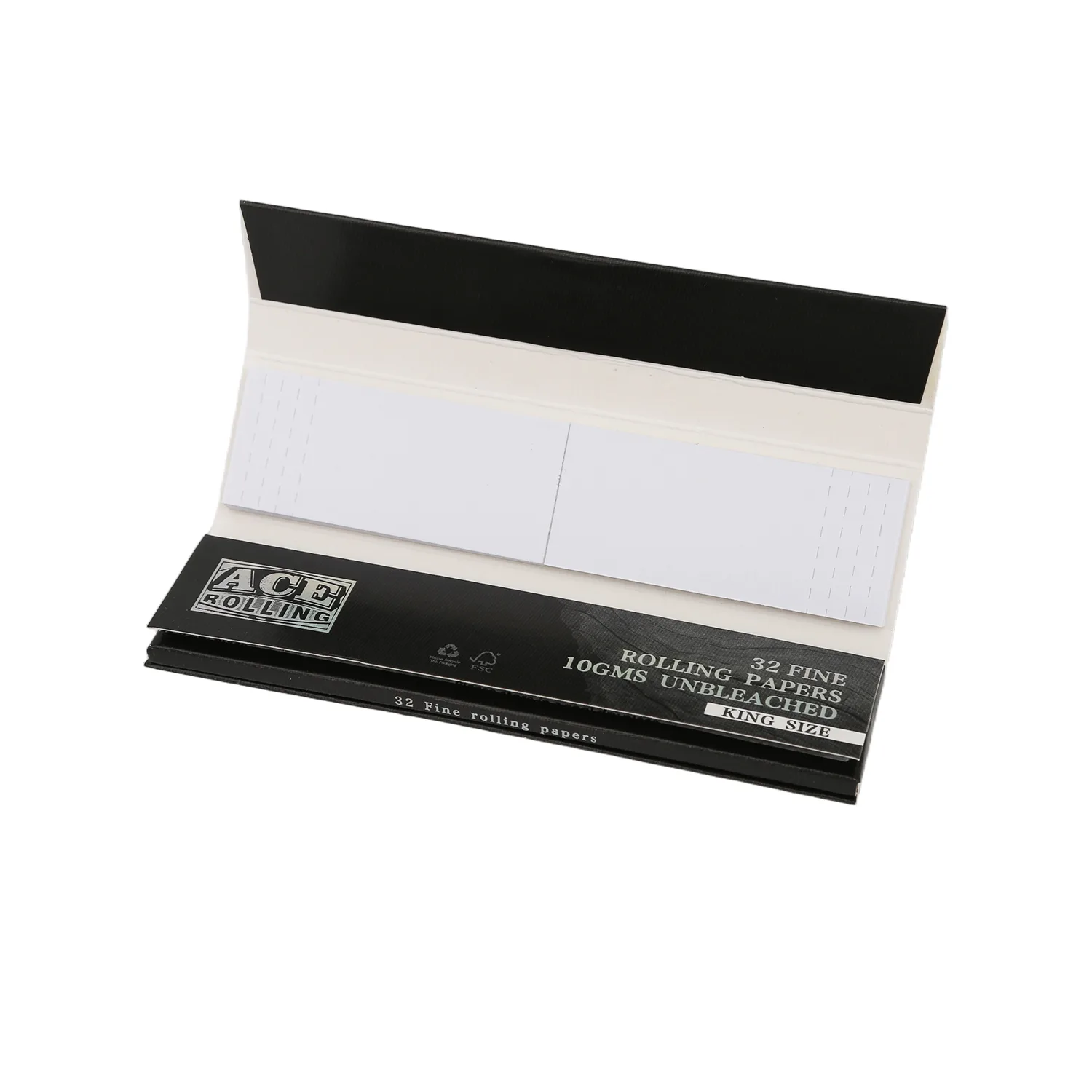
Unbleached pulp is not the same as hemp—read the fiber line on the pack.
Thickness (GSM) Matters as Much as Fiber Name
Fiber answers “what plant.” GSM answers how much paper mass burns. Consumer guides often place rice-style in a lower GSM band, hemp in a mid band, and many wood pulp SKUs thicker—but factories can cut thin pulp or thicker hemp. Ace OEM pages highlight ultra-thin / slow-burn positioning (including low-teens gsm and flagship 10gsm-class messaging where applicable).

Rule of thumb: compare fiber + GSM + gum on samples, not fiber logos alone.
Bleached, Unbleached, and Blends
Wood pulp and hemp both appear bleached-white or natural-tan. Color is a process choice, not proof of fiber. A bright white pack can still be pulp; a brown pack can be hemp, unbleached pulp, or a blend. Rice-style leaves are often pale and translucent even without a “kraft” look.
Some retail SKUs blend fibers for strength or cost. If the pack only says “natural” without naming rice, hemp, or wood pulp, treat the fiber as unverified until you get a factory spec sheet.
Which Should You Choose?
| You want… | Start with… |
|---|---|
| Purest flavor / least paper taste | Gaya beras ultra-tipis |
| Easy roll + natural story | Hemp |
| Beginner forgiveness / classic pack | Bubur kayu (sering lebih tebal) |
| Private-label first hero | Hemp or wood pulp, then add rice-style |
| Kertas gulung yang cocok | Same fiber story as the booklet |
Shops often stock one hemp hero dan one thin rice-style so customers can self-select. Distributors launching a brand should avoid three fibers × three sizes on day one—prove sell-through on a single material first.
For OEM, Ace Rolling commonly starts custom booklet programs around 2.000 unit, with sample kits before artwork lock. Arabic gum seals apply on applicable programs across materials. Private-label calendars often run about dua bulan concept to delivery, with mass production about empat hingga lima minggu setelah persetujuan.
Intinya
Rice, hemp, and wood pulp differ mainly in thinness, taste interference, burn speed, and rollability: rice for clean slow sessions, hemp for balanced natural daily use, wood pulp for classic easy rolling. Ace Rolling builds hemp, bamboo, and wood pulp programs and can discuss rice-style options for sampling—lock the fiber and GSM on retained samples before you brand bulk.
FAQ
What’s the difference between rice, hemp, and wood pulp rolling papers?
Rice-style papers are usually ultra-thin with the least taste and a slow burn but harder rolling. Hemp is grippier, mildly earthy, and balanced for everyday use. Wood pulp is the classic, often thicker sheet that is easiest for beginners and typically burns faster. GSM and blends can shift any of those traits.
Which burns slower—rice or hemp?
Rice-style ultra-thin papers usually burn slowest when well made; hemp typically sits in a medium-slow band, still slower than many thick wood pulp sheets. Pack density and watermark matter as much as the fiber name. Confirm with a side-by-side burn test on your fill.
Which material is best for beginners?
Wood pulp or mid-weight hemp is usually easier than ultra-thin rice because of grip and tear resistance. Rice rewards skill and dry hands. Ace Rolling often recommends sampling a forgiving hemp or pulp SKU first for new private-label launches, then adding a thin rice-style line later.
Does Ace Rolling make all three materials?
Ace Rolling’s core OEM and Signature manufacturing directions include hemp, bamboo, and wood pulp, with ultra-thin options and Arabic gum on applicable programs. Rice-style availability should be confirmed on a sample request. Custom booklet MOQs commonly start around 2,000 units after approvals.