
¿Cuál es la diferencia entre arroz, cáñamo y pulpa de madera? En los papeles de liar, son tres bases de fibra vegetal que cambian sabor, velocidad de quemado, ceniza y qué tan fácil es liar la hoja. Las guías del consumidor (incluyendo el desglose de arroz/cáñamo/pulpa de madera de Monkey King) generalmente los clasifican así: arroz para el sabor más lento y limpio; cáñamo para equilibrio ecológico y agarre; pulpa de madera para hojas clásicas amigables para principiantes que suelen quemarse más rápido.
Ace Rolling fabrica cáñamo, bambú y pulpa de madera instrucciones para programas Signature y OEM (con opciones ultra finas y goma arábiga en los SKU aplicables). Las hojas estilo arroz son una categoría común de mercado—pregunte a la fábrica qué hay disponible para probar si el arroz es su brief principal. El nombre de la fibra por sí solo no reemplaza una prueba de combustión.
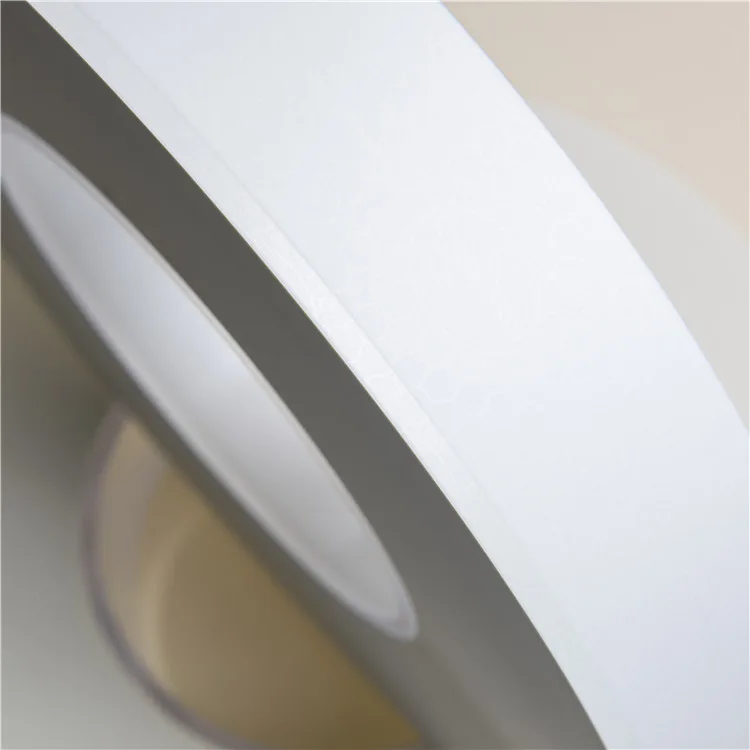
Comparación Cara a Cara
| Factor | Estilo arroz | Cáñamo | Pulpa de madera |
|---|---|---|---|
| Sensación típica | Ultradelgada, suave, translúcida | Media, ligeramente texturizada | A menudo más grueso / más rígido |
| Sabor | Menor sabor a papel / casi neutro | Nota terrosa suave o ligeramente dulce | El más “papeloso”, especialmente los blanqueados más gruesos |
| Quemadura (típica) | Sesión más lenta / larga | Media-lenta, uniforme | Más rápido que arroz o cáñamo |
| Ceniza | Muy baja cuando es delgada | Bajo–moderado | Más alta / más visible |
| Capacidad de Enrollado | Más difícil para principiantes | Equilibrio diario más fácil | Muy indulgente para principiantes |
| Historia ecológica | Narrativa de subproducto agrícola | Fuerte narrativa regenerativa / natural | Blanqueado vs sin blanquear cambia la narrativa |
| Ideal para | Puristas del sabor, enrolladores hábiles | Compradores naturales cotidianos, marca privada | Principiantes, valor / paquetes blancos clásicos |
Tratar filas de quemadura/sabor como patrones típicos de la industria. El GSM, la filigrana, la mezcla y la densidad del paquete pueden mover un SKU hacia arriba o hacia abajo en la tabla.
Papeles de Arroz para Enrollar
Los papeles estilo arroz están hechos de fibra de arroz procesada o material relacionado con el arroz (algunas etiquetas históricas de “papel de arroz” significaban hojas refinadas ultradelgadas, no siempre literalmente arroz). Las marcas naturales modernas suelen significar una hoja de fibra de arroz o estilo arroz ultradelgada.
Fortalezas
- Interferencia de sabor mínima—la hierba o el tabaco lideran
- Quemadura lenta y ceniza baja cuando la hoja es verdaderamente delgada
- Posicionamiento limpio y de conocedor
Compensaciones
- Slippery, tear-prone for new rollers
- Humidity can make handling worse
- Demands careful tuck-and-seal technique
Choose rice when least paper taste is the KPI—not when you need a forgiving first-roll SKU.
Hemp Rolling Papers
Hemp papers use industrial hemp plant fiber. Monkey King–style explainers call out textured grip, a burn between rice and wood pulp, and a mild natural taste some buyers like.
Fortalezas
- Easier to roll than ultra-thin rice
- Strong “natural / organic / eco” merchandising
- Durable enough for daily use and private-label volume
Compensaciones
- Not fully tasteless—mild plant note vs rice neutrality
- Unbleached tan color is a brand choice some markets love, some do not
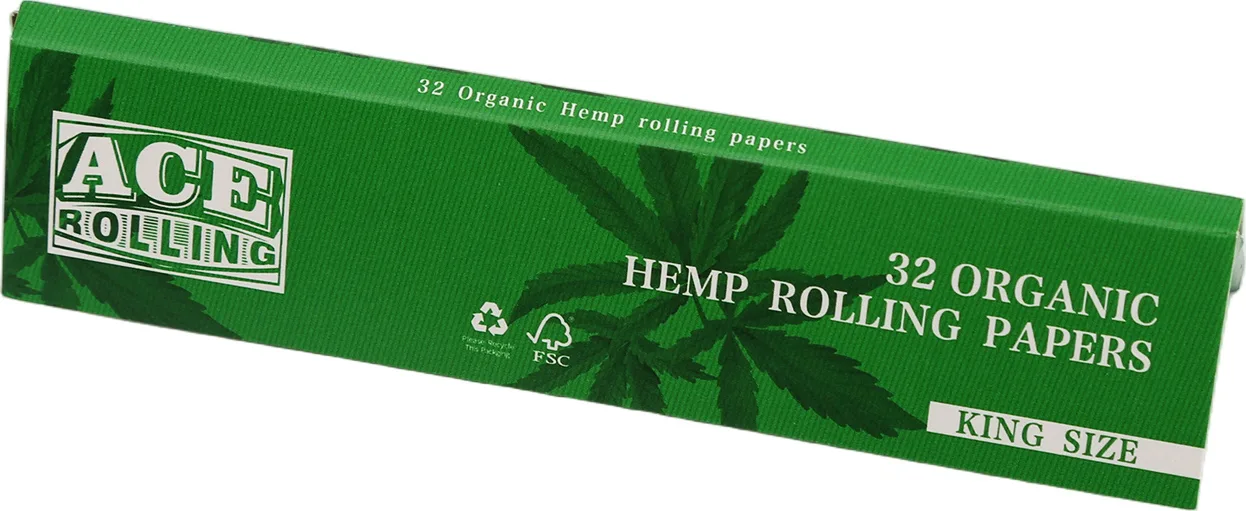
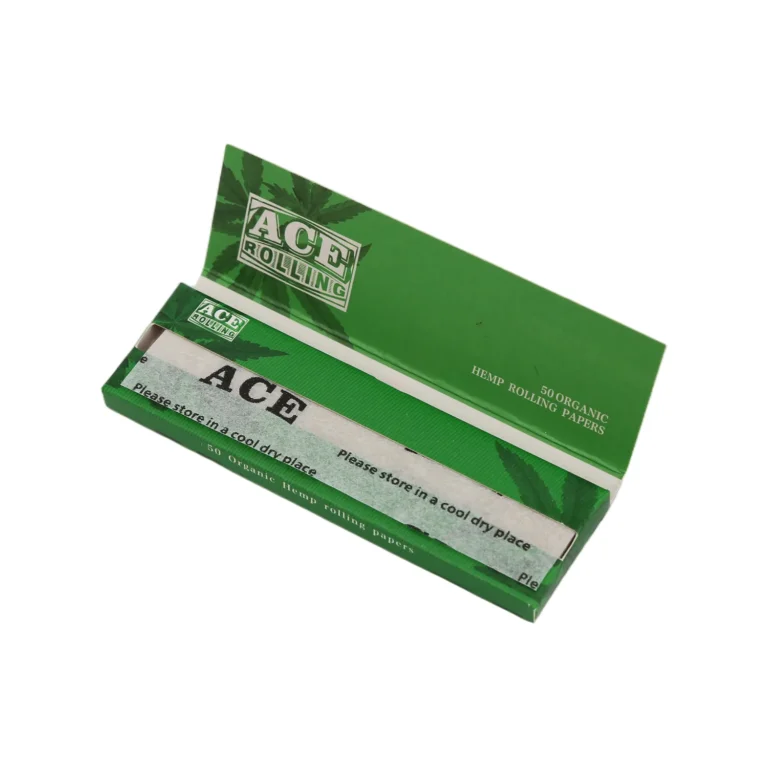
Ace Signature and OEM hemp lines (including organic hemp messaging on applicable packs) sit in this lane. Sample GSM before you print a “slow burn hemp” claim.
Papeles de Enrollar de Pulpa de Madera
Wood pulp is the classic base—tree fiber formed into a sturdier leaf. It appears as bright bleached white o unbleached brown/tan.
Fortalezas
- Firm grip; beginner-friendly
- Widely available and familiar on shelves
- Stays lit more readily for quick sessions
Compensaciones
- Faster burn than rice or many hemp SKUs
- More paper taste and ash when the sheet is heavy
- Bleaching/process story matters for “natural” shoppers
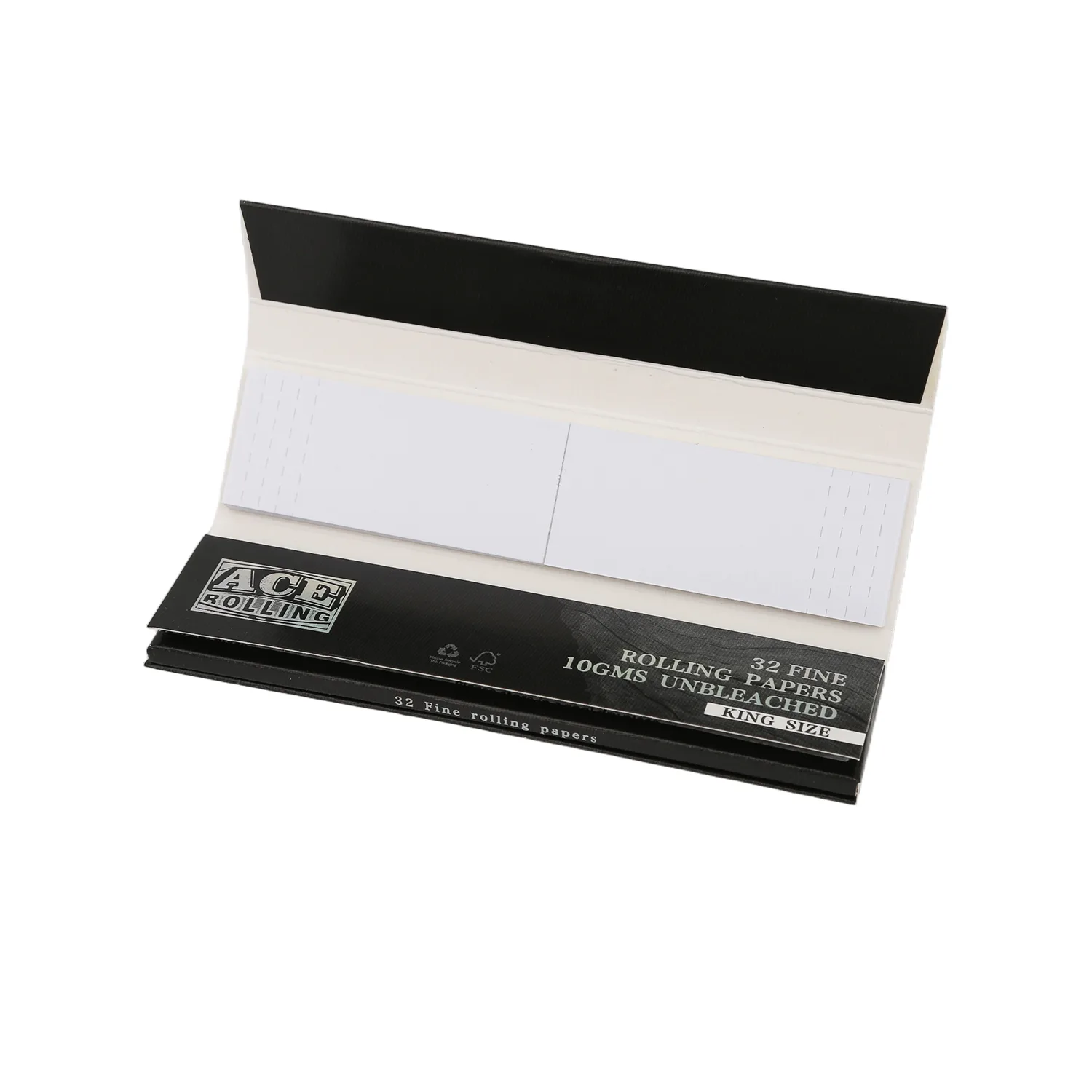
Unbleached pulp is not the same as hemp—read the fiber line on the pack.
Thickness (GSM) Matters as Much as Fiber Name
Fiber answers “what plant.” g/m² answers how much paper mass burns. Consumer guides often place rice-style in a lower GSM band, hemp in a mid band, and many wood pulp SKUs thicker—but factories can cut thin pulp or thicker hemp. Ace OEM pages highlight ultra-thin / slow-burn positioning (including low-teens gsm and flagship Clase de 10gsm messaging where applicable).

Rule of thumb: compare fiber + GSM + gum on samples, not fiber logos alone.
Bleached, Unbleached, and Blends
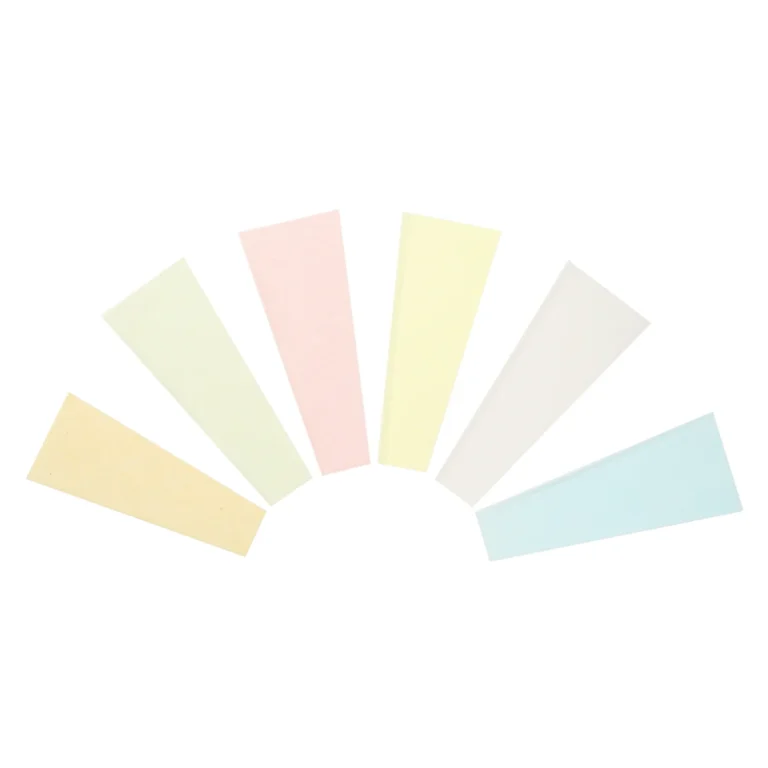
Wood pulp and hemp both appear bleached-white or natural-tan. Color is a process choice, not proof of fiber. A bright white pack can still be pulp; a brown pack can be hemp, unbleached pulp, or a blend. Rice-style leaves are often pale and translucent even without a “kraft” look.
Some retail SKUs blend fibers for strength or cost. If the pack only says “natural” without naming rice, hemp, or wood pulp, treat the fiber as unverified until you get a factory spec sheet.
Which Should You Choose?
| You want… | Start with… |
|---|---|
| Purest flavor / least paper taste | Estilo arroz ultra fino |
| Easy roll + natural story | Cáñamo |
| Beginner forgiveness / classic pack | Pulpa de madera (a menudo más gruesa) |
| Private-label first hero | Hemp or wood pulp, then add rice-style |
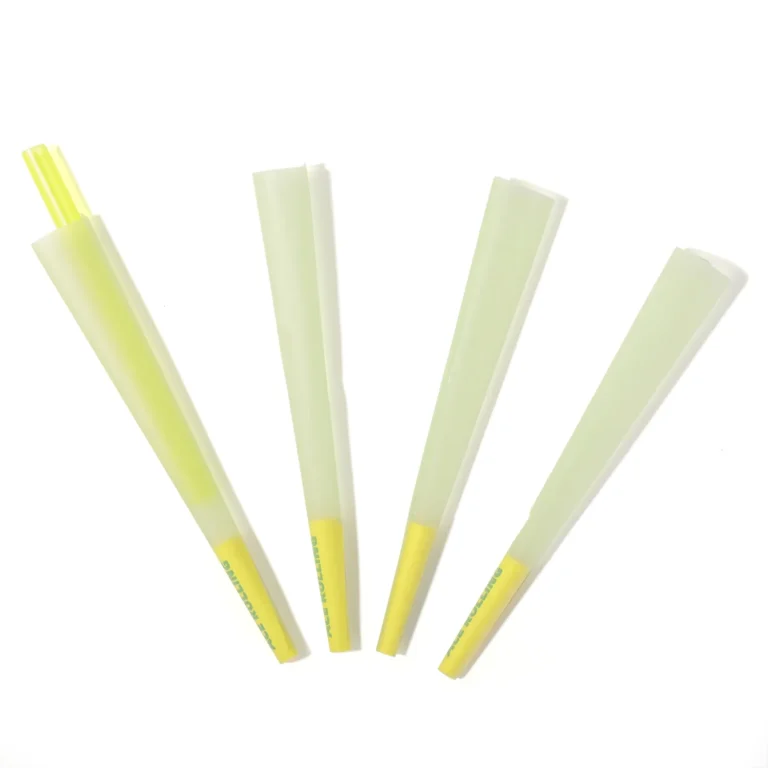
| Conos coincidentes | Same fiber story as the booklet |
Shops often stock one hemp hero y one thin rice-style so customers can self-select. Distributors launching a brand should avoid three fibers × three sizes on day one—prove sell-through on a single material first.
For OEM, Ace Rolling commonly starts custom booklet programs around 2,000 unidades, with sample kits before artwork lock. Arabic gum seals apply on applicable programs across materials. Private-label calendars often run about dos meses concept to delivery, with mass production about cuatro a cinco semanas después de las aprobaciones.
Conclusión
Rice, hemp, and wood pulp differ mainly in thinness, taste interference, burn speed, and rollability: rice for clean slow sessions, hemp for balanced natural daily use, wood pulp for classic easy rolling. Ace Rolling builds hemp, bamboo, and wood pulp programs and can discuss rice-style options for sampling—lock the fiber and GSM on retained samples before you brand bulk.
Preguntas frecuentes
What’s the difference between rice, hemp, and wood pulp rolling papers?
Rice-style papers are usually ultra-thin with the least taste and a slow burn but harder rolling. Hemp is grippier, mildly earthy, and balanced for everyday use. Wood pulp is the classic, often thicker sheet that is easiest for beginners and typically burns faster. GSM and blends can shift any of those traits.
Which burns slower—rice or hemp?
Rice-style ultra-thin papers usually burn slowest when well made; hemp typically sits in a medium-slow band, still slower than many thick wood pulp sheets. Pack density and watermark matter as much as the fiber name. Confirm with a side-by-side burn test on your fill.
Which material is best for beginners?
Wood pulp or mid-weight hemp is usually easier than ultra-thin rice because of grip and tear resistance. Rice rewards skill and dry hands. Ace Rolling often recommends sampling a forgiving hemp or pulp SKU first for new private-label launches, then adding a thin rice-style line later.
Does Ace Rolling make all three materials?
Ace Rolling’s core OEM and Signature manufacturing directions include hemp, bamboo, and wood pulp, with ultra-thin options and Arabic gum on applicable programs. Rice-style availability should be confirmed on a sample request. Custom booklet MOQs commonly start around 2,000 units after approvals.