
How are custom rolling papers made? In short: paper mills supply master rolls → converting lines slit, gum, and condition bobbins → booklets and boxes get printed and die-cut → leaves are interleaved into branded packs → QC and export finish the job. “Custom” usually means your logo, colors, material, size, watermark, and packaging ride on that same converting path—not a handmade sheet-by-sheet craft for every order.
Competitor explainers (including Roll Your Own Papers’ “7 easy steps” factory tour) walk gum prep, master rolls, conditioning, wrapping, print, assembly, and shipping. Ace Rolling manufactures rolling papers, pre-rolled cones, and packaging for white-label and OEM/ODM brands. Below is the buyer-facing process: what factories actually do, where branding enters, and how Ace typically moves a project from brief to pallet.
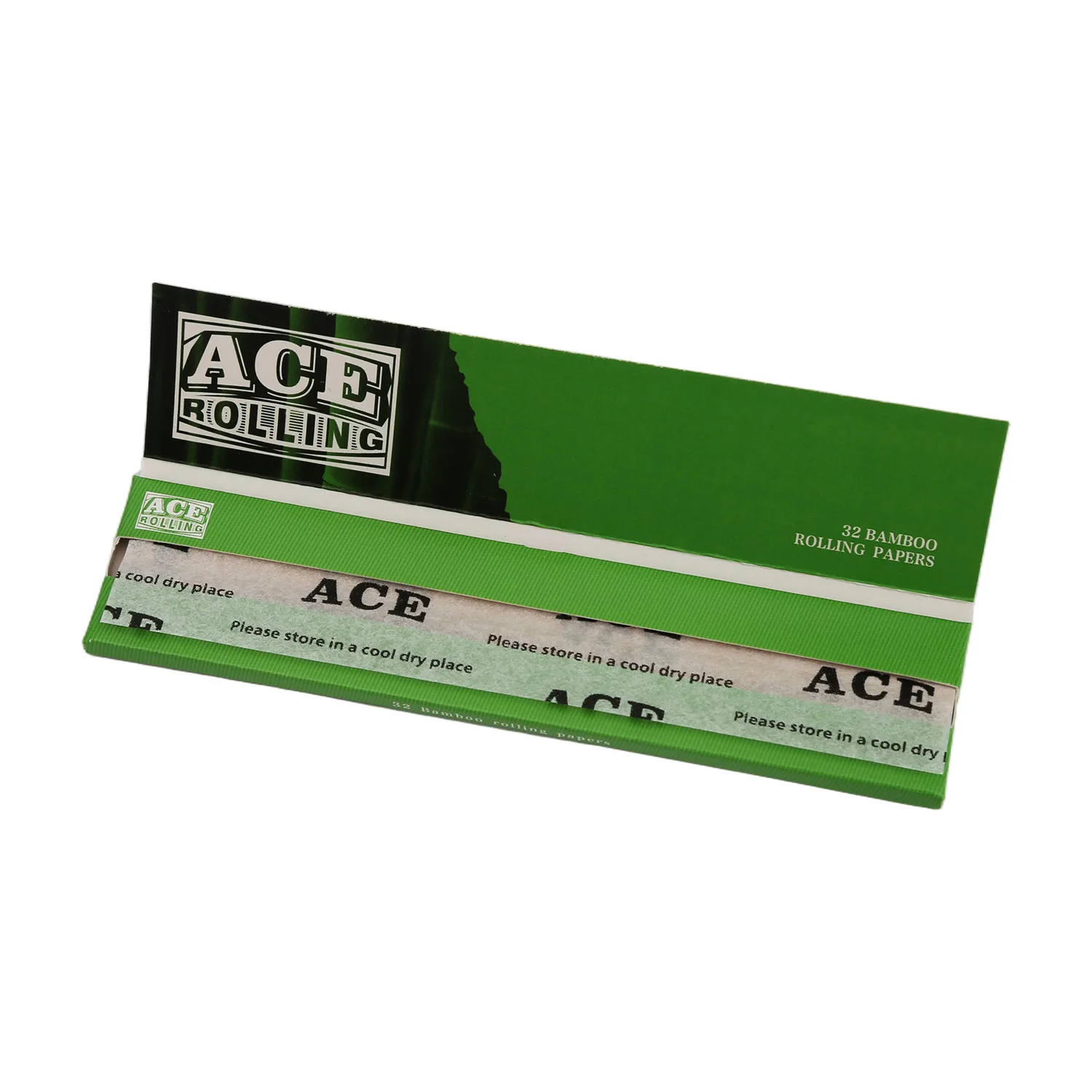
Custom vs Standard: Same Machines, Different Specs
| Stage | Standard / house stock | Custom / private label |
|---|---|---|
| Paper | Proven material + GSM | Chosen hemp, bamboo, wood pulp, flax, ultra-thin targets |
| Gum | Factory default Arabic/Acacia line | Same chemistry family; adhesion tested to your leaf |
| Existing SKU art | Your cover (and optional leaf) artwork | |
| Watermark | Catalog pattern | Straight, criss-cross, plain, or logo watermark where process allows |
| Pack | Stock booklet / display | Your dielines, finishes, tips, cartons |
| QC gate | Lot release to catalog | Retained sample vs approved proof |
You are not inventing papermaking from scratch. You are locking a spec stack and riding industrial converting.
The Factory Path in 7 Steps
1. Materials and gum readiness
Rolling paper starts as fiber—commonly wood pulp, hemp, bamboo, rice-style, or flax blends—formed into thin sheet stock at a paper mill. Ace Rolling’s OEM messaging highlights premium pulp supply relationships (including Hengfeng Group on flagship pages) and natural Arabic / Acacia gum for the seal strip.
On the gum side, industry producers dissolve and condition gum so it lays as a thin, even edge that activates with moisture and holds without thick taste. Exact supplier origins and mix recipes vary by factory; treat competitor “Sudan acacia at 65 °C” details as *their* plant story, not a universal formula. For buyers, the test that matters is: gum sticks cleanly, does not flake, and does not overwhelm the smoke.
2. Master rolls become size bobbins
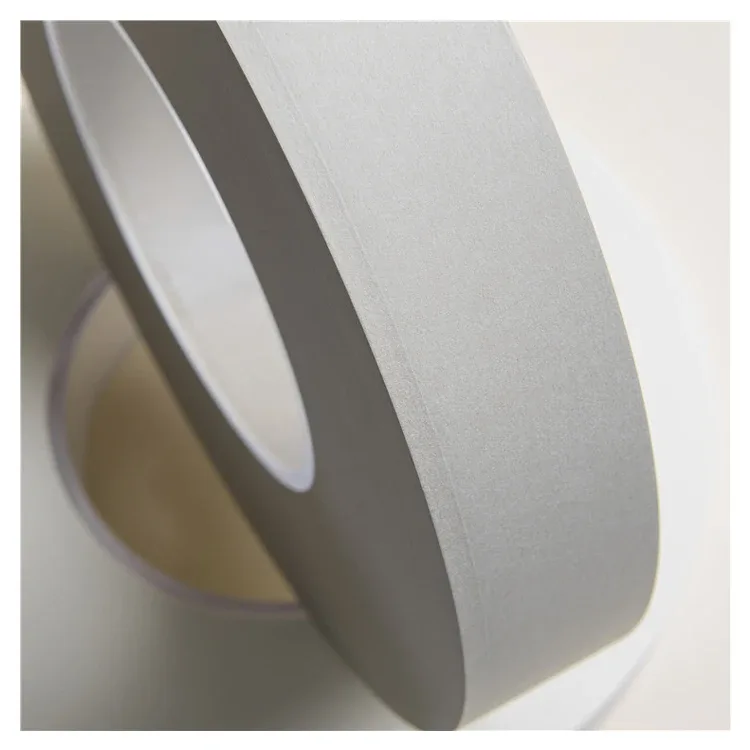
Mills ship wide master rolls. Converting machinery slits those rolls into narrower bobbins matched to the finished leaf width (for example, king-slim-style and 1¼ programs often sit near common industry widths such as ~44 mm; single-wide formats are narrower). During or after slitting, the gum line is applied so every leaf already carries its seal edge.
This is where volume and consistency live. A bobbin is industrial paper inventory—not a finished booklet yet.
3. Conditioning and handling
Gummed bobbins are typically rested in controlled temperature and humidity so paper and gum stabilize before high-speed cutting and interleaving. Skipping conditioning shows up later as curl, gum bloom, or jam rates on the booklet line. Buyers rarely see this room on a sales call—but it is why “same paper, different week” can feel different if a plant rushes climate control.
4. Sheet strength, watermark, and cut
Depending on the product, converters may reinforce handling, apply watermarks (straight lines, criss-cross slow-burn patterns, or custom marks), and cut leaves to length. Ultra-thin targets (Ace often positions premium ultra-thin and slow-burn programs in the low-teens gsm range on OEM pages; flagship messaging also references 10gsm-class options where applicable) need tighter process control: thin paper tears easier and shows print and gum defects faster.
Burn evenness is checked here or in lab sampling—canoeing and edge flare are usually porosity, watermark, and fill issues working together, not “magic ink.”
5. Printing and packaging structures
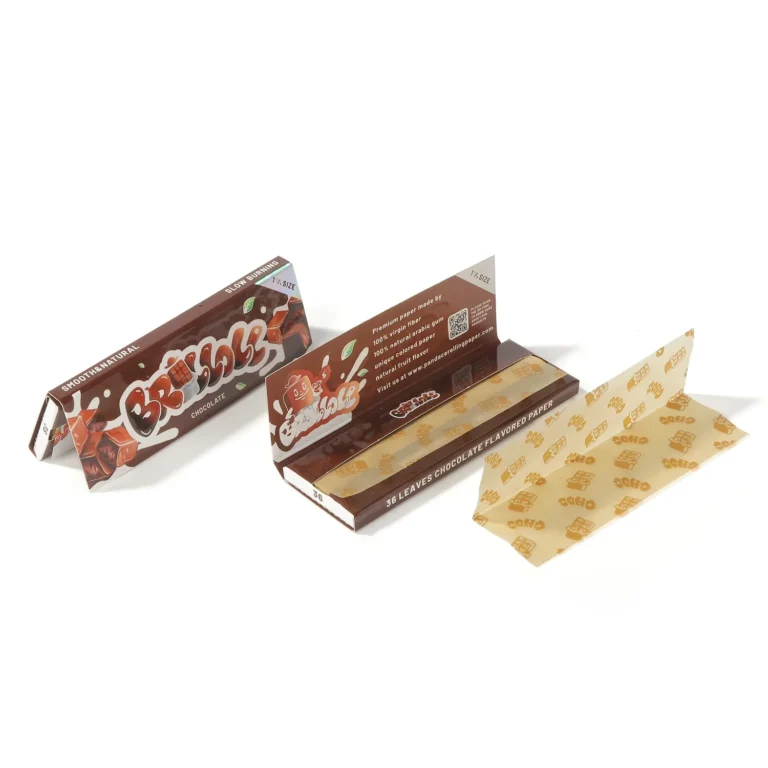
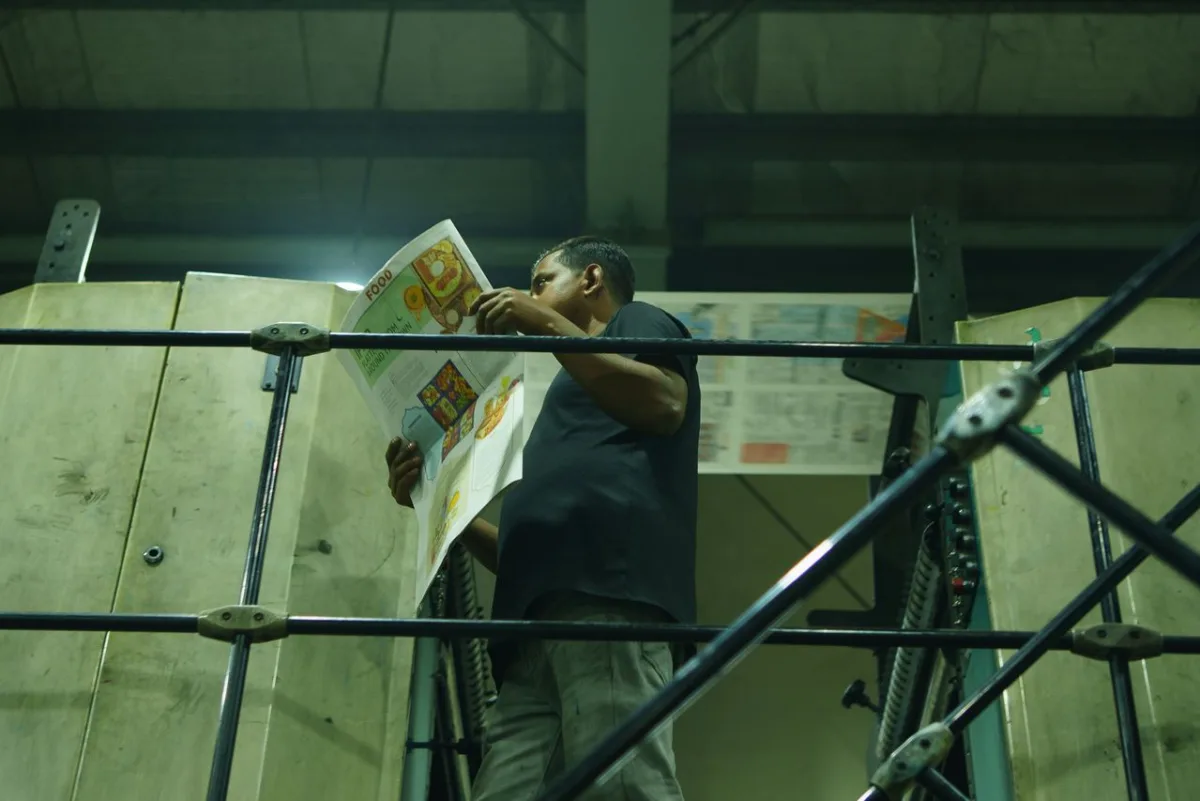
Custom branding usually lands hardest on covers, bands, display boxes, and cartons. Factories print booklet wrappers and retail packaging (often offset or other commercial print), then laminate or finish as specified (matte, gloss, soft-touch, foil, UV—quote-dependent), then die-cut to the booklet or box shape.
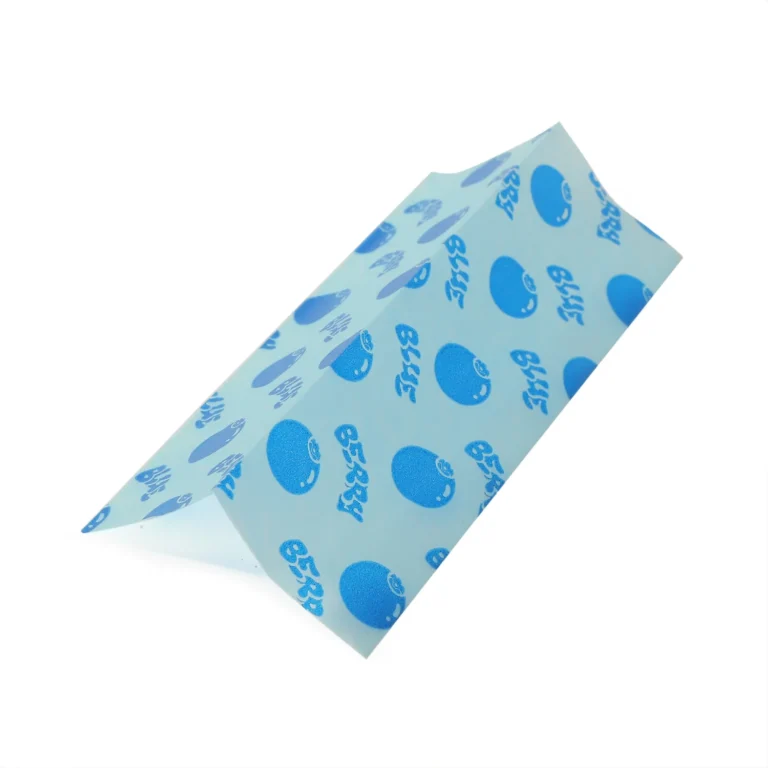
Leaf print (logo or pattern on the rolling sheet itself) is a separate process decision: more brand impact, more setup, and stricter food-contact ink discipline. Ace OEM programs commonly support cover branding and, where the process allows, leaf print—confirm on samples, not on a mockup alone.
6. Interleaving: bobbins become booklets
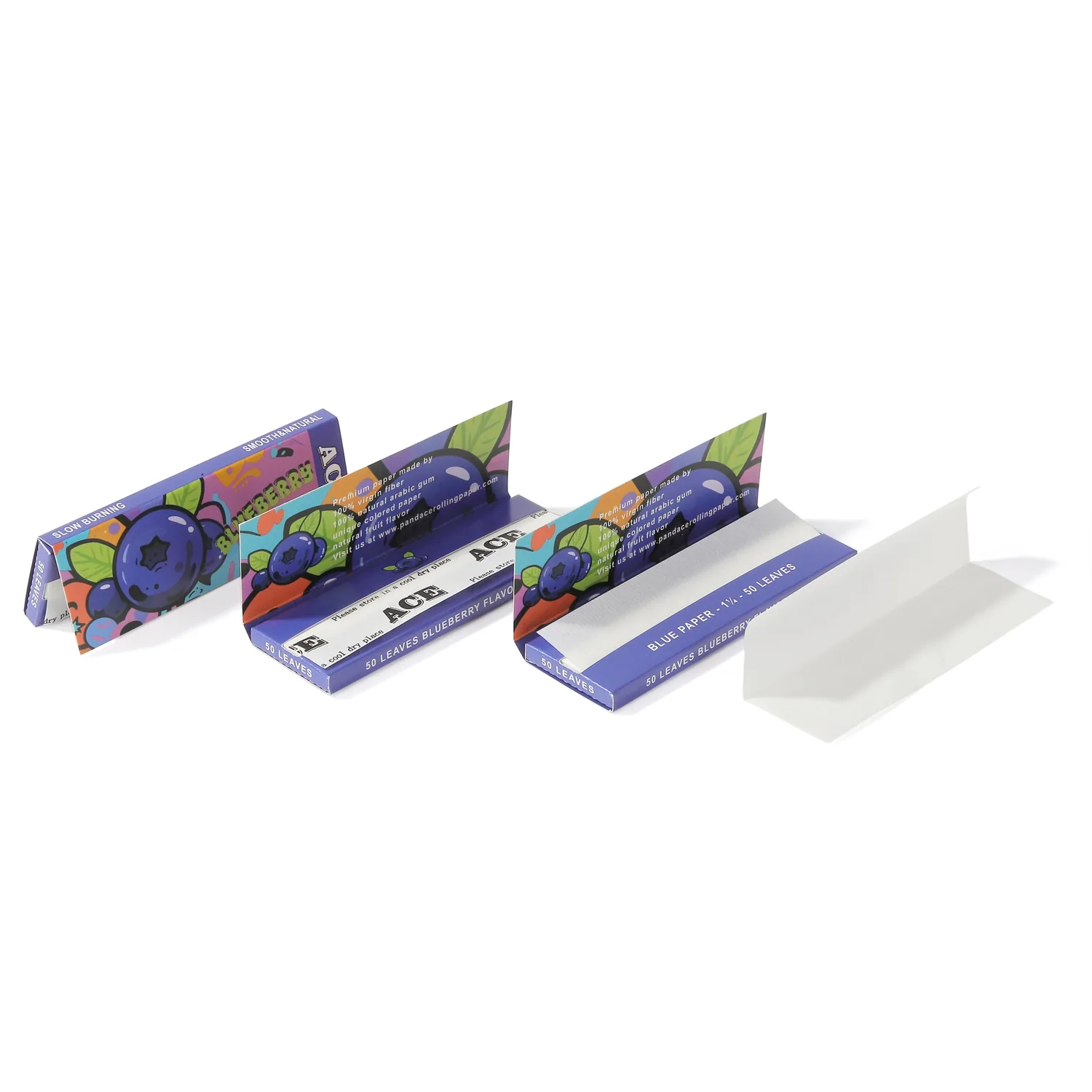
This is the step consumers finally recognize. Cut leaves are interleaved into a booklet stack, a starter/cover sheet is added, the printed outer wrap is applied, and optional tips / crutches are inserted when the SKU includes them. High-speed lines pack booklets into display boxes and outer cartons in one flow so counts stay accurate and waste stays low.
Competitor plants advertise specific booklet-per-minute rates; Ace does not need those numbers to explain the job. What buyers should demand: leaf count accuracy (32 / 40 / 50 / 100 / up to Ace’s advertised high-count booklet options such as 120-leaf capability on flagship OEM messaging), clean folds, no crushed corners, and matching print registration.
7. QC, packing, and shipping
Finished goods get visual screening and AQL-style sampling against the approved retained sample—print color, gum adhesion, leaf count, burn checks as agreed. Then cartons are labeled for the destination market, export docs are prepared, and freight moves by air or sea.
Ace Rolling commonly plans private-label work around about two months concept to delivery, with mass production often about four to five weeks after specs and proofs are locked. Artwork delays, complex packaging, and ocean schedules change the calendar.
Where Your Brand Enters the Line (Ace OEM View)
Ace’s published OEM/ODM path compresses the industrial steps into four buyer gates:
- Brief — material, GSM, size (1¼, king slim, etc.), watermark intent, packaging vision, tips, cones if needed
- Sample — feel paper, test burn and gum, review packaging structure
- Sign-off — artwork on factory dielines, ink/gum/watermark approvals, compliance claims you own for your markets
- Scale — mass converting, interleaving, packing, export
Many programs start near 2,000 units MOQ and scale into distributor volumes. White-label cover swaps move faster; full custom material + pack architecture needs more sample gates. Matching pre-rolled cones can share the same brand system once booklet specs are stable.
What Buyers Should Approve Before Mass Production
| Gate | Pass criteria |
|---|---|
| Paper hand-feel | Opacity, tooth, tear strength match the brand story |
| Burn sample | Even line, acceptable ash, no harsh paper taste for the category |
| Gum | Seals with light moisture; no thick residue strip |
| Print proof | Color within agreed tolerance on the real substrate |
| Dieline fit | Bleed, safe zones, barcode/claim areas correct |
| Leaf count / tips | Count and tip insert match the SKU brief |
| Pack durability | Display box survives expected shipping abuse |
Skipping any gate is how “beautiful mockups” become returns.
Bottom Line
Custom rolling papers are made on industrial converting lines: mill stock → gummed bobbins → conditioned paper → cut/watermark → printed packaging → interleaved booklets → QC and ship. Customization is mostly spec + artwork + packaging, not a different universe of machines. Ace Rolling runs white-label and full OEM/ODM booklets (and cones) from that path—start with material, size, print scope, quantity, and destination, then lock samples before you fund the bulk run.
FAQ
How are custom rolling papers made?
Factories slit mill master rolls into gummed bobbins, condition the paper, cut and watermark leaves, print booklet covers and boxes, then interleave leaves into branded packs before QC and shipping. Custom work adds your artwork, material, size, and packaging specs to that same converting flow. Ace Rolling follows a brief → sample → sign-off → scale OEM path for private-label buyers.
What materials are used for custom rolling papers?
Common bases include wood pulp, hemp, bamboo, and flax or rice-style sheets, usually with a natural Arabic or Acacia gum edge. Ace Rolling OEM programs let buyers choose material and thickness targets (including ultra-thin positioning) before artwork lock. Always approve burn and hand-feel on physical samples, not digital swatches alone.
How long does it take to make custom rolling papers?
Ace Rolling commonly plans private-label projects around about two months from concept to delivery, with mass production often about four to five weeks after approvals. Print complexity, tip inserts, display packaging, and freight mode can extend the timeline. Lock dielines and retained samples early to protect the schedule.
What is the MOQ for custom rolling papers?
Minimums depend on supplier and scope. Ace Rolling custom and OEM booklet programs commonly start around 2,000 units and scale to large distributor volumes. Online SWAG shops may advertise lower cover-print runs; treat those as a different commercial model from full retail OEM with exclusive materials and display architecture.